

 English
 русский
 عربى
عربى
Product Consultation
Your email address will not be published. Required fields are marked *
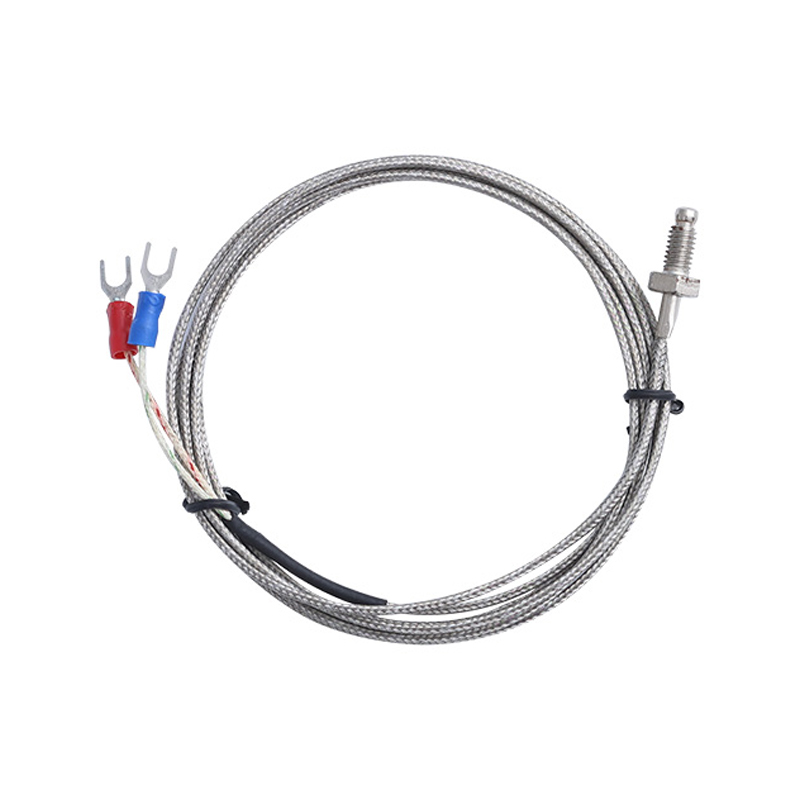
Thermocouples, as widely used temperature sensors in industrial measurement and control systems, are crucial for the reliability and accuracy of production processes. With the advancement of technology and the continuous development of production processes, thermocouples play an irreplaceable role in many industries. The emergence of the Versatile Thermocouple, in particular, not only meets diverse needs but also improves work efficiency and measurement accuracy.
The working principle of a thermocouple is based on the thermoelectric effect, where a voltage difference is generated when two different metal conductors are heated at their junction. The magnitude of this voltage difference is directly proportional to the temperature change; therefore, the precise value of the temperature change can be obtained by measuring this voltage difference. Traditional thermocouples usually consist of two metal wires, and the choice of these metal materials directly affects the performance and applicability of the thermocouple.
Compared to traditional thermocouples, versatile thermocouples have been optimized in structure and function, typically offering higher measurement accuracy, a wider temperature range, and stronger anti-interference capabilities. They can not only provide accurate results in conventional temperature measurements but also meet the needs of special environments, such as high temperature, low temperature, or highly corrosive environments.
Versatile thermocouples typically use high-quality metal materials in their design, giving them higher thermoelectric potential sensitivity and stability. This design improves the accuracy and fast response capability of temperature measurement, especially in environments with large temperature fluctuations, allowing for rapid feedback of changes and ensuring the accuracy of the temperature control system.
Modern versatile thermocouples can cover a wide temperature range from extremely low to extremely high temperatures, enabling accurate measurements in almost all industrial environments. Whether in metallurgy, chemical processing, or aerospace and high-temperature testing, versatile thermocouples can operate stably, meeting the needs of different industries.
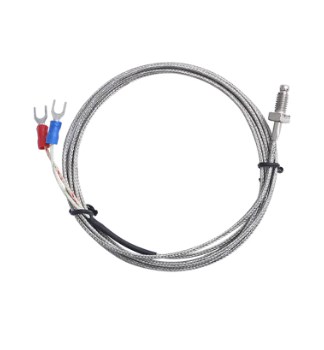
Industrial environments are often accompanied by various challenges such as electromagnetic interference and chemical corrosion. Versatile thermocouples typically employ advanced anti-interference technologies and material processing to effectively isolate external interference and ensure measurement accuracy. Their special structural design allows them to perform excellently even in harsh environments, providing a guarantee for industries requiring long-term operation and high reliability.
Compared to traditional thermocouples, multi-functional thermocouples perform significantly better in terms of service life and durability. Their design takes into account factors such as thermal stress, mechanical vibration, and temperature changes, ensuring that they maintain excellent performance even after prolonged use. Their stability is particularly outstanding in extreme environments such as high temperature and high pressure.
The versatile performance of multi-functional thermocouples allows them to play an important role in various fields. Whether in precise control in high-temperature environments or in scientific experiments at low temperatures, they can provide accurate temperature data, contributing to industrial production and scientific progress.
In high-temperature industries such as steel smelting and glass manufacturing, accurate temperature measurement is crucial. Multi-functional thermocouples, with their wide temperature measurement range and high-temperature resistance, can meet the high standards of temperature measurement required by these industries. Whether it's furnace temperature, melting point control, or the accuracy of temperature monitoring systems, thermocouples provide strong data support.
In chemical production processes, precise control of reaction temperature is fundamental to ensuring product quality and process safety. Multi-functional thermocouples in this field can withstand the challenges of strong acids, strong bases, and toxic and harmful gases, providing stable temperature data. These sensors are not only widely used in equipment such as reactors and distillation columns, but also play a key role in the storage and transportation of chemical reagents.
For researchers, accurate temperature measurement equipment is key to successful experiments. Multi-functional thermocouples, with their high sensitivity and low error characteristics, have become an important tool for temperature measurement in laboratories, especially in precise experiments in physics and materials science, effectively ensuring the reliability of experimental results.
The food and pharmaceutical industries have extremely strict requirements for temperature, especially during cold chain transportation and storage, where temperature changes can lead to a decline in product quality. Multi-functional thermocouples can provide long-term stable temperature control services in these fields, ensuring that the temperature in every link remains within the ideal range.
When selecting a suitable multi-functional thermocouple, the temperature range, physical and chemical properties of the application environment, and the required measurement accuracy should be considered first. Secondly, during installation, attention should be paid to the selection of cables, the layout of sensors, and their compatibility with the measurement system to ensure optimal performance.
In practical applications, the installation of thermocouples often needs to follow certain specifications. For example, in high-temperature environments, the thermocouple junction needs to be protected with high-temperature resistant materials to prevent oxidation or damage caused by high temperatures. In chemical environments, the external material of the sensor may require special anti-corrosion coatings to withstand chemical corrosion.
Compared to traditional thermocouples, multi-functional thermocouples have higher measurement accuracy, a wider temperature measurement range, and stronger anti-interference capabilities. They can also operate stably in high-temperature, high-pressure, and corrosive environments, and are therefore widely used in industries with more stringent temperature control requirements.
To ensure the long-term stability of multi-functional thermocouples, first, select suitable materials and specifications; secondly, regularly calibrate and maintain the thermocouples to prevent performance degradation due to dust accumulation, oxidation, or mechanical damage.
The working environment of multi-functional thermocouples should avoid drastic temperature fluctuations, excessive vibration, and strong chemical corrosion. Environmental conditions should be considered during installation, and appropriate protective measures should be selected to extend their service life.
Different types of thermocouples are suitable for different temperature ranges and environmental conditions. Therefore, when choosing a thermocouple, the selection should be based on actual application needs (such as temperature range, anti-interference ability, etc.) to ensure optimal performance in a specific industry.
As an indispensable temperature measurement tool in modern industry, multi-functional thermocouples, with their superior performance and broad application prospects, are driving many industries towards higher precision and greater reliability. Whether in high-temperature, high-pressure, low-temperature, or chemically corrosive environments, they can provide accurate temperature data for industrial production, helping enterprises achieve more efficient and safer production. Therefore, choosing a suitable multi-functional thermocouple can not only improve production quality but also bring greater economic benefits to enterprises.
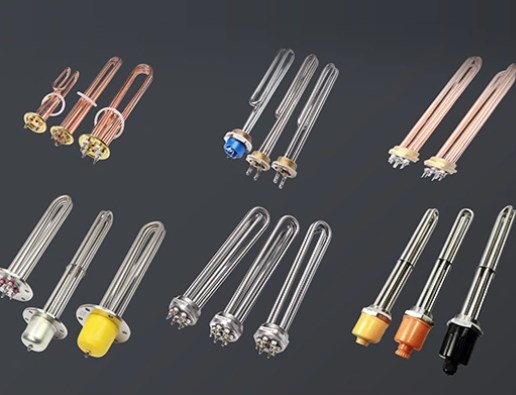
How do Electric Heating Element Achieve High-Efficiency and Energy-Saving Heating?
Dec 08,2025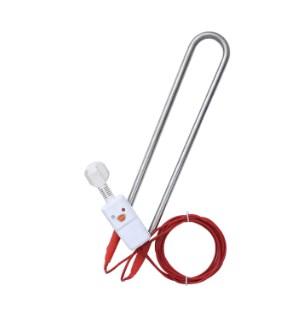
How Can Industrial Immersion Heaters Improve Production Efficiency?
Dec 22,2025Your email address will not be published. Required fields are marked *