

 English
 русский
 عربى
عربى
Product Consultation
Your email address will not be published. Required fields are marked *
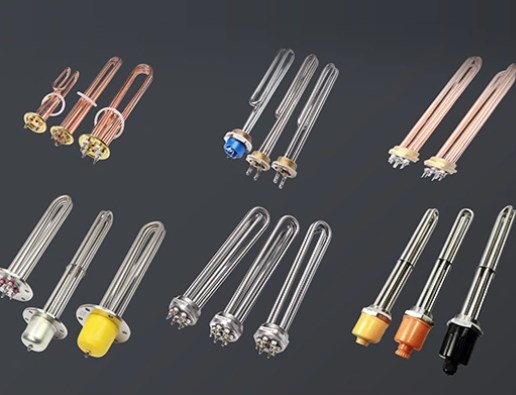
Heating technology plays a crucial role in modern industrial production and daily life. As a core component of heating systems, the Electric Heating Element, with its efficient, reliable, and controllable heating performance, has become an indispensable key to various equipment. Whether in household appliances, laboratory equipment, or large-scale industrial heating systems, electric heating elements play a central role in achieving temperature control, energy conversion, and process optimization.
Electric heating elements are typically made of conductive materials and rely on the Joule heating generated by the passage of electric current to achieve heat energy conversion. Its basic principle is to utilize the resistive properties of a conductor; when current passes through the conductor, electrical energy is converted into heat energy, which is then transferred to the outside world through conduction, convection, and radiation. Modern electric heating elements are more scientifically designed in terms of material selection and structural design, which not only improves heating efficiency but also effectively extends service life.
Common materials include nickel-chromium alloys, stainless steel, and iron-chromium-aluminum alloys. These materials have high resistance, high temperature resistance, and good mechanical strength, enabling electric heating elements to maintain stable operation in high-temperature environments. Through precise material proportioning and optimized processing techniques, modern electric heating elements can provide uniform and continuous heat output under varying power and temperature requirements.
In industrial and domestic applications, the efficiency of electric heating elements directly impacts the energy consumption and economy of the entire system. High-efficiency electric heating elements can rapidly convert electrical energy into heat energy, reducing heat loss while ensuring temperature accuracy. This characteristic makes them particularly outstanding in temperature-sensitive applications.
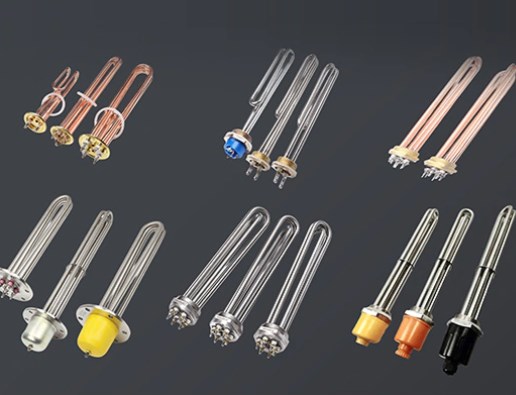
Modern electric heating elements typically employ optimized geometry and surface treatment technologies to improve heat transfer efficiency. Rationally designed spiral, tubular, or plate-like structures not only increase surface area but also optimize heat flow distribution, resulting in more uniform heating. In terms of energy saving, by reducing energy consumption and heat loss, electric heating elements not only save operating costs but also meet the requirements of sustainable development.
Electric heating elements require excellent durability and reliability during long-term use. The use of high-temperature resistant materials and optimized structural design enable the elements to withstand prolonged high-temperature operation without deformation or failure. Furthermore, the application of anti-oxidation and corrosion-resistant coatings can extend the service life of components in special environments.
Safety is another important consideration in the design of electric heating elements. Through precise temperature control technology and automatic protection devices, electric heating elements can automatically adjust or cut off the power supply in abnormal situations such as overheating, overload, or short circuits, thereby ensuring the safety of equipment and users. This safety design not only improves the reliability of the system but also forms a foundation of trust in both home and industrial applications.
Electric heating elements are widely used in multiple industries, and their function is not limited to simple heating but rather to meet diverse process requirements through precise temperature control. In the industrial field, electric heating elements are used in plastic processing, food drying, chemical reactor heating, liquid temperature control, and other processes, providing a stable heat source for production. In experimental and scientific research scenarios, high-precision electric heating elements can meet the stringent temperature control requirements of laboratories. In household and commercial equipment, electric heating elements are widely used in electric water heaters, ovens, heaters, and other devices, providing reliable thermal energy support for daily life.
When selecting electric heating elements, a comprehensive consideration should be given to the usage environment, power requirements, temperature range, and safety performance. Different materials and structures of heating elements are suitable for different scenarios. For applications requiring high temperatures, corrosive environments, or high precision, products with superior performance and stability should be selected. Proper installation and maintenance are also crucial for ensuring the long-term efficient operation of electric heating elements.
Regularly checking the connection status, insulation performance, and surface condition of electric heating elements can effectively prevent overheating, short circuits, and corrosion, extending equipment life. Using a modern temperature control system to rationally adjust power and heating time can also achieve energy saving and consumption reduction.
The lifespan of an electric heating element depends on the material, operating environment, and usage. High-temperature resistant alloys and anti-corrosion coatings can significantly extend service life, while proper temperature control and avoiding overload are also key to extending lifespan.
Yes, but specially designed liquid-immersed elements must be selected to ensure waterproof insulation and uniform heating.
By optimizing the heating structure, increasing surface area, reducing heat loss, and combining it with intelligent temperature control, thermal efficiency and energy saving can be effectively improved.
Under conditions exceeding design temperatures or prolonged high-temperature operation, elements may deform, oxidize, or break. Therefore, it is necessary to select materials suitable for high-temperature environments and use them in conjunction with temperature control devices.
Through in-depth analysis of materials, structure, efficiency, durability, and intelligent control, it can be seen that electric heating elements are not only core components for heat energy conversion but also crucial supports for efficient, safe, and controllable heating systems in modern industry and daily life. Understanding their performance and usage characteristics helps users make optimal decisions during selection, installation, and maintenance, thereby achieving reliable, economical, and durable heating solutions.
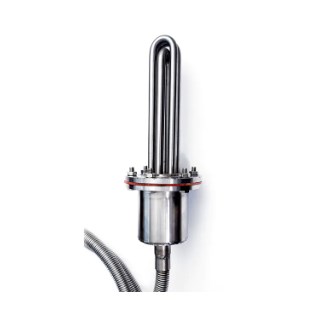
Why is the Immersion Flange Heater more energy-efficient and effective than traditional heaters?
Dec 01,2025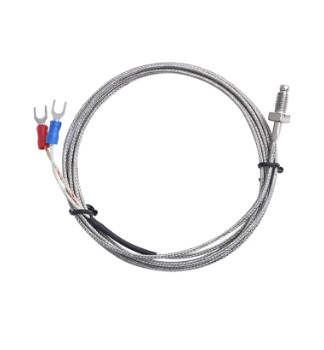
How does the Versatile Thermocouple improve temperature control accuracy and efficiency in industrial production?
Dec 15,2025Your email address will not be published. Required fields are marked *