

 English
 русский
 عربى
عربى
Product Consultation
Your email address will not be published. Required fields are marked *
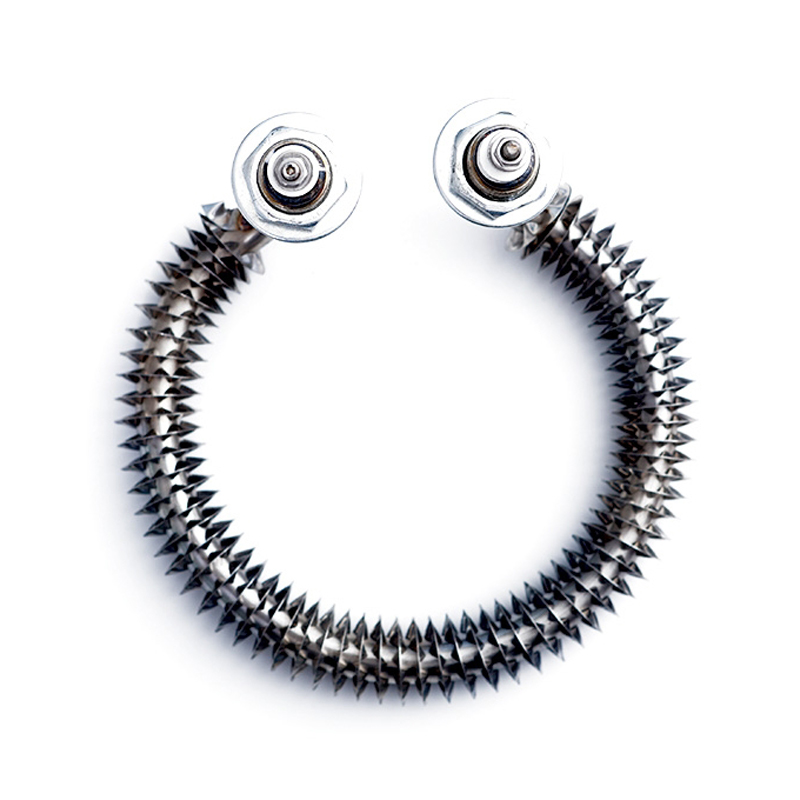
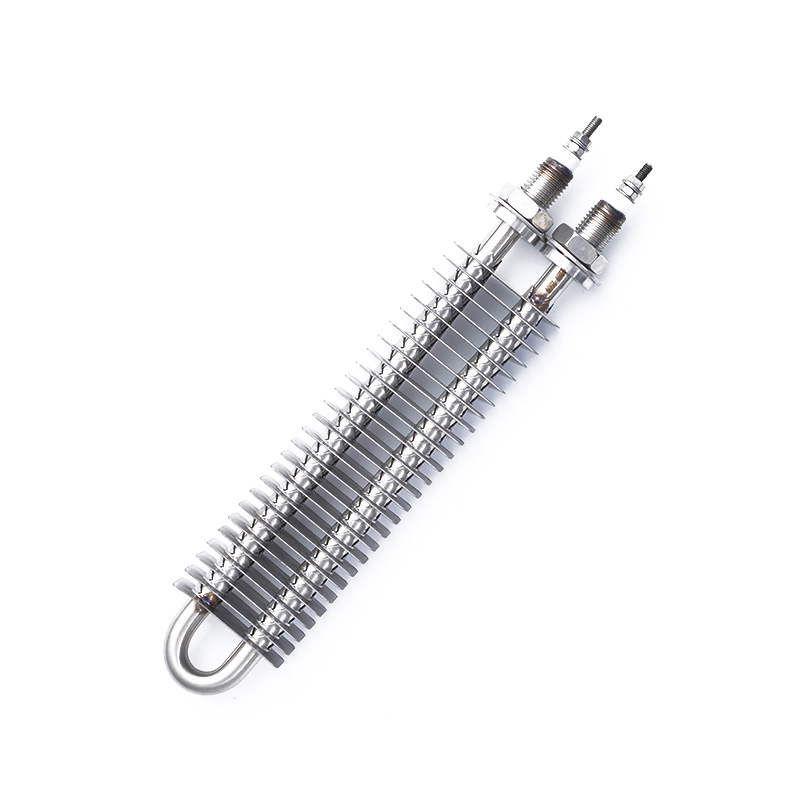
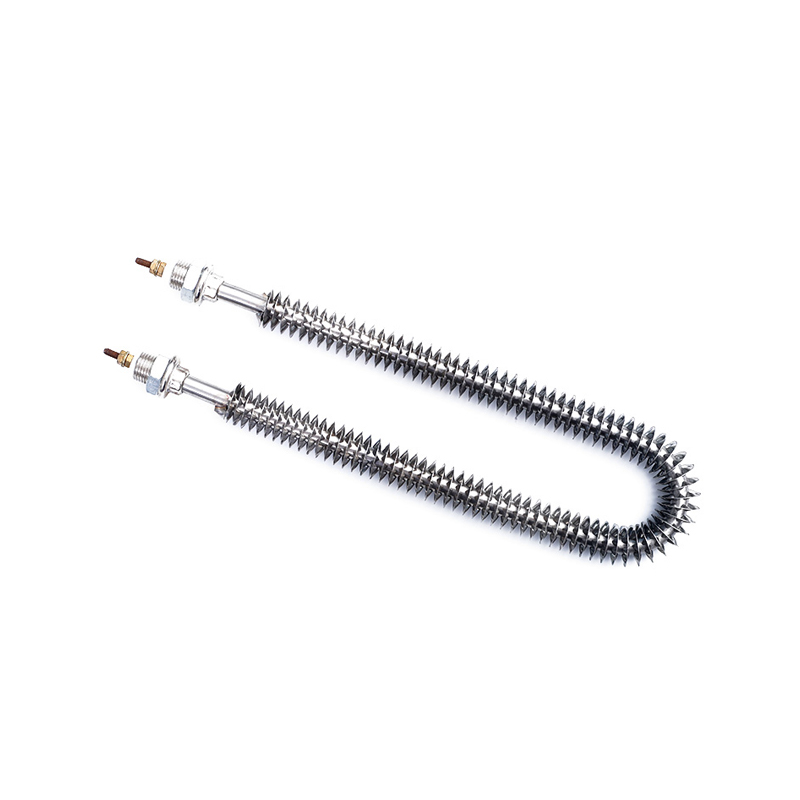
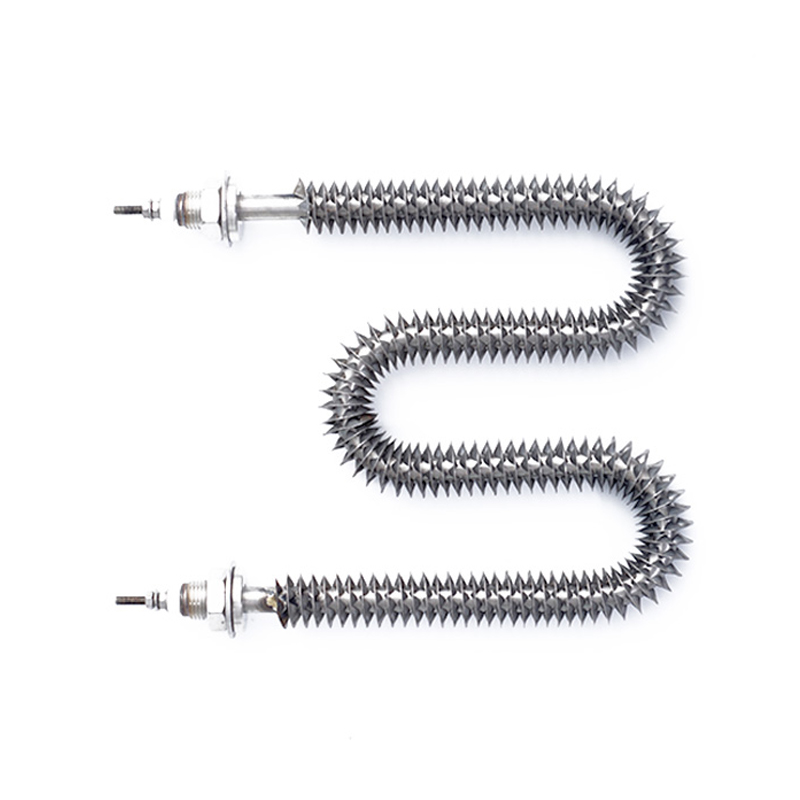
Finned Air Heating Tubes play a critical role in industrial heating systems, HVAC applications, and a variety of other high-performance heating solutions. Understanding the materials used in their construction is essential for ensuring both durability and efficient performance. In this article, we explore the key materials used in Finned Air Heating Tubes and how these materials affect both longevity and performance.
Finned Air Heating Tubes are designed to increase heat transfer efficiency by providing a larger surface area for heat exchange. This is achieved by adding metal fins along the tube's surface. These tubes are widely used in industrial heating systems, HVAC systems, and applications requiring efficient heat transfer in confined spaces. Choosing the right materials for these tubes is crucial to ensure both long-lasting durability and optimal performance.
Material selection plays a vital role in both the durability and performance of Finned Air Heating Tubes. The right material ensures that the tubes perform efficiently under different temperature and environmental conditions while providing a long lifespan. Let’s look at two primary factors:
The materials used for Finned Air Heating Tubes vary depending on the application’s requirements, including temperature range, environmental conditions, and budget. Below, we review the most common materials used, detailing their advantages, disadvantages, and optimal use cases.
To better understand the differences between the materials, we have compiled a comparison table below:
| Material | Advantages | Disadvantages | Best Use Case | Thermal Performance |
|---|---|---|---|---|
| Stainless Steel | High strength, corrosion-resistant, durable at high temperatures | High cost, heavier weight | Industrial and HVAC applications | Excellent |
| Copper | Excellent heat conductivity | Prone to oxidation and corrosion | High-efficiency applications | Exceptional |
| Aluminum | Lightweight, cost-effective | Low strength, corrosion-prone | Light-duty applications | Moderate |
| Titanium | Corrosion-resistant, ideal for extreme environments | Expensive, heavy | Marine, chemical applications | Moderate |
| Nickel Alloys | High strength, extreme temperature resistance | Expensive | High-temperature environments | Moderate |
When selecting the appropriate material for your Finned Air Heating Tubes, it is crucial to evaluate the following factors:
In conclusion, selecting the best materials for Finned Air Heating Tubes requires a careful balance of performance, durability, and cost. Whether you’re designing a system for industrial use or a high-efficiency HVAC system, understanding the properties of materials such as stainless steel, copper, aluminum, titanium, and nickel alloys is critical to making an informed decision. The right material will ensure that your system remains efficient, reliable, and durable for years to come.
The most common materials are stainless steel, copper, aluminum, titanium, and nickel alloys. Each material offers unique benefits depending on the application.
Materials like copper provide excellent heat transfer, while others like titanium offer durability in extreme conditions but have lower thermal conductivity.
Finned Air Heating Tubes can be used in various environments, but choosing the right material is essential for ensuring their performance in harsh conditions like high heat or corrosive environments.
Aluminum is generally the most cost-effective option, offering a balance of performance and price for light-duty applications.
Stainless steel offers excellent corrosion resistance and high strength, making it ideal for industrial applications that involve high temperatures and harsh environments.
What Are the Key Benefits of Using an Immersion Flange Heater in Heat Transfer Systems?
Feb 15,2026
Thermocouple Types Explained: Type K, J, T, E, N, R, S and How to Choose the Right One
Mar 01,2026Your email address will not be published. Required fields are marked *