

 English
 русский
 عربى
عربى

Product Consultation
Your email address will not be published. Required fields are marked *
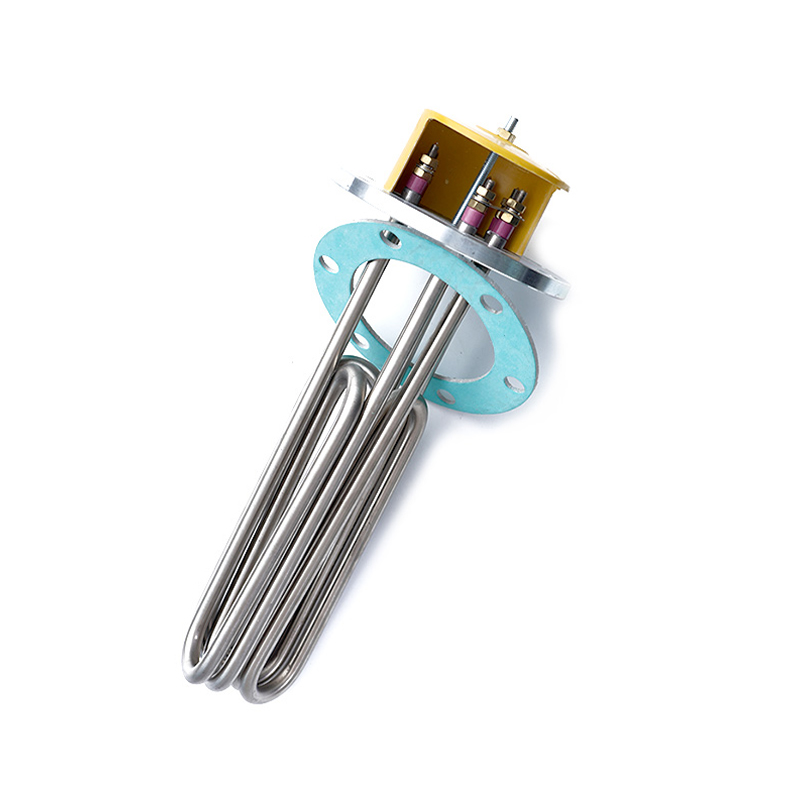
Immersion Flange Heaters have become an essential component in many heat transfer systems, especially in industrial and chemical processes. They offer significant advantages in terms of efficiency, energy savings, and flexibility. This article delves into the key benefits of using an Immersion Flange Heater in heat transfer systems, comparing them with traditional heating methods and providing valuable insights for engineers, procurement specialists, and industrial suppliers.
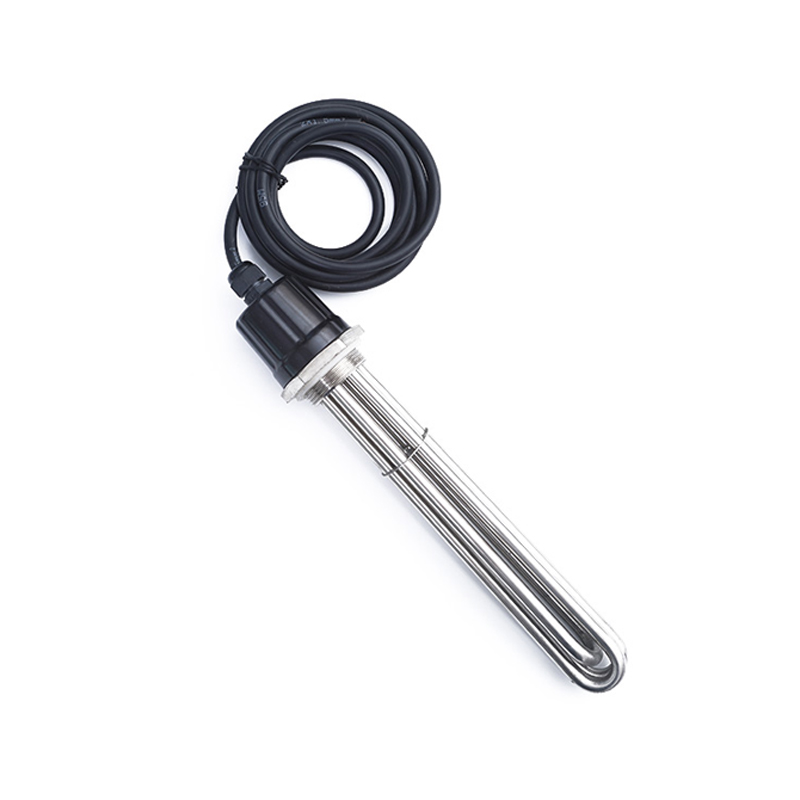
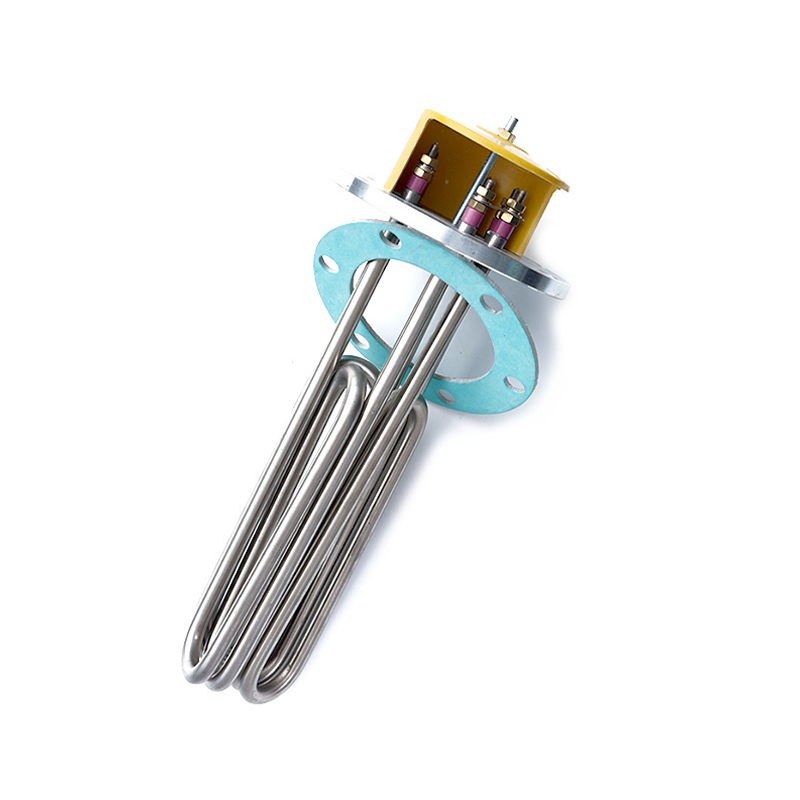
Immersion Flange Heaters are electrical heating elements designed to transfer heat directly to liquids, gases, or other substances in a container. These heaters are attached to the walls of the storage vessel via a flange, providing an efficient heat transfer solution. They are commonly used in various industries, including chemical processing, oil and gas, and food production, among others. Their ability to deliver precise and efficient heating makes them an ideal choice for heat transfer systems.
Immersion Flange Heaters operate by using electrical resistance to heat the element, which in turn heats the fluid or gas in contact with the flange. The heat is transferred through conduction, ensuring that the heat is distributed evenly across the medium. Below is a comparison between immersion flange heaters and traditional heating systems:
| Feature | Immersion Flange Heater | Traditional Heater |
| Efficiency | Higher efficiency, direct heat transfer | Lower efficiency, indirect heat transfer |
| Energy Consumption | Low energy consumption due to effective heat transfer | Higher energy consumption due to inefficient heat loss |
| Installation Complexity | Easy to install, can be fitted directly onto tanks | Can be more complex, may require additional infrastructure |
| Application Flexibility | Can be used in a variety of industrial applications | Limited application flexibility |
One of the primary advantages of Immersion Flange Heaters is their high heat transfer efficiency. Unlike traditional heaters, which rely on convective heat transfer, immersion heaters directly heat the medium in contact with the flange. This results in more efficient heat usage and faster heating times, reducing energy consumption and overall operational costs.
For instance, when comparing the Energy Efficiency of Immersion Flange Heater vs Traditional Heaters, the immersion heater demonstrates superior performance in industrial settings where rapid and efficient heat transfer is crucial. The direct contact between the heating element and the medium ensures minimal heat loss, resulting in a more sustainable heating process.
Another major benefit of using an immersion flange heater is the potential for energy savings. Since the heater directly transfers heat to the liquid or gas, there is minimal energy wastage. In contrast, traditional heaters often lose heat to the environment, requiring more power to maintain the desired temperature.
This energy efficiency translates into significant cost savings over time. For industrial applications, this means lower electricity bills, reduced wear on heating equipment, and less frequent maintenance. The long-term savings make immersion flange heaters a worthwhile investment, especially in industries that require continuous heating.
Immersion Flange Heaters offer excellent flexibility in terms of application. These heaters are designed to work in a wide range of industries and can be customized to suit specific heating needs. Whether it is for Immersion Flange Heater for Chemical Heating Process, oil and gas applications, or Immersion Flange Heater for Oil and Gas Industry, they can be adapted to different types of fluids and gases.
Some common applications include:
Installing an Immersion Flange Heater in Storage Tanks is a relatively simple process that requires proper planning and safety precautions. The heater is usually mounted on the side of the tank, with the flange securely bolted to the vessel. It is crucial to ensure that the heater is properly sized for the tank and that it is positioned correctly for optimal heat transfer.
Proper maintenance is essential to keep the immersion flange heater working efficiently. Regular inspections are needed to ensure there are no signs of wear or damage. Some common issues include:
Addressing these issues promptly can prolong the lifespan of the heater and prevent costly repairs.
As industries continue to push for greater energy efficiency and sustainability, Immersion Flange Heaters are evolving to meet these demands. Innovations in materials, such as the use of advanced alloys and the development of smart heating technologies, are making immersion flange heaters even more efficient and user-friendly.
With growing emphasis on reducing carbon footprints and energy consumption, immersion flange heaters offer a more sustainable alternative to traditional heating methods. Their energy-efficient design helps industries comply with stringent environmental regulations, making them a more eco-friendly option for heat transfer systems.
In summary, Immersion Flange Heaters offer numerous benefits in heat transfer systems, including high efficiency, energy savings, and application flexibility. These heaters are an essential component for industries seeking reliable, cost-effective, and sustainable heating solutions. Whether used in chemical heating processes, oil and gas industries, or storage tank heating, immersion flange heaters provide a robust solution for a variety of applications.
An Immersion Flange Heater is a type of heating element that is mounted on the flange of a storage tank or vessel, used to directly heat liquids or gases in the container through conduction.
Immersion flange heaters offer higher efficiency, direct heat transfer, and lower energy consumption compared to traditional heating systems, which often rely on indirect heat methods.
They provide efficient, reliable heating with minimal heat loss, leading to faster processing times, reduced energy consumption, and lower operational costs.
The installation involves mounting the heater onto the tank's flange, ensuring the correct positioning for optimal heat transfer. Proper sizing and safety precautions are important during installation.
Yes, Immersion Flange Heaters are widely used in the oil and gas industry, particularly for heating high-viscosity liquids and maintaining optimal temperatures in processing equipment.
What Are the Benefits of Using a Heater for Packaging Machinery in Industrial Settings?
Feb 08,2026
What Materials Are Best for Finned Air Heating Tubes to Ensure Durability and Performance?
Feb 22,2026Your email address will not be published. Required fields are marked *