

 English
 русский
 عربى
عربى
Product Consultation
Your email address will not be published. Required fields are marked *
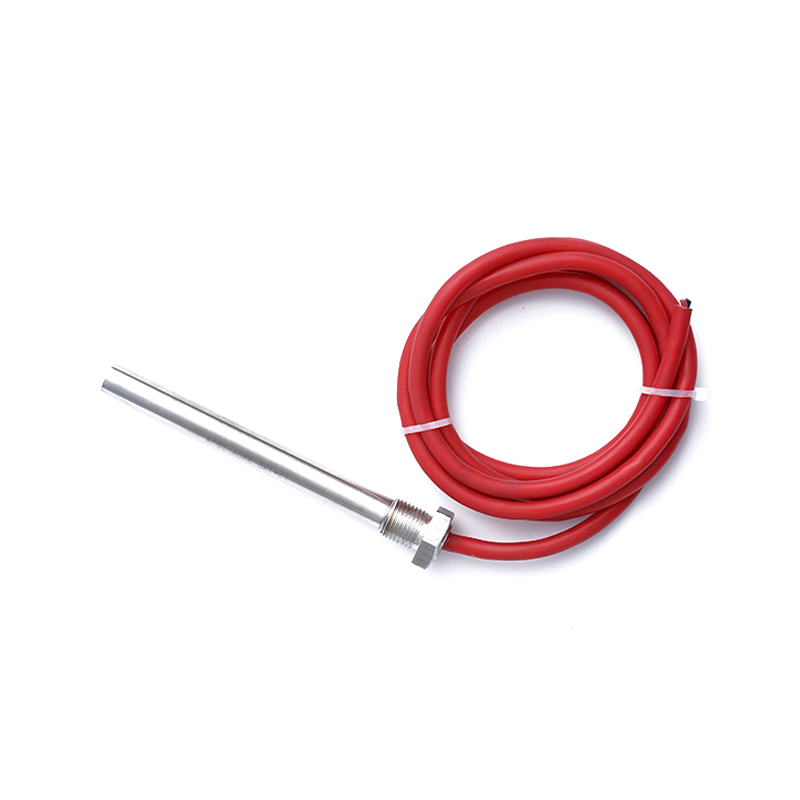
Electric heating elements play a critical role in various heating systems, whether for home appliances, industrial machinery, or outdoor equipment. Choosing the right electric heating element can make a significant difference in energy consumption, cost-efficiency, and long-term performance. This article explores the essential factors to consider when selecting an electric heating element, aiming to help you maximize energy efficiency.
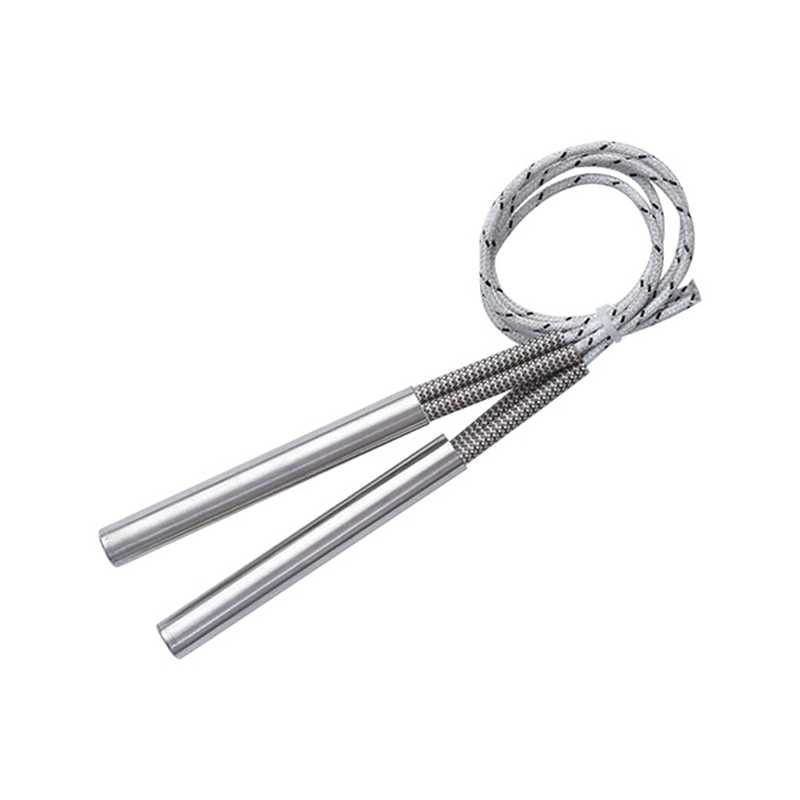
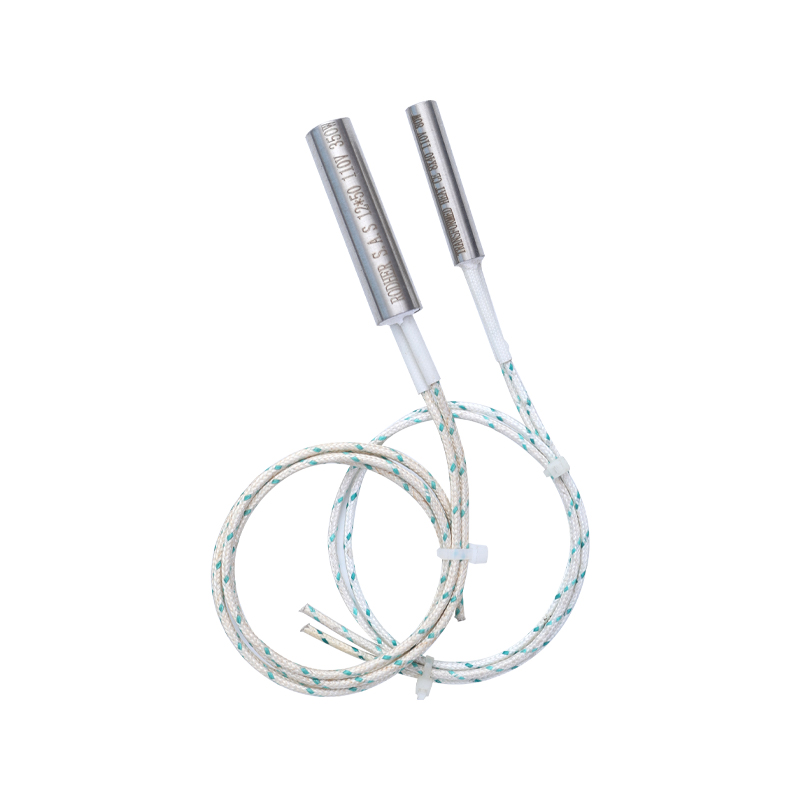
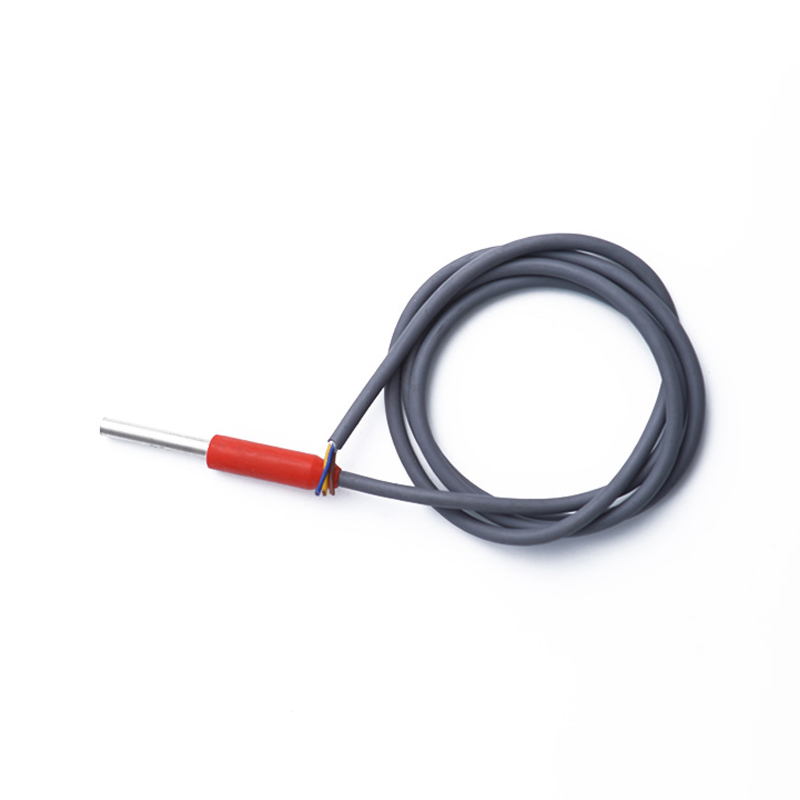
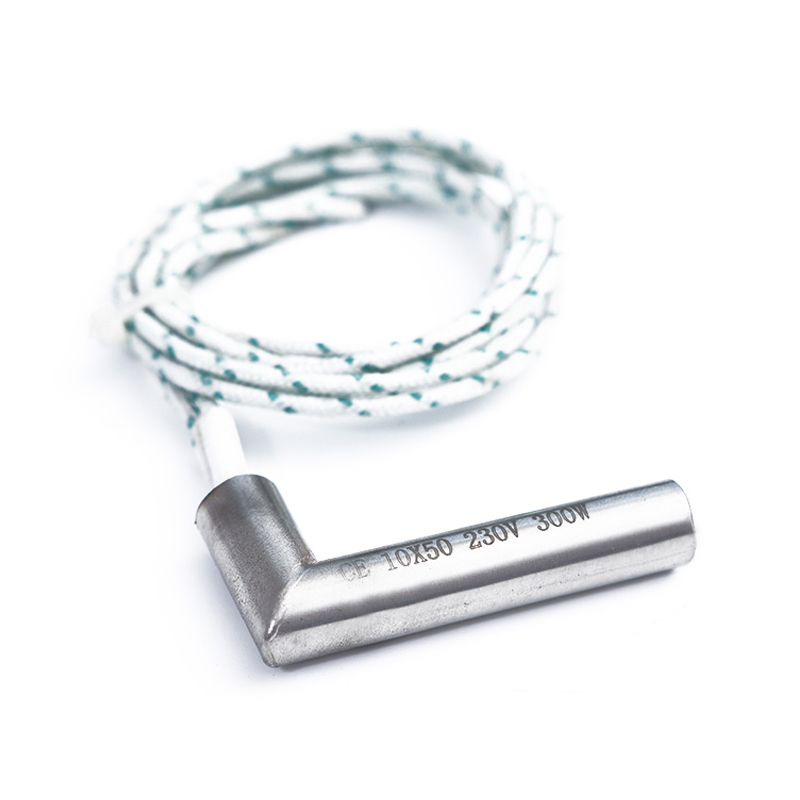
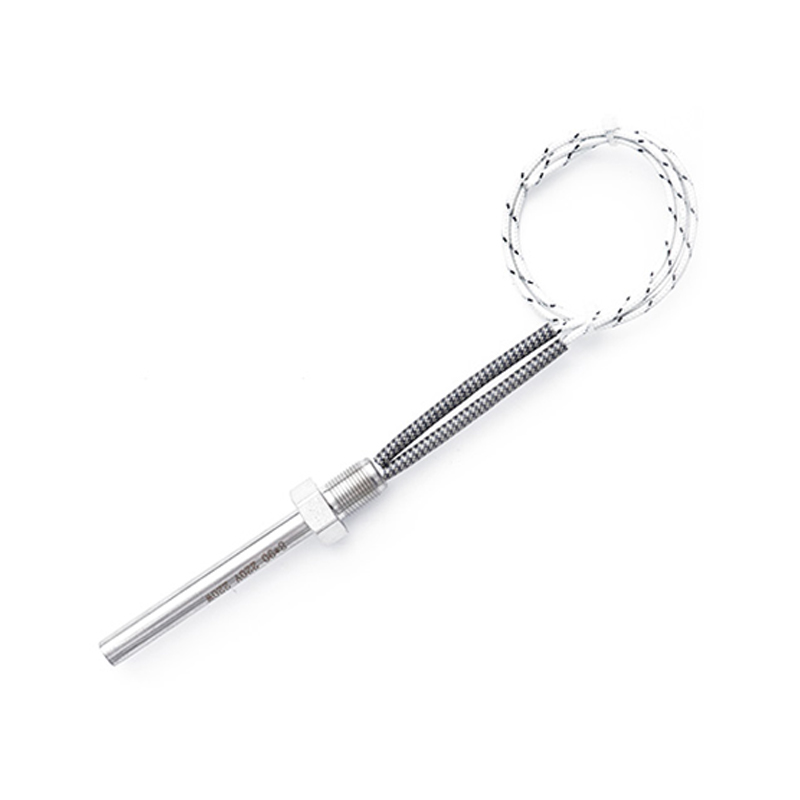
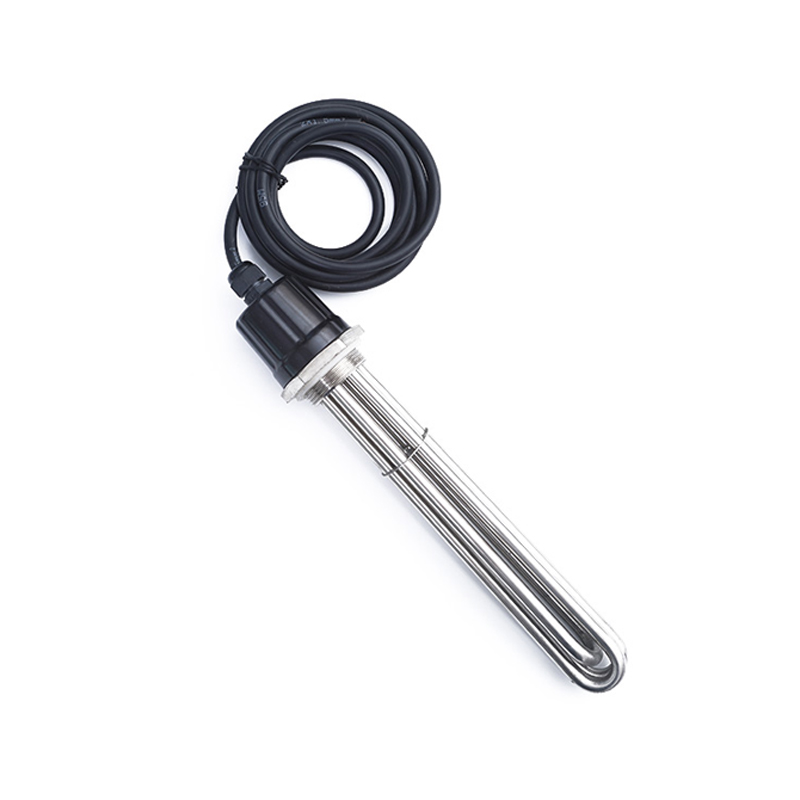
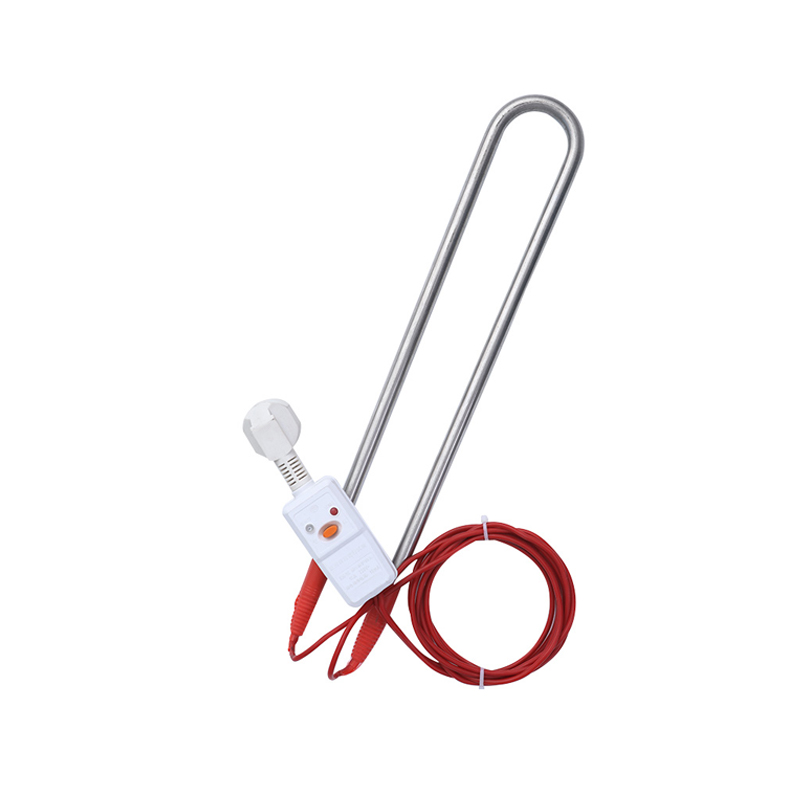
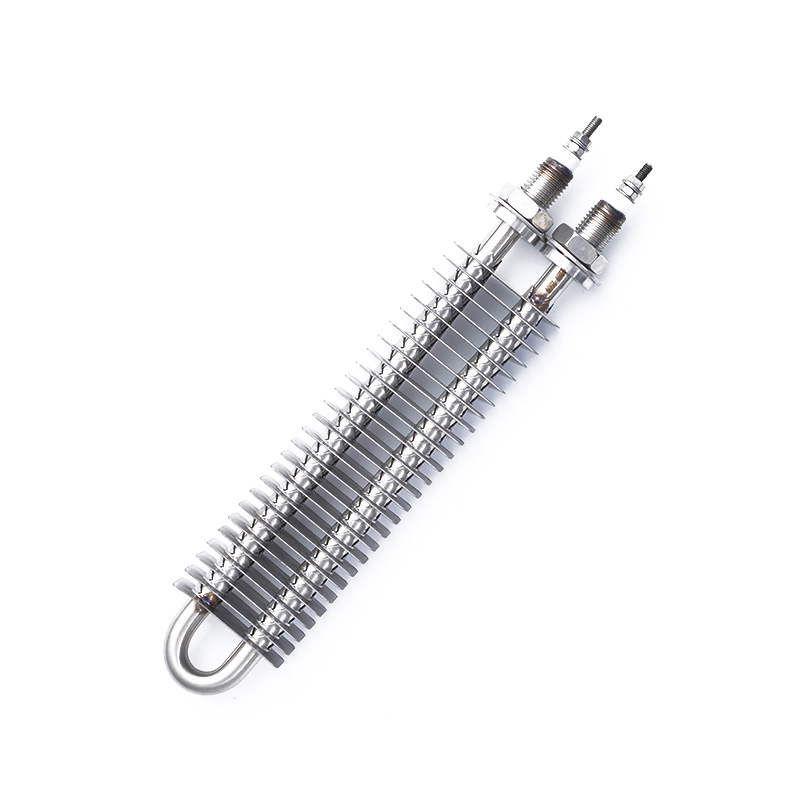
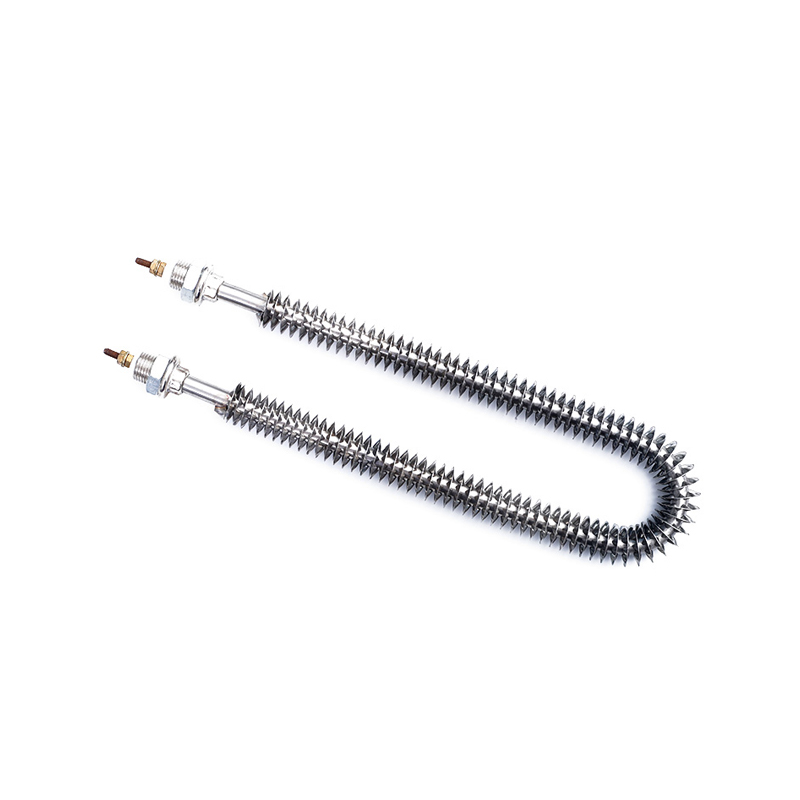
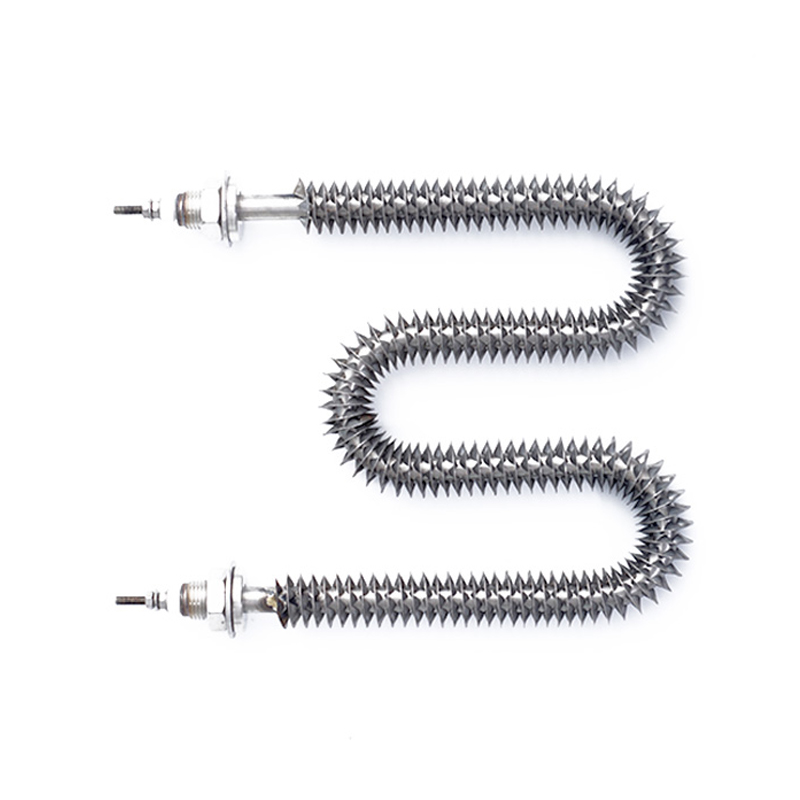
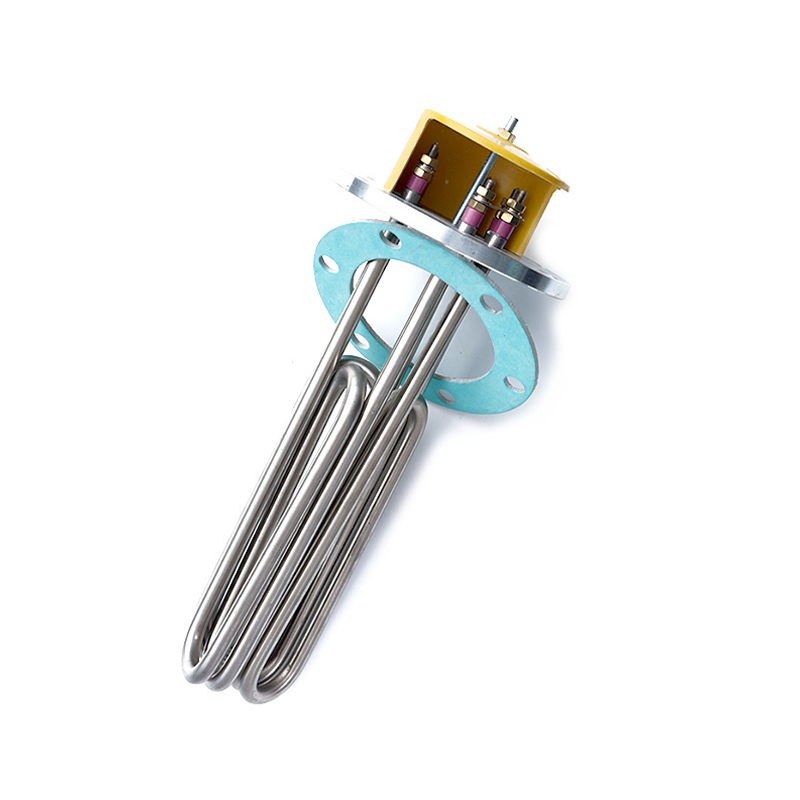
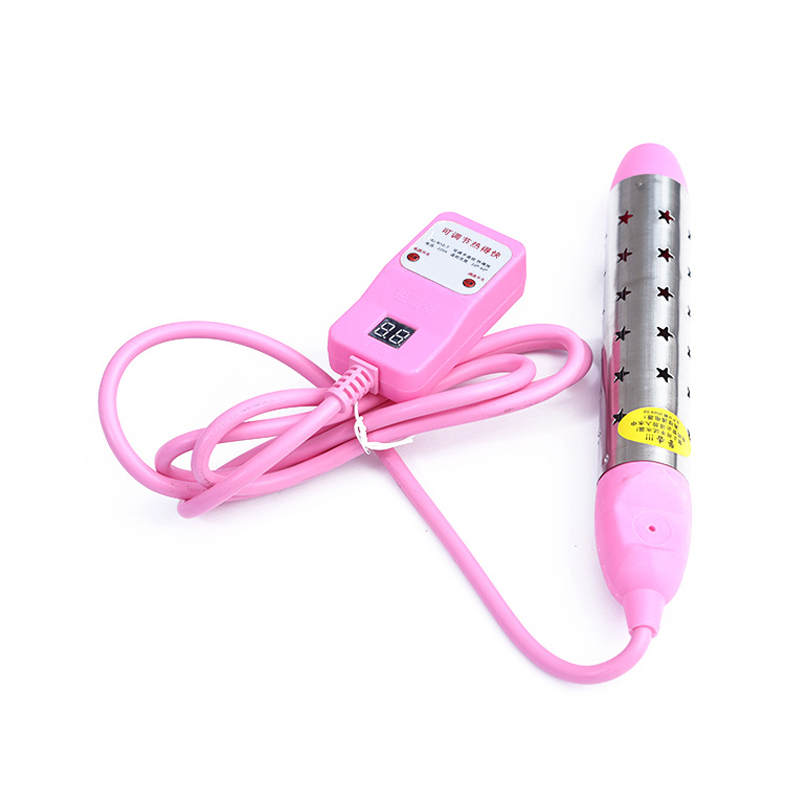
An electric heating element is a component used to convert electrical energy into heat. They are commonly used in various devices such as water heaters, space heaters, ovens, and industrial systems. These elements come in various types, each suitable for specific applications.
When choosing an electric heating element, energy efficiency is one of the most crucial factors to consider. Efficient heating elements help reduce electricity consumption, leading to long-term cost savings. The energy efficiency of an element can depend on several factors, including material, design, and technology used.
| Element Type | Energy Efficiency |
| Resistive Wire | Standard efficiency, suitable for most household applications. |
| Ceramic | Higher efficiency, particularly in high-temperature applications. |
| Metal | Efficient for industrial applications where continuous heat is required. |
| Carbon Fiber | Highly efficient, especially in portable heating devices. |
The durability of the electric heating element directly impacts its overall energy efficiency. A longer lifespan means fewer replacements and less waste, contributing to both cost savings and sustainability. It’s essential to choose heating elements made of materials resistant to corrosion, extreme heat, and wear.
| Element Type | Durability |
| Resistive Wire | Standard durability, suitable for domestic use with regular maintenance. |
| Ceramic | Long-lasting and resistant to heat, ideal for high-temperature environments. |
| Metal | Highly durable and capable of withstanding industrial stress. |
| Carbon Fiber | Very durable with high resistance to wear and tear, particularly in portable applications. |
Depending on the environment in which the heating element will be used, you may need to consider factors such as temperature range, exposure to moisture, or physical stress. Some elements are better suited for industrial use, while others may be ideal for household or outdoor environments.
| Element Type | Adaptability |
| Resistive Wire | Best suited for home appliances and moderate environments. |
| Ceramic | Ideal for high-temperature and controlled environments. |
| Metal | Perfect for industrial systems where high heat is required consistently. |
| Carbon Fiber | Suitable for both residential and outdoor uses due to its portability. |
The electric heating element you choose should efficiently convert electrical energy into heat while distributing the heat evenly. This is especially important in appliances such as space heaters or water heaters, where even heat distribution is critical.
For residential applications, look for electric heating elements for home use that offer a balance between efficiency, durability, and cost. Ceramic and resistive wire elements are ideal for home heating systems like water heaters and space heaters.
In industrial environments, where heating demands are much higher, electric heating elements for industrial heating systems made from metal or ceramic materials are recommended. These elements offer higher durability and are capable of maintaining constant heat output.
To maximize the efficiency of your electric heating system, follow these electric heating element energy efficiency tips: install proper insulation, use a thermostat for temperature control, and clean the heating elements regularly to avoid energy loss.
Proper installation is crucial for ensuring that your heating element performs efficiently. Follow these steps for installing an electric heating element in a water heater: disconnect the power supply, remove the old element, install the new one, and test the system.
If you need a heating element for outdoor applications, such as for heating outdoor patios or small outdoor water heaters, choose an electric heating element for outdoor use that is resistant to moisture and weather conditions. Carbon fiber and metal heating elements are excellent choices for these environments.
Regular maintenance and cleaning of your heating elements helps maintain efficiency and prevent unnecessary energy loss. Dust and debris can accumulate on the elements, reducing their effectiveness.
Implementing a smart temperature control system can enhance the energy efficiency of your heating element by maintaining consistent heat levels. Thermostats and timers ensure that your system operates only when needed, preventing excessive energy use.
When possible, choose heating elements that are energy-efficient and certified. These products meet rigorous standards for performance and energy consumption, helping you reduce your environmental impact while saving on electricity bills.
In conclusion, choosing the right electric heating element is essential for improving energy efficiency and reducing operational costs. By considering factors such as energy efficiency, durability, adaptability, and heat distribution, you can select the most suitable heating element for your needs. Whether it's for home use, industrial systems, or outdoor applications, some options offer both high performance and energy savings.
Look for products with energy-efficient certifications and check the manufacturer’s specifications for heat output vs. power consumption.
The lifespan of an electric heating element depends on the material and usage conditions, but most can last between 5 and 15 years with proper maintenance.
Yes, but ensure you follow all safety procedures, including disconnecting the power supply and testing the system after installation.
Carbon fiber and metal heating elements are highly suitable for outdoor use due to their durability and resistance to weather conditions.
Regular maintenance, using smart temperature control, and selecting high-efficiency models are the best ways to maximize energy savings.
Hot Runner Coil Heaters: Working Principles and Design Considerations
Jan 22,2026
What Are the Benefits of Using a Heater for Packaging Machinery in Industrial Settings?
Feb 08,2026Your email address will not be published. Required fields are marked *