

 English
 русский
 عربى
عربى
Product Consultation
Your email address will not be published. Required fields are marked *
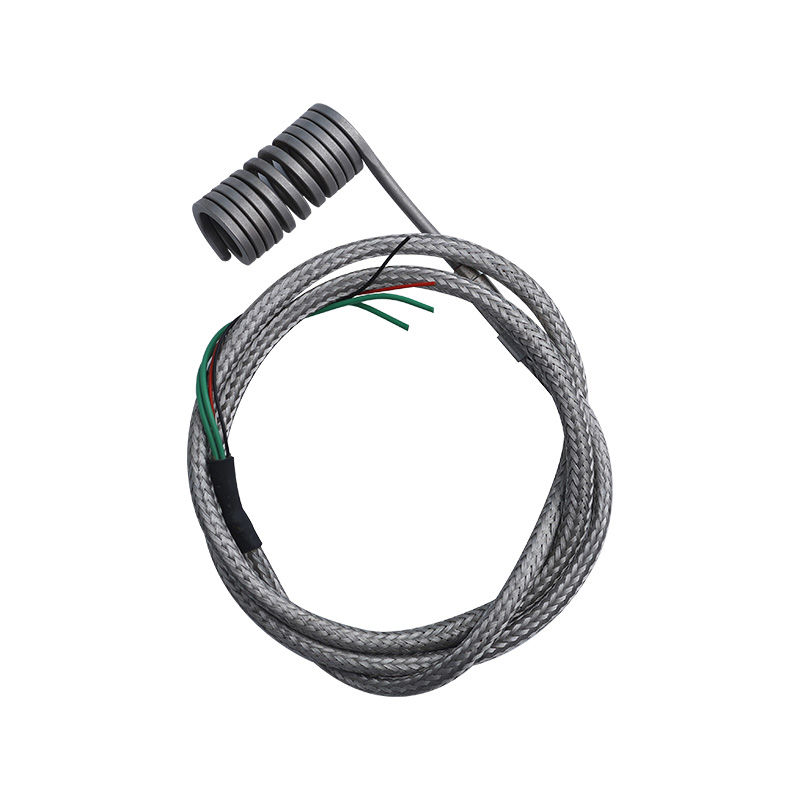
In modern plastic injection molding and manufacturing processes, the emergence of hot runner systems has brought about significant efficiency improvements to the industry. As a critical component of the hot runner system, the Hot Runner Coil Heater plays a vital role. It not only affects the system's thermal management performance but also directly impacts the quality and production efficiency of the molded products.
As the core heating unit of the hot runner system, the Hot Runner Coil Heater ensures uniform melt flow during the injection molding process by heating the plastic to its molten state and reducing temperature fluctuations. Its main function is to convert electrical energy into thermal energy by heating a metal wire (usually tungsten or stainless steel wire), thereby maintaining a stable temperature in the mold's runners. Temperature stability is one of the key factors in ensuring injection molding quality, as excessively high or low temperatures can lead to uneven plastic flow, product defects, or prolonged molding cycles.
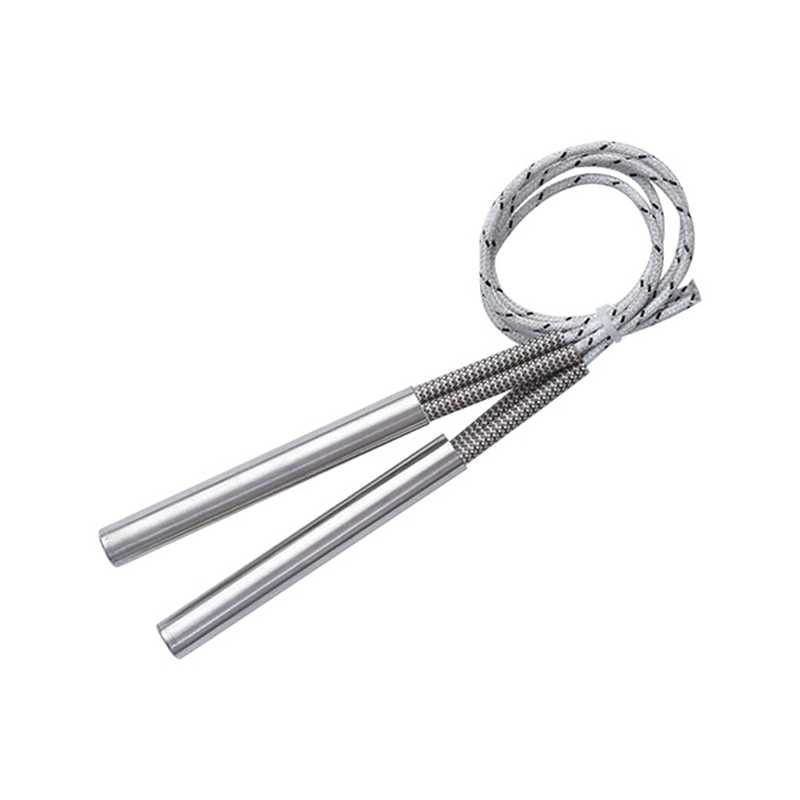
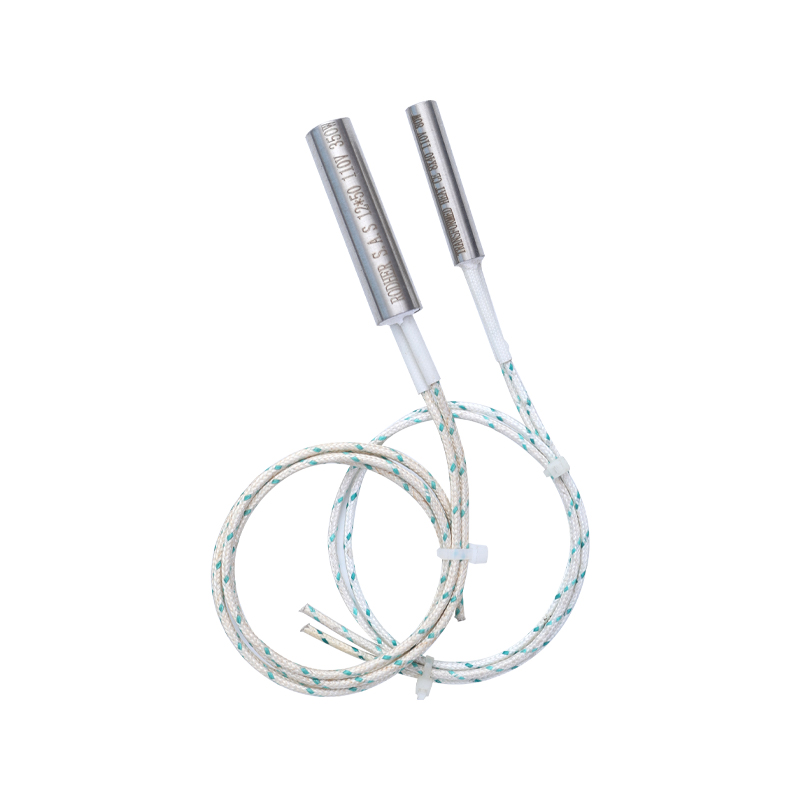
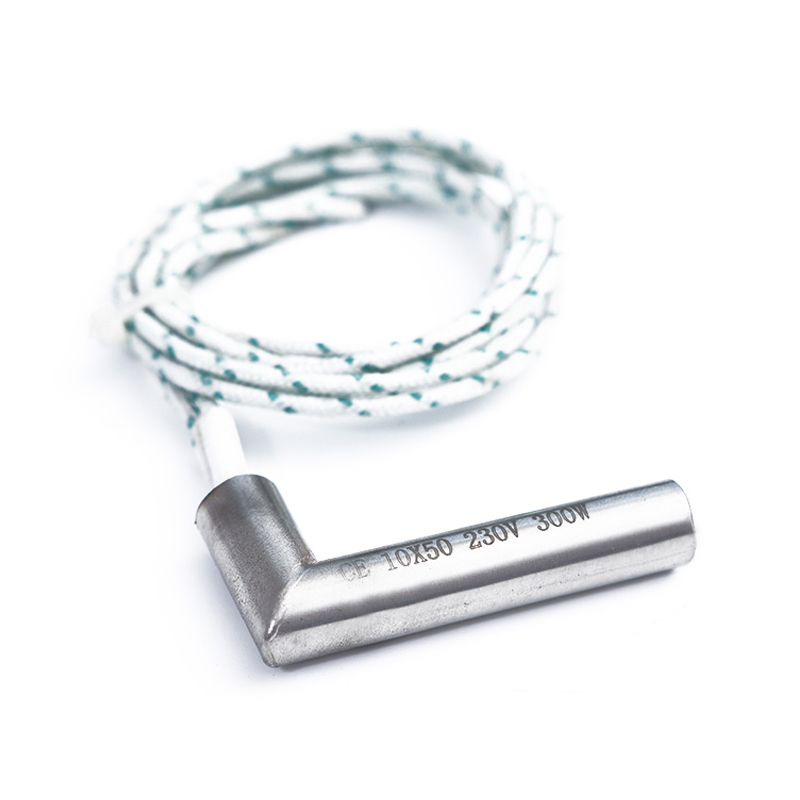
Hot runner heating coils are typically designed as thin, elongated heating elements, insulated by a material that surrounds the runner, ensuring that heat is precisely transferred to every critical area of the injection mold. This heating method is very precise and effectively avoids the uneven heat distribution problems common in traditional heating methods.
The design and material selection of hot runner heating coils determine their heating performance and service life. The heating coil needs to possess excellent heat resistance and corrosion resistance to withstand high-temperature and high-pressure working environments. Common heating element materials include stainless steel and tungsten alloys, which have excellent thermal conductivity and high-temperature resistance.
The resistance of the hot runner heating coil should be uniform to ensure even heat distribution during heating, avoiding localized overheating or underheating. In addition, the elasticity and flexibility of the material are also factors to consider in the design, as the heating coil needs to be customized according to the mold shape. Materials that are too hard or too brittle may lead to installation difficulties or damage during long-term use.
In modern manufacturing, energy saving and environmental protection have become important directions for industry development. Hot runner heating coils, due to their high heating precision and rapid response, can significantly improve energy efficiency in the production process. Through precise temperature control and intelligent heating design, hot runner heating coils effectively reduce energy waste and minimize the environmental impact of the production process.
Compared to traditional injection molding heating methods, hot runner heating coils utilize concentrated heating technology, resulting in more efficient heating and significantly improved heat utilization. This means that, under the same production conditions, production lines using hot runner heating coils can produce high-quality injection molded products more quickly and stably.
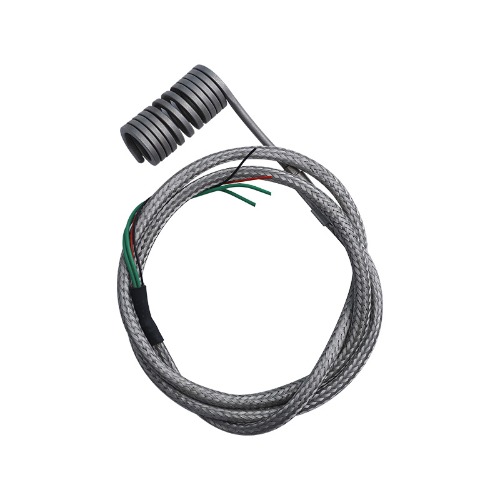
As plastic products evolve towards higher precision and more complex shapes, hot runner heating coils are becoming increasingly widely used in precision injection molding, medical devices, automotive parts, and consumer electronics. These fields have extremely high requirements for product appearance and functionality; any temperature fluctuation or uneven melt distribution can lead to production failure or reduced product quality.
Therefore, the precise heating capability of hot runner heating coils has become an indispensable part of the production of these high-end products. Especially in the processing of polymer materials, maintaining a constant temperature is a key factor in ensuring material performance and molding accuracy. Hot runner heating coils can provide a stable heating environment for these complex and delicate products, thus achieving high-quality injection molding.
Although hot runner heating coils have a long service life, proper maintenance and upkeep are essential to ensure their long-term stable operation. Regularly inspect the external condition of the heating coils, clean any accumulated dirt and impurities to avoid affecting heat transfer efficiency. In addition, it is necessary to monitor changes in the resistance value of the heating coils and replace heating coils with significant resistance changes in a timely manner to prevent reduced performance from affecting production efficiency.
At the same time, the working environment of the hot runner heating coils also has a significant impact on their lifespan. When used in harsh environments such as high temperature, high pressure, and high humidity, it is necessary to strengthen the protection of the heating coils to avoid interference from external factors and extend their service life.
The service life of hot runner heating coils depends on several factors, including heating power, operating temperature, and usage frequency. Generally, high-quality heating coils can last for several years under normal operating conditions. However, prolonged overuse or harsh environmental conditions will shorten the service life.
Hot runner heating coils are equipped with a high-precision temperature control system that monitors temperature changes in real time and adjusts the heating power to ensure temperature stability. The precise adjustment of the temperature control system effectively prevents overheating or undercooling, ensuring the fluidity of the plastic melt and the accuracy of molding.
Choosing the right hot runner heating coil requires considering the mold design, heating requirements, and material characteristics. It is recommended to consider actual production conditions when making a selection, choosing heating coils with good thermal conductivity, corrosion resistance, and high-temperature resistance to ensure long-term stable operation in high-temperature environments.
Yes, hot runner heating coils need to be inspected regularly and replaced according to usage. Especially if there are significant changes in resistance, uneven heating, or decreased heating efficiency, they should be replaced promptly to avoid affecting production efficiency and product quality.
The installation of hot runner heating coils is usually performed by professional technicians who have a certain understanding of mold structure, heating requirements, and electrical connections. During installation, special attention should be paid to the contact surface between the heating coil and the mold to ensure uniform heat transfer.
What Are the Significant Advantages of Finned Air Heating Tubes Compared to Traditional Heating Tubes?
Jan 15,2026
How to Choose the Right Electric Heating Element to Improve Energy Efficiency?
Feb 01,2026Your email address will not be published. Required fields are marked *