

 English
 русский
 عربى
عربى

Product Consultation
Your email address will not be published. Required fields are marked *

Infrared heater elements represent a highly efficient, targeted, and health-conscious heating solution that outperforms traditional convection systems by directly warming objects and people rather than the surrounding air. By converting electricity into radiant heat, these elements minimize energy waste, provide immediate warmth, and reduce the circulation of dust and allergens. Whether used in industrial settings, commercial patios, or residential rooms, infrared technology offers a versatile and cost-effective approach to thermal management.
Understanding the core mechanism of infrared heater elements is essential for appreciating their efficiency. Unlike traditional heaters that rely on convection to warm the air, infrared heaters function similarly to the sun. They emit electromagnetic radiation that travels through the air until it strikes a solid object, such as a wall, floor, or a person. Upon impact, the energy is absorbed and converted into heat. This process ensures that heat is delivered exactly where it is needed, rather than being lost to drafts or rising to the ceiling.
This direct transfer of energy results in several distinct advantages. First, the heating effect is virtually instantaneous; as soon as the element is powered, radiant heat is emitted. Second, because the air is not the primary medium for heat transfer, the temperature differential between the floor and ceiling is significantly reduced. This creates a more uniform comfort level and eliminates the stuffy feeling often associated with forced-air systems. Furthermore, because infrared waves do not heat the air directly, opening a door or window does not immediately dissipate the accumulated warmth in the room, allowing for better heat retention in high-traffic areas.
While the underlying principle remains the same, the materials used to generate infrared radiation vary, each offering unique characteristics suited for different environments. Selecting the correct type of element is crucial for maximizing performance and longevity.
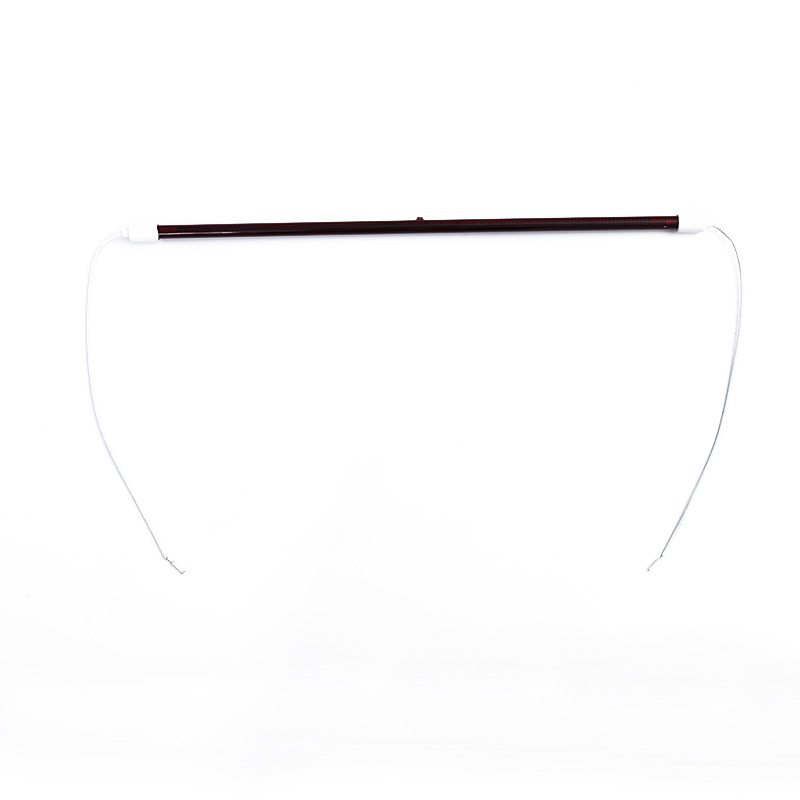
Quartz elements are renowned for their rapid response times. Typically consisting of a tungsten filament enclosed in a quartz tube, these heaters can reach operating temperature within seconds. This makes them ideal for applications where immediate heat is required, such as in bathrooms or spot-heating industrial workstations. The intensity of the heat is high, making them effective for focused zones. However, they are often more susceptible to thermal shock if exposed to cold liquids or sudden drafts while hot.
Ceramic elements are constructed from high-temperature-resistant ceramic materials with an embedded resistance coil. These emitters are known for their durability and long operational life. Unlike quartz, ceramic elements have a higher thermal mass, meaning they take slightly longer to heat up but also retain heat longer, providing a more stable and consistent output even after being switched off. They are excellent for total room heating and are often used in saunas, therapeutic heaters, and large-space heating where a gentler, far-infrared warmth is preferred.
Carbon fiber technology represents a more modern advancement in infrared heating. These elements utilize a carbon fiber ribbon or sheet as the emitting surface. They are highly efficient, converting a large percentage of input energy into infrared output. Carbon fiber heaters typically produce a far-infrared wavelength that is considered particularly comfortable for the human body. They are lightweight, flexible in design, and often operate at lower surface temperatures than quartz or ceramic, enhancing safety while maintaining effective heating performance.
The energy efficiency of an infrared heater element is a major selling point. Because they transfer heat directly to objects without the intermediary of air, the energy loss is minimal. In large, open, or draughty spaces—such as warehouses, churches, or outdoor patios—convection heaters often fail because the heated air simply escapes. Infrared heaters, however, can keep people warm even in an otherwise cold environment.
To better understand the operational differences, consider the following comparison between traditional convection heating and radiant infrared heating:
| Feature | Convection Heating | Infrared Heating |
|---|---|---|
| Heating Medium | Air | Objects & People |
| Heat Time | Slow | Instant to Fast |
| Heat Loss Due to Drafts | High | Low |
| Temperature Stratification | Significant (Hot ceiling, cold floor) | Minimal |
As illustrated in the table above, the direct nature of infrared heating virtually eliminates the stratification of heat. In a standard convection system, hot air rises and collects near the ceiling, leaving the lower occupied zone cooler. Infrared systems project the heat downward and outward, ensuring that the floor and occupants remain warm. This characteristic allows users to lower the ambient thermostat setting without sacrificing comfort, leading to significant reductions in energy consumption.
Beyond mere thermal performance, infrared heater elements offer tangible benefits for indoor air quality and personal health. Because these systems do not rely on blowing air to distribute heat, they do not circulate dust, pollen, pet dander, or other allergens throughout the room. This is a critical advantage for individuals suffering from asthma, allergies, or other respiratory sensitivities. The air remains still and clean, avoiding the dryness and irritation often caused by forced-air systems.
Traditional heating systems often strip moisture from the air as they heat it, leading to dry skin, irritated eyes, and static electricity. Infrared heaters, by contrast, do not reduce the humidity levels of the air. This helps maintain a more comfortable and healthy indoor environment, preserving the natural moisture balance of the mucous membranes and skin.
The absence of fans or blowers means that infrared heaters operate in near silence. This creates a peaceful environment, making them ideal for bedrooms, libraries, meditation spaces, and open-plan offices where noise pollution is a concern. The lack of moving parts also generally translates to lower maintenance requirements and a longer lifespan for the heating unit.
The versatility of infrared heater elements allows them to be deployed in a wide array of scenarios. From residential comfort to industrial processes, the applications are vast.
Proper installation is key to maximizing the efficiency of an infrared heater. The element should be positioned to ensure a clear path for the infrared waves to reach the target area. Obstructions such as shelves or hanging lights can block the radiant energy and cast "cool shadows." Mounting height is also a critical factor; mounting the heater too high may disperse the heat too widely, reducing its intensity at the floor level, while mounting it too low may create hot spots or safety hazards. It is generally recommended to angle the heater slightly downward to optimize the coverage area.
One of the most compelling arguments for switching to infrared heating is the low maintenance requirement. Without filters to change, motors to lubricate, or belts to replace, an infrared heater element is remarkably self-sufficient. The primary maintenance task involves keeping the emitter surface clean and free of dust or grease, which can impede the radiation output over time. A simple wipe down with a soft cloth during the off-season is usually sufficient to maintain peak efficiency.
The lifespan of the element itself depends on the type and usage. Ceramic elements are particularly robust, often lasting for many years of continuous operation due to the lack of fragile glass components. Quartz tubes, while slightly more fragile, are also designed for long service life and are often replaceable, extending the life of the heater unit indefinitely. By investing in a quality infrared element, users secure a reliable heating solution that stands the test of time with minimal upkeep.
To encapsulate the benefits discussed, the following list highlights why infrared heater elements are a superior choice for modern heating needs:
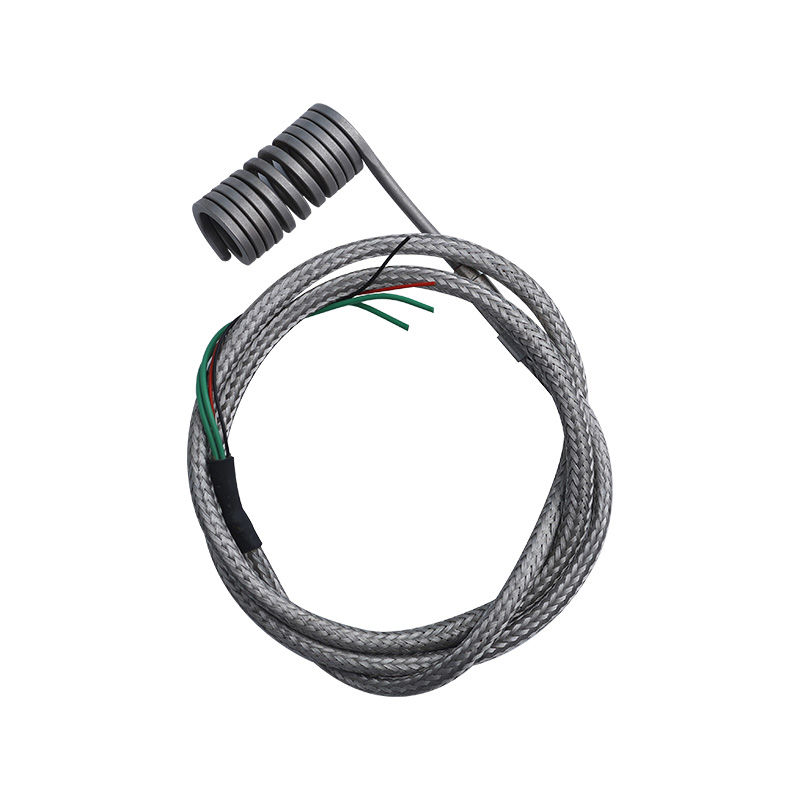
How do hot runner coil heaters improve energy efficiency and product quality?
Jul 08,2026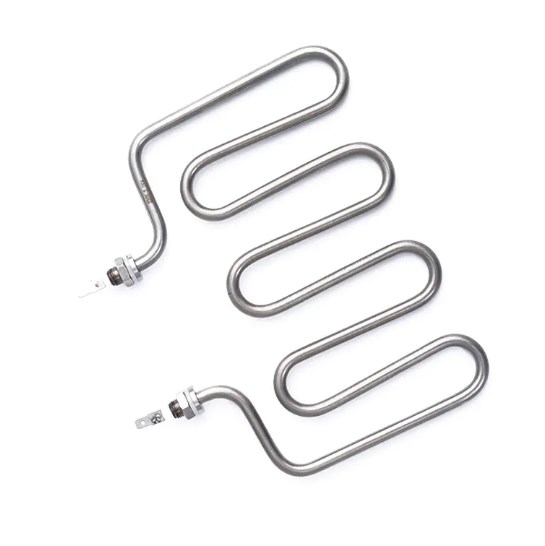
How do I choose the right heating element for corrosive environments?
Jul 22,2026Your email address will not be published. Required fields are marked *