

 English
 русский
 عربى
عربى


Product Consultation
Your email address will not be published. Required fields are marked *
Immersion flange heaters represent one of the most efficient and reliable solutions for heating liquids in industrial applications. These devices directly transfer thermal energy into the target fluid, achieving energy efficiency rates that often exceed 90 percent. Their flange-mounted design ensures secure installation, easy maintenance access, and consistent performance across a wide range of operating conditions. For industries requiring precise temperature control, rapid heating capabilities, and long-term operational reliability, immersion flange heaters deliver measurable advantages over alternative heating methods.
The decision to implement an immersion flange heater system should be based on careful consideration of fluid characteristics, power requirements, installation constraints, and maintenance protocols. When properly selected and installed, these heating systems provide years of dependable service with minimal downtime and operational costs that are significantly lower than indirect heating alternatives.
Immersion flange heaters operate on a straightforward principle: electrical energy converts to heat through resistive elements, and this heat transfers directly to the surrounding liquid. The flange component serves as both the mounting mechanism and the primary seal between the heater assembly and the tank or vessel containing the fluid. This direct-contact approach eliminates the energy losses associated with external heating methods.
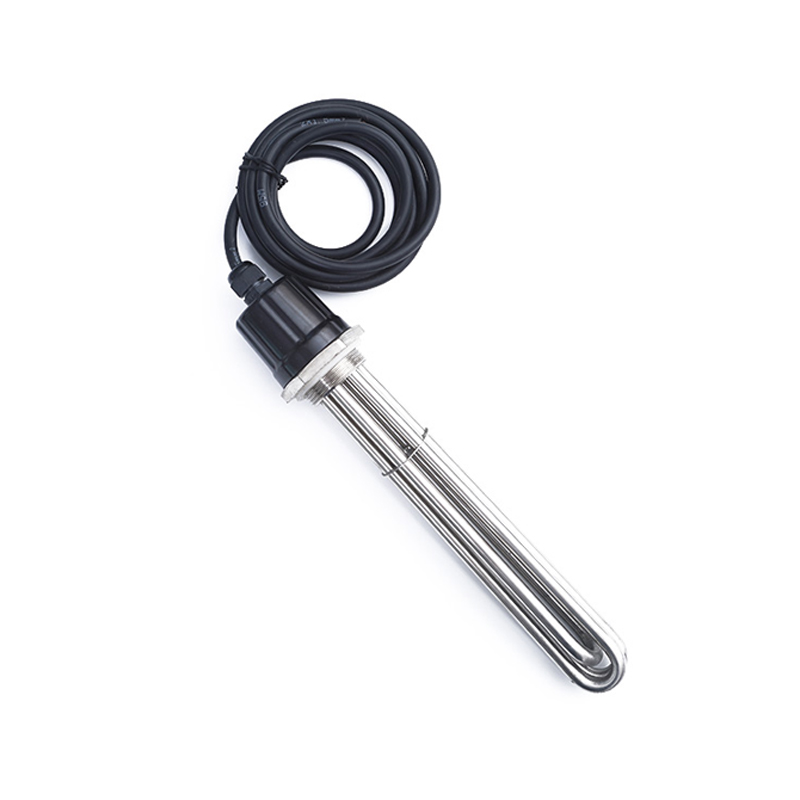
The core components include the heating element bundle, the flange plate, thermostat or temperature sensor connections, and various safety devices. Heating elements typically consist of tubular metal sheaths containing resistance wire surrounded by compressed magnesium oxide insulation. The sheath material selection depends on the specific application, with common options including stainless steel, copper, Incoloy, and titanium alloys.
The arrangement of heating elements within the bundle significantly impacts performance. Designers consider factors such as watt density, which represents the power output per unit of surface area. Lower watt density configurations reduce the risk of fluid degradation and element overheating, particularly important when heating sensitive materials or viscous fluids.
Immersion flange heaters find application across virtually every sector that requires heating of liquids, semi-solids, or gases under controlled conditions. Their versatility stems from the ability to customize materials, power outputs, and physical configurations to match specific process requirements.
Industrial water heating represents one of the largest application categories. These heaters serve in boiler systems, hot water storage tanks, process water heating, and domestic hot water supply for large facilities. In boiler applications, immersion flange heaters provide supplementary heating or serve as the primary heat source for electric steam generators. The direct immersion approach ensures rapid heat transfer and responsive temperature control.
Heating viscous oils and petroleum products requires careful attention to watt density and sheath material selection. Heavy fuel oils, lubricating oils, and bitumen require elevated temperatures to reduce viscosity for pumping and processing. Immersion heaters designed for these applications typically feature lower watt density elements to prevent coking or carbonization of the fluid at the element surface. Properly designed oil heating systems maintain element surface temperatures below the degradation threshold of the specific fluid being heated.
The chemical industry relies on immersion heaters for heating corrosive fluids, reaction vessels, and storage tanks. Material selection becomes critical in these applications. Titanium sheathed elements resist corrosion from chlorides and other aggressive chemicals. Fluoropolymer coatings provide additional protection in highly corrosive environments. Process engineers must consider not only the bulk fluid properties but also potential localized concentration effects at the heating element surface.
| Application | Recommended Sheath Material | Typical Watt Density |
|---|---|---|
| Clean Water | Copper or Stainless Steel | High |
| Fuel Oils | Steel or Incoloy | Low to Medium |
| Corrosive Chemicals | Titanium or Hastelloy | Low |
| Food Grade Liquids | Stainless Steel 316 | Medium |
Selecting the appropriate immersion flange heater requires systematic evaluation of multiple factors. Incorrect sizing leads to either insufficient heating capacity or excessive energy consumption and premature equipment failure. Engineers must consider both the thermal requirements and the chemical compatibility of all wetted components.
Determining the required kilowatt rating involves calculating the heat energy needed to raise the fluid temperature within the desired timeframe. The calculation accounts for the mass of fluid, specific heat capacity, temperature differential, and heating time. Additional considerations include heat losses from the vessel surface, ambient temperature conditions, and any continuous process loads such as fluid recirculation or evaporative losses.
A properly sized heater operates at 70 to 80 percent of its rated capacity under normal conditions, providing reserve capacity for peak demand periods and extending element life. Oversizing beyond this range wastes energy and increases upfront costs, while undersizing results in extended heating times and potential inability to maintain desired temperatures under varying load conditions.
The sheath material must resist corrosion from the heated fluid throughout the expected service life. Factors influencing material selection include the chemical composition of the fluid, operating temperature, presence of dissolved solids or gases, and any potential for galvanic corrosion in the system. In applications involving food products, pharmaceuticals, or potable water, materials must comply with relevant health and safety regulations.
Flange dimensions must match the vessel nozzle or mounting connection. Standard flange sizes range from small diameters suitable for limited space installations to large configurations accommodating high-power element bundles. The pressure rating of the flange assembly must exceed the maximum operating pressure of the vessel, with appropriate safety margins as specified by applicable design codes.
Proper installation determines the long-term reliability and safety of immersion flange heater systems. Installation errors account for a significant percentage of premature failures and operational problems. Following established procedures ensures optimal performance and minimizes risk.
The heater should mount in a location that ensures continuous immersion during operation. Installing heaters in positions where they may become exposed to air during liquid level fluctuations causes rapid overheating and element failure. Horizontal mounting with the element bundle positioned below the minimum liquid level provides the most reliable configuration. Vertical mounting through tank bottoms requires careful attention to element support and prevention of sediment accumulation.
Adequate clearance around the element bundle allows natural convection currents to develop, promoting uniform heat distribution. Restricted flow around the elements leads to localized hot spots and potential fluid degradation. In large tanks, multiple heaters distributed around the perimeter provide more uniform heating than a single high-power unit.
All electrical connections must comply with local codes and standards. The terminal enclosure should be oriented to prevent moisture ingress, with cable entries properly sealed using appropriate glands or fittings. Grounding connections are mandatory for safety and must be verified before energizing the system. Ground fault protection devices should be installed on all immersion heater circuits to protect against electrical shock hazards and reduce fire risk.
Temperature control systems require proper placement of sensors to accurately represent the fluid temperature. Thermowells should be positioned to sense the average fluid temperature rather than localized hot or cold zones. In systems with multiple heaters, independent temperature control for each unit prevents runaway conditions if one sensor fails.
Implementing systematic maintenance procedures extends heater life and prevents unexpected failures. The harsh operating environment inside heated vessels subjects immersion heaters to thermal cycling, chemical attack, and potential fouling from fluid decomposition products.
Regular visual inspections identify developing problems before they cause catastrophic failures. During scheduled maintenance shutdowns, technicians should examine element surfaces for signs of corrosion, scaling, or coking. Resistance measurements of individual elements detect internal degradation before complete failure occurs. A significant change in resistance from baseline values indicates pending element failure and warrants replacement.
Terminal enclosures require inspection for moisture, corrosion, or loose connections. In corrosive atmospheres, terminal components may degrade faster than the heating elements themselves. Sealed terminal enclosures should be verified to maintain their integrity, with any signs of moisture ingress addressed immediately.
Understanding typical failure patterns helps prevent recurring problems. Element burnout most commonly results from operation without adequate liquid coverage, excessive watt density for the application, or buildup of insulating material on the element surface. Preventing these conditions through proper installation and maintenance eliminates the majority of premature failures.
Accumulated scale or deposits should be removed during maintenance outages to restore heat transfer efficiency. Chemical cleaning using appropriate descaling solutions dissolves mineral deposits without damaging element sheaths. Mechanical cleaning methods must be selected carefully to avoid damaging protective oxide layers or scratching element surfaces. Following cleaning, thorough rinsing removes residual cleaning agents that could contaminate the process fluid.
Immersion flange heaters offer exceptional energy efficiency compared to indirect heating methods. Direct immersion eliminates the temperature differentials required for heat transfer across vessel walls, reducing energy losses significantly. However, proper system design and operation remain essential to achieve optimal efficiency.
The primary efficiency losses in immersion heating systems stem from heat escaping from the vessel rather than being absorbed by the fluid. Adequate thermal insulation on tank surfaces minimizes these losses. In well-insulated systems, efficiency values approaching 98 percent are achievable. Poor insulation can reduce effective efficiency to 80 percent or lower, substantially increasing operating costs.
Properly insulated immersion heating systems typically achieve 90 to 98 percent efficiency in converting electrical energy to useful heat in the process fluid. This compares favorably to steam heating systems where boiler efficiency and distribution losses often result in overall system efficiency below 75 percent.
Electricity costs represent the largest ongoing expense for immersion heater operation. Strategies to minimize these costs include utilizing off-peak electricity rates where available, implementing precise temperature control to avoid overheating, and sequencing multiple heaters to match actual demand rather than operating all units continuously. Modern control systems with variable power input capabilities optimize energy consumption based on real-time process requirements.
| Heating Method | Typical Efficiency | Primary Energy Loss |
|---|---|---|
| Immersion Electric | 90-98% | Tank Surface Losses |
| Steam Injection | 85-95% | Condensate Losses |
| External Steam Jacket | 70-80% | Distribution and Transfer |
| Gas-Fired External | 65-75% | Exhaust and Radiation |
Safety considerations permeate every aspect of immersion flange heater design, installation, and operation. The combination of high temperatures, electrical energy, and often hazardous process fluids creates potential risks that must be addressed through appropriate engineering controls and operational procedures.
Every immersion heater installation should include multiple layers of protection against hazardous conditions. Primary temperature control maintains the process at the desired setpoint, while high-limit thermostats provide backup protection if the primary control fails. These safety devices should be independent from the control system, with manual reset requirements to ensure operator awareness of any upset conditions.
Low liquid level protection prevents energizing heaters when insufficient fluid coverage exists. Float switches, conductance probes, or pressure-based level sensors can provide this protection. The consequences of dry firing extend beyond equipment damage to include potential fire hazards and process safety incidents in many applications.
Immersion heater installations must comply with applicable electrical codes, pressure equipment regulations, and industry-specific standards. Electrical installations typically require compliance with national or regional electrical codes addressing wiring methods, grounding, overcurrent protection, and equipment certification. Pressure vessel applications may require design registration, inspection, and documentation according to recognized codes.
Understanding how immersion flange heaters compare to alternative heating methods helps engineers select the optimal solution for each application. Each technology offers distinct advantages and limitations that influence the selection decision.
External heat exchangers using steam or hot fluids as the heating medium avoid introducing electrical equipment into the process vessel. However, they require circulation systems, create additional piping and valve complexity, and introduce temperature differentials that limit maximum process temperature. Immersion heaters achieve higher process temperatures and more responsive control while simplifying system configuration.
Steam-based heating systems offer the advantage of potentially lower energy costs in facilities with existing steam generation infrastructure. The economics depend heavily on relative electricity and fuel costs in each location. In facilities without existing steam systems, the capital cost of boiler installation often makes electric immersion heating more attractive for moderate-sized applications.
Circulation heaters route process fluid through an external heating vessel before returning it to the main tank or process. This configuration allows servicing the heater without draining the main vessel and can provide more uniform heating in some applications. However, circulation heaters introduce pumping energy consumption, additional seal and bearing maintenance requirements, and potential leak points.
Direct immersion heaters eliminate the complexity and maintenance of circulation systems while providing comparable heating performance. The decision between the two approaches depends on maintenance access requirements, process configuration constraints, and specific application factors such as fluid viscosity and solids content.
Successful implementation of immersion flange heater systems requires attention to multiple interconnected factors. The selection process should systematically evaluate application requirements, material compatibility, power sizing, installation constraints, and maintenance capabilities. Proper installation following manufacturer guidelines and applicable codes ensures safe, reliable operation.
Regular maintenance including visual inspection, electrical testing, and cleaning procedures extends equipment life and prevents unexpected failures. Investing in appropriate control systems and safety devices protects both the equipment and personnel while optimizing energy efficiency.
For applications requiring direct liquid heating with high efficiency, precise temperature control, and compact installation, immersion flange heaters represent the preferred solution across many industrial sectors. Their proven reliability, straightforward maintenance requirements, and excellent efficiency make them a cornerstone of industrial process heating systems worldwide.
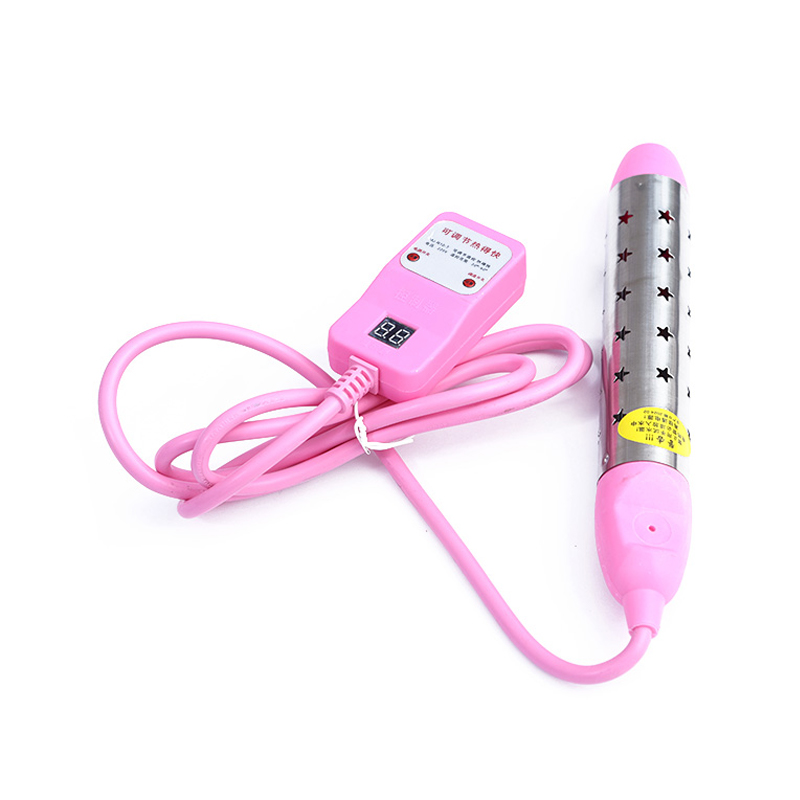
Which industries benefit most from using immersion heaters?
Jun 22,2026
How do hot runner coil heaters improve energy efficiency and product quality?
Jul 08,2026Your email address will not be published. Required fields are marked *