

 English
 русский
 عربى
عربى
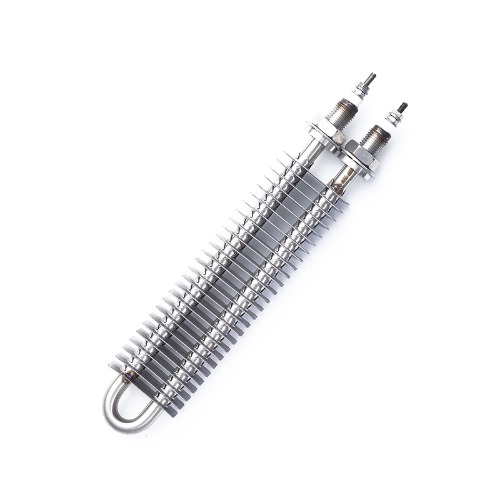
Product Consultation
Your email address will not be published. Required fields are marked *
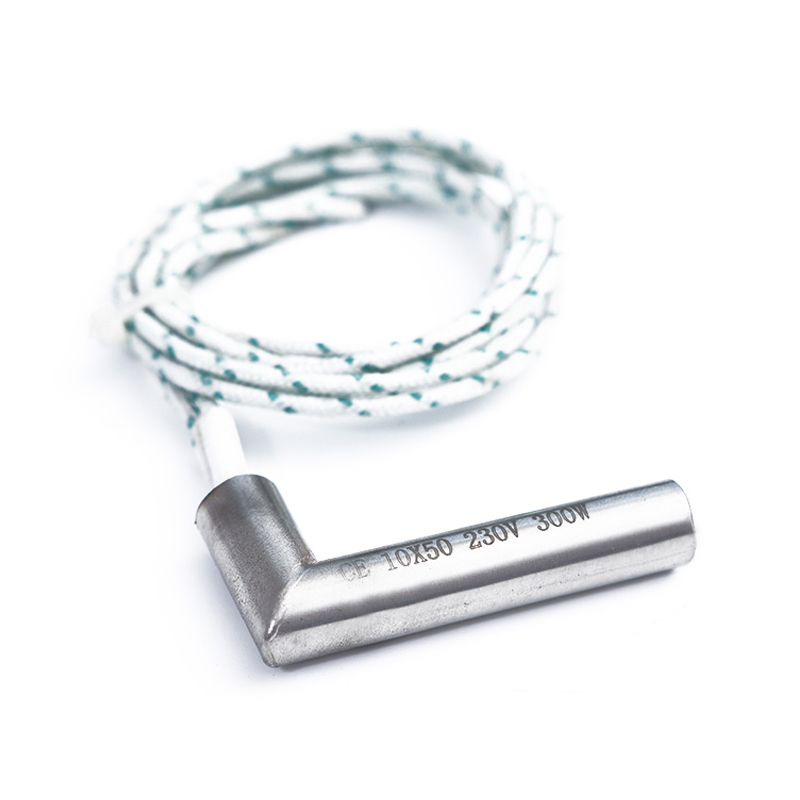
Electric heating elements are core thermal conversion components that convert electrical energy into thermal energy through the Joule heating effect, with a comprehensive energy conversion efficiency of 85% to 98% in conventional application scenarios. They are indispensable basic components in household appliances, industrial heating equipment and commercial thermal systems. Compared with traditional fuel heating methods, electric heating elements feature clean operation, precise temperature control, no pollutant emission and fast heating response. Different types of heating elements are adapted to distinct working environments, temperature requirements and equipment structures, and their service life and operating effect are directly determined by material selection, installation mode and daily maintenance. Reasonable type selection and standardized maintenance can effectively reduce energy consumption and extend the service cycle of heating equipment by more than 30%.
The operation of electric heating elements is based on the basic physical principle of Joule heating, which refers to the phenomenon that current generates heat when passing through a resistive conductor. When alternating or direct current passes through the resistive material inside the heating element, the free electrons in the material collide violently with atomic crystals during directional movement, converting electrical energy into internal thermal energy, and finally releasing heat outward through heat conduction, convection and radiation.
The heat generation capacity of the heating element is positively correlated with the resistance value and the operating current. Under stable voltage conditions, the heat generated per unit time is fixed for qualified standard heating elements, which ensures stable and uniform heating effect. High-quality electric heating elements can achieve stable thermal output within 1 to 3 seconds after power-on, with no obvious temperature fluctuation in the rated working range.
In order to adapt to different usage scenarios, most heating elements are equipped with insulating and heat-conducting protective structures outside the resistive core material. The insulating layer can prevent current leakage and ensure electrical safety, while the heat-conducting shell can accelerate heat dissipation and avoid local overheating of the core resistance wire, which effectively improves the operational stability and safety of the equipment.
Electric heating elements can be classified into multiple types according to structural form, core material and heating mode. Each type has unique performance advantages and fixed applicable scenarios, which can be divided into household civilian type and industrial high-power type in general. The following are the most widely used types in the market and their detailed applications.
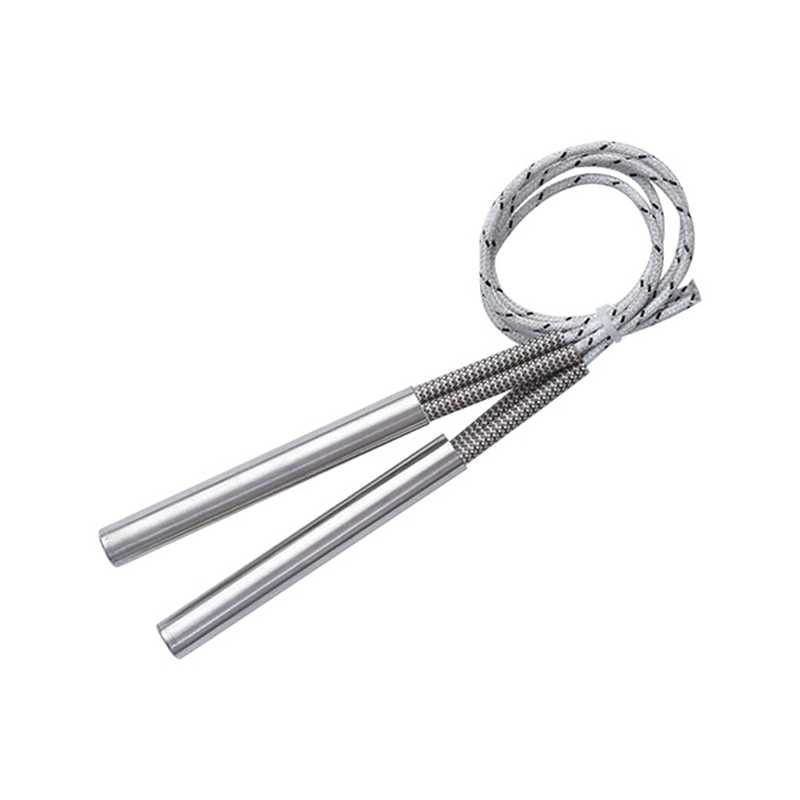
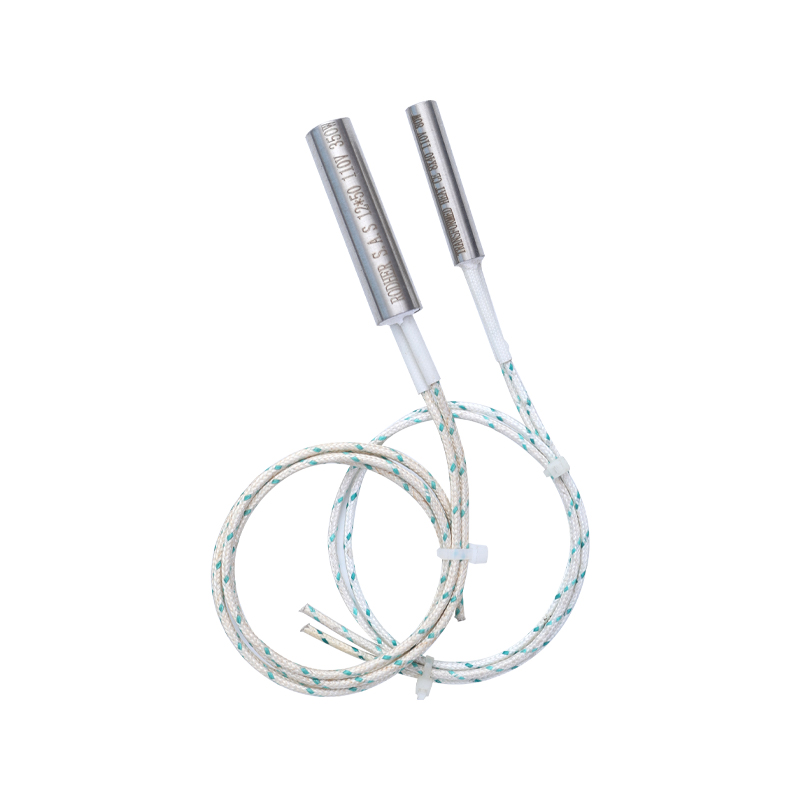
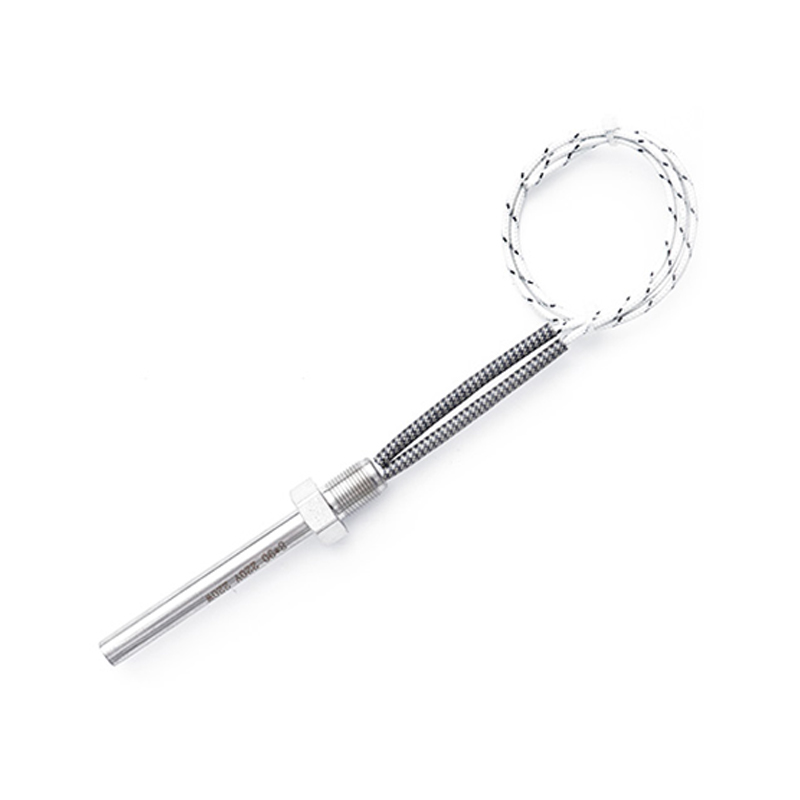
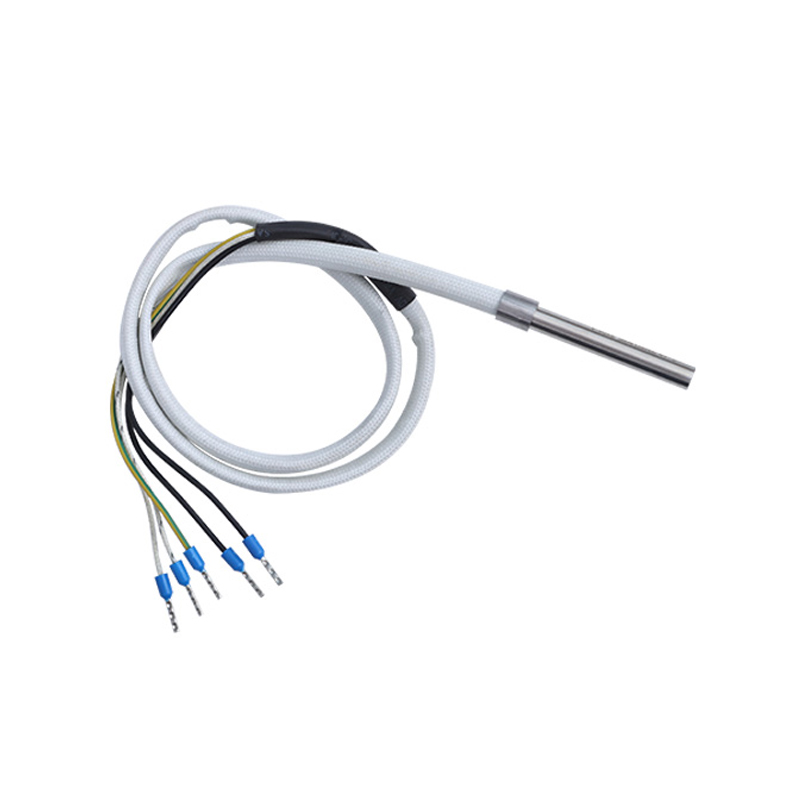
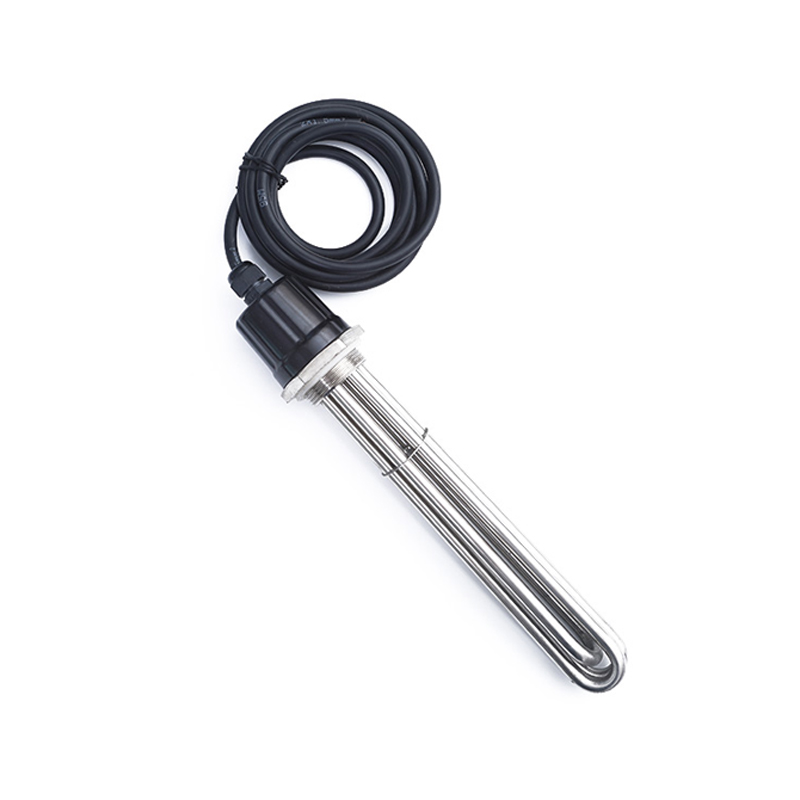
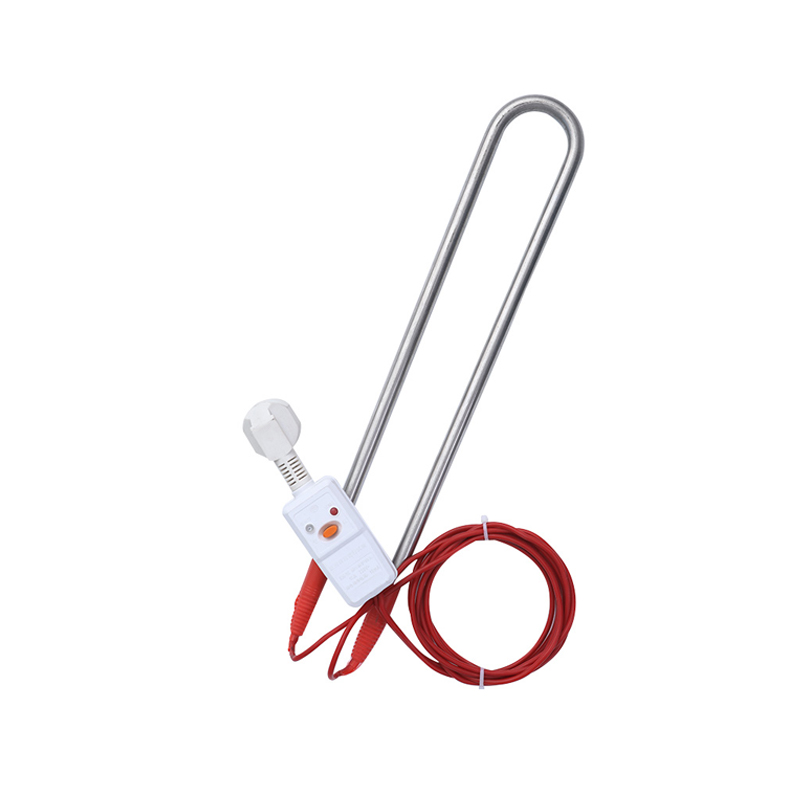
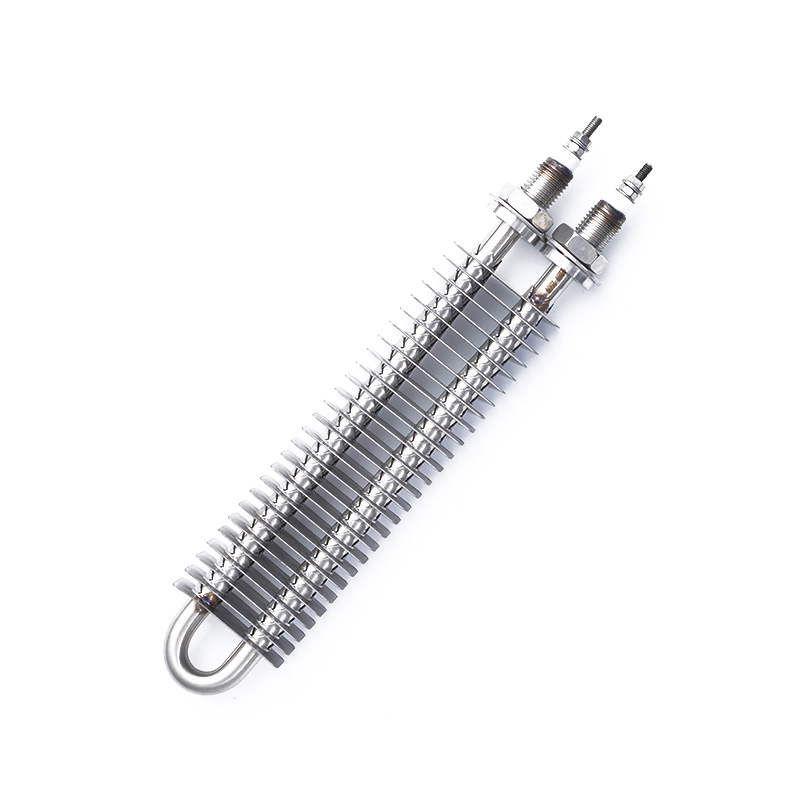
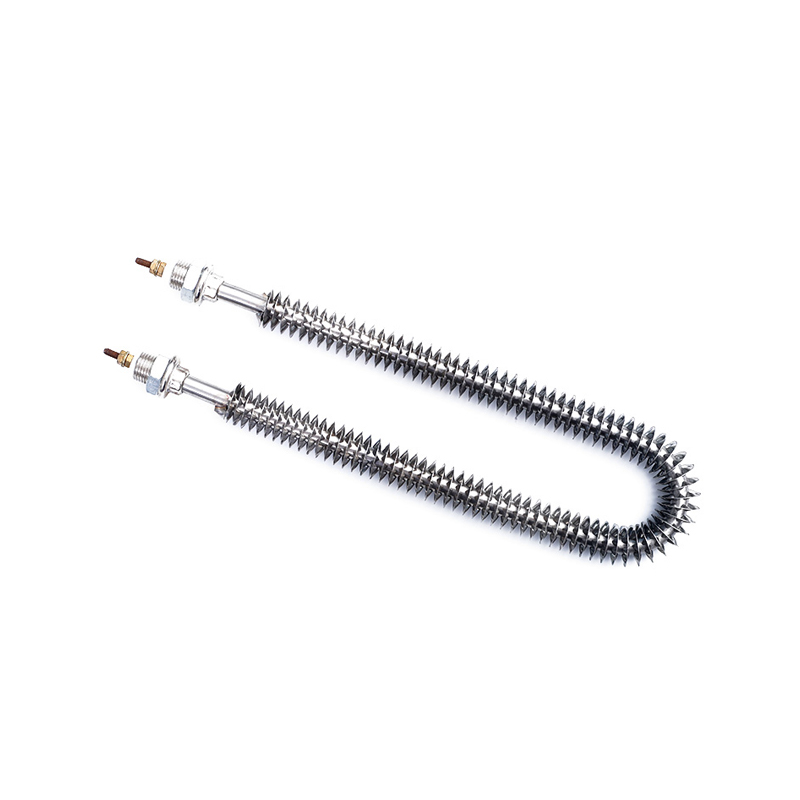
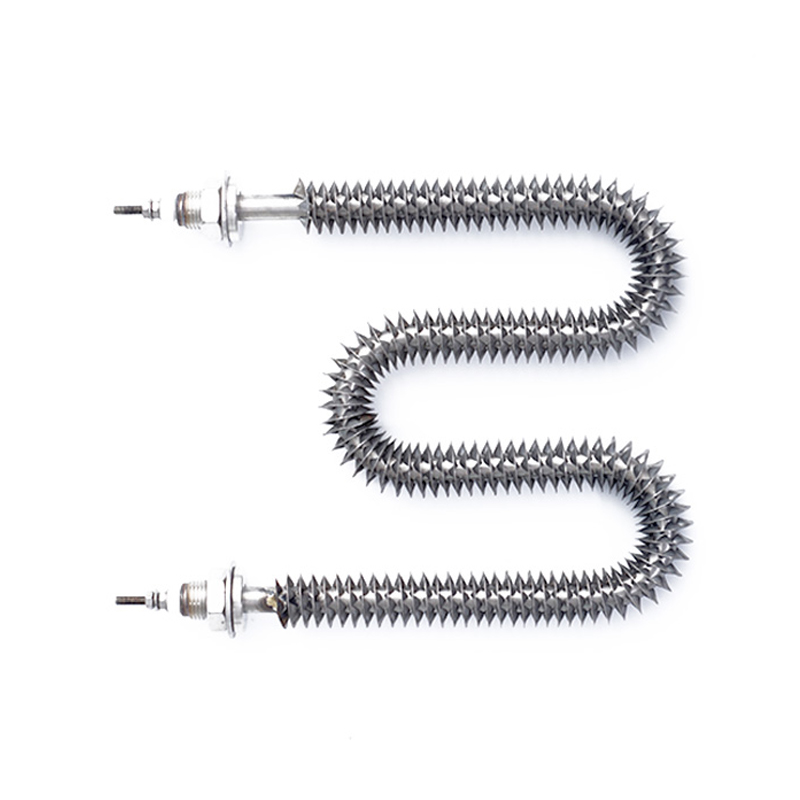
Tube heating elements are the most common and versatile type, with a metal shell, internal resistance wire and insulating filler. They feature simple structure, strong pressure resistance and wide temperature adaptation range. The conventional working temperature range of tubular heating elements is from room temperature to 600 degrees Celsius, and they can adapt to dry burning, liquid heating and air heating environments.
This type of heating element is widely used in water heaters, electric ovens, industrial drying ovens and liquid heating tanks. Its biggest advantage is customizable shape and power, which can be bent and processed according to equipment installation space, and the overall failure rate is lower than 2% under normal working conditions, with excellent stability.
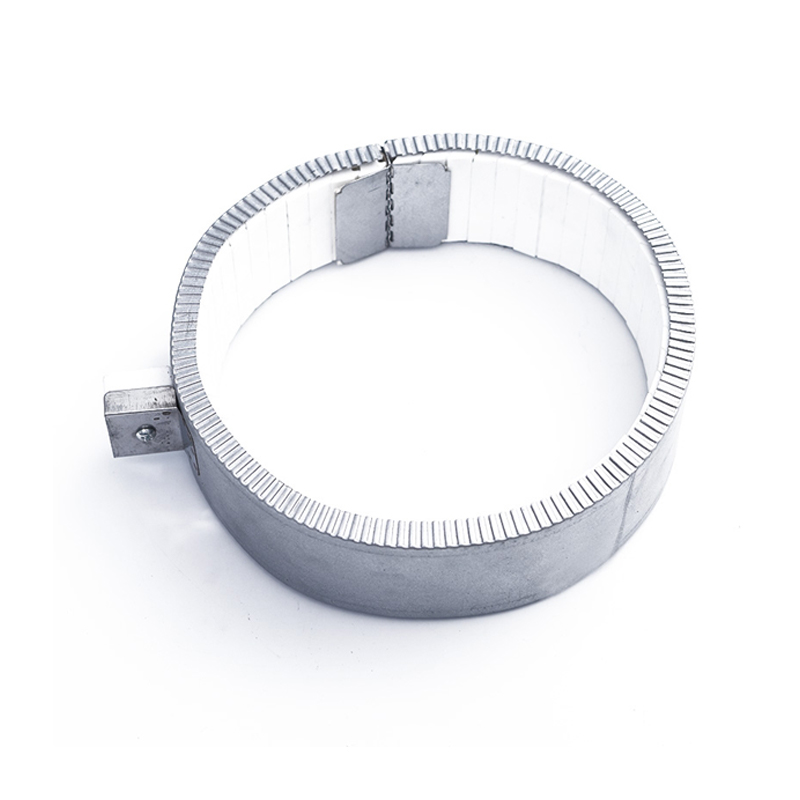
Ceramic heating elements take high-temperature resistant ceramic as the carrier and embed resistance wires inside the ceramic matrix. They have outstanding high-temperature resistance and corrosion resistance, and can work stably in high-temperature and corrosive environments for a long time. The working temperature can reach more than 800 degrees Celsius, which is far higher than that of ordinary tubular heating elements.
Due to the stable chemical properties of ceramic materials, this heating element will not oxidize or deform easily at high temperature, and is mostly used in industrial high-temperature furnaces, chemical heating equipment and high-temperature drying systems. Its disadvantage is poor impact resistance, and it is easy to crack under external force collision.
PTC heating element is a thermistor heating component with temperature self-limiting function. Its core feature is that the resistance value will increase sharply when the temperature reaches the set threshold, automatically reducing power and stopping temperature rise, realizing intelligent constant temperature heating without additional temperature control equipment.
This type of heating element is safe and energy-saving, with no open flame during operation, and is mainly used in small household appliances such as electric heaters, hair dryers and humidifiers. The energy-saving advantage of PTC heating elements is prominent, with an effective energy saving rate of 15% to 25% compared with traditional resistance heating elements.
Infrared heating elements convert electric energy into infrared radiation heat energy, which heats objects through radiation heat transfer, instead of relying on air convection. This heating mode has fast heat transfer speed and uniform heating effect, and will not cause air dryness and heat loss.
It is commonly used in industrial drying, paint curing, greenhouse heating and indoor far-infrared heating equipment, and has high heating efficiency for surface heating of solid materials.
| Heating Element Type | Maximum Working Temperature | Core Advantages | Main Application Scenarios |
|---|---|---|---|
| Tube Type | 600℃ | Versatile, low failure rate, customizable | Household appliances, conventional industrial heating |
| Ceramic Type | 800℃+ | High temperature resistance, corrosion resistance | High-temperature industrial equipment |
| PTC Type | 250℃ | Self constant temperature, energy saving, safe | Small household heating appliances |
| Infrared Type | 500℃ | Fast radiation heating, uniform heat | Drying, curing, surface heating |
The heating efficiency, service life and operational safety of electric heating elements are affected by multiple internal and external factors. Mastering these influencing factors can help users select and use heating elements scientifically, avoid performance attenuation and equipment failure, and maximize the use value of components.
The core resistance material determines the basic performance of the heating element. High-quality nickel-chromium alloy and iron-chromium alloy are the most mainstream resistance materials. Nickel-chromium alloy has better oxidation resistance and ductility, and can maintain stable resistance performance under long-term high-temperature operation, with a service life more than twice that of ordinary low-grade alloy materials. Inferior materials are prone to oxidation, resistance drift and wire breakage at high temperature, resulting in reduced heating efficiency and direct scrapping of components.
Environmental temperature, humidity and medium type have a great impact on the service life of heating elements. Heating elements working in dry and clean air have the longest service life; while working in humid, dusty or corrosive gas and liquid environments, the shell and internal structure are easy to be eroded. Data shows that the service life of heating elements in corrosive environments will be reduced by 40% to 60% compared with conventional environments.
Overload operation is one of the main causes of heating element damage. If the actual operating power exceeds the rated power for a long time, the internal resistance wire will be overheated, accelerating aging and oxidation. Even short-term overload startup will cause irreversible damage to the component structure. Therefore, it is necessary to match the appropriate power specification according to the equipment heating demand to avoid long-term high-load operation.
Unreasonable installation position and poor heat dissipation will lead to local heat accumulation of the heating element, resulting in excessive local temperature and burning damage. For air heating elements, sufficient heat dissipation space must be reserved; for liquid heating elements, the heating surface must be fully immersed in the medium to avoid dry burning in local areas.
Standardized daily maintenance is the key to ensure the stable performance and long service life of electric heating elements. Most common failures of heating elements are caused by irregular use and lack of maintenance. The following targeted maintenance measures can effectively avoid frequent failures and reduce equipment operation costs.
Through standardized daily maintenance, the average service life of electric heating elements can be extended by more than 35%, and the equipment failure rate can be controlled below 1%.
In the long-term operation process, electric heating elements may have various faults due to aging, environmental influence and improper operation. Timely judgment and troubleshooting can quickly restore equipment operation and reduce production and use losses. The following are the most common faults and effective solutions.
This fault is mostly caused by open circuit of internal resistance wire, loose wiring or power supply failure. First, check whether the power supply voltage is normal and whether the wiring terminals are loose and fallen off. If the circuit is normal, it means that the internal resistance wire is burned out, and the heating element needs to be replaced directly, which is an irreparable internal structural fault.
Insufficient heating power is mainly caused by surface dirt accumulation, local aging of resistance wire or unstable power supply. First, clean the surface scale and dust to eliminate heat dissipation obstruction. If the heating effect is still not improved, it indicates that the internal resistance material is aging and the resistance value increases, resulting in reduced power, and the component needs to be replaced in time.
Electric leakage is a common safety fault, which is mainly caused by decreased insulation performance, damaged shell or internal moisture. First, cut off the power supply and dry the component thoroughly. If the leakage fault still exists after drying, it means that the internal insulating layer is damaged and cannot be repaired, and the heating element must be replaced to ensure electricity safety.
Local overheating is usually caused by poor local heat dissipation, uneven internal resistance wire distribution or long-term dry burning. After the fault occurs, it is necessary to check whether the installation is reasonable and whether the heat dissipation space is sufficient, and eliminate the dry burning phenomenon. The burnt and deformed heating element cannot be used again and needs to be replaced immediately to avoid safety hazards.
With the continuous upgrading of industrial manufacturing technology and the improvement of energy-saving and environmental protection requirements, electric heating element technology is developing towards high efficiency, energy saving, intelligence and safety. Traditional single resistance heating elements can no longer meet the high-precision heating demand of modern equipment, and new composite heating elements have become the mainstream development direction.
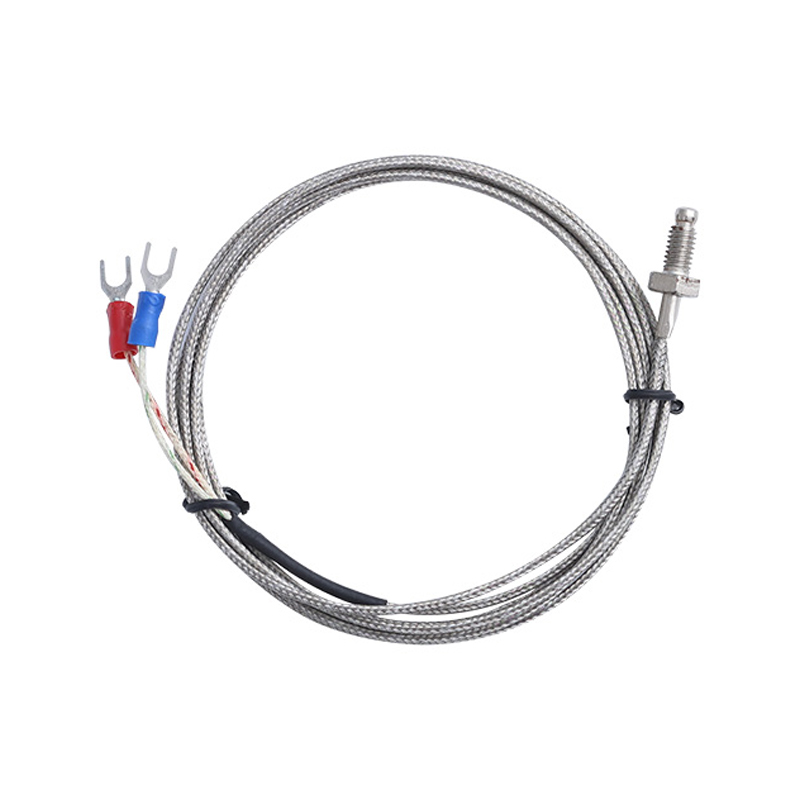
Intelligent temperature control integration is an important development trend. The new generation of electric heating elements can be matched with intelligent sensing modules to realize real-time temperature monitoring, automatic power adjustment and fault early warning, which greatly improves the precision and safety of heating control. The temperature control accuracy of intelligent heating elements can reach ±0.5℃, which is far higher than the ±3℃ error of traditional ordinary heating elements.
In terms of materials, new high-temperature resistant, anti-oxidation and energy-saving composite materials are gradually replacing traditional alloy materials. These new materials have higher thermal conductivity and lower thermal loss, which can further improve the energy conversion efficiency of heating elements and reduce operating energy consumption. In addition, miniaturization and modularization are also the main development directions, which can adapt to the compact design of modern precision equipment and realize flexible assembly and combination.
In the context of global energy conservation and emission reduction, low-carbon and efficient electric heating elements will gradually replace high-energy-consumption heating products, and are widely used in new energy, environmental protection, precision manufacturing and other emerging fields, with broad market development space.
What types of heaters are available for packaging machinery? How to choose between infrared, heating element, and ceramic heating?
Jun 08,2026
Which industries benefit most from using immersion heaters?
Jun 22,2026Your email address will not be published. Required fields are marked *