

 English
 русский
 عربى
عربى
Product Consultation
Your email address will not be published. Required fields are marked *
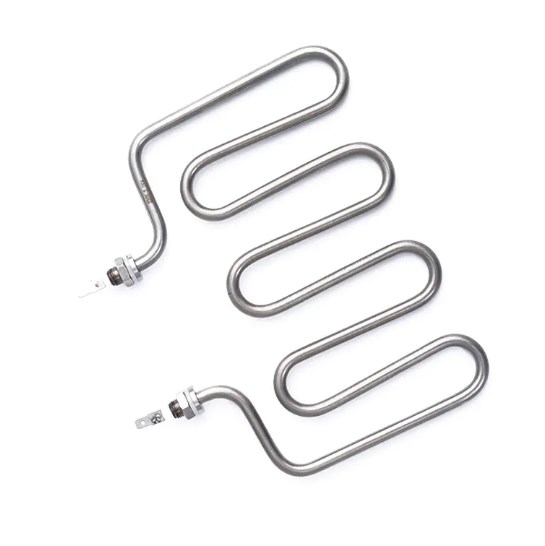
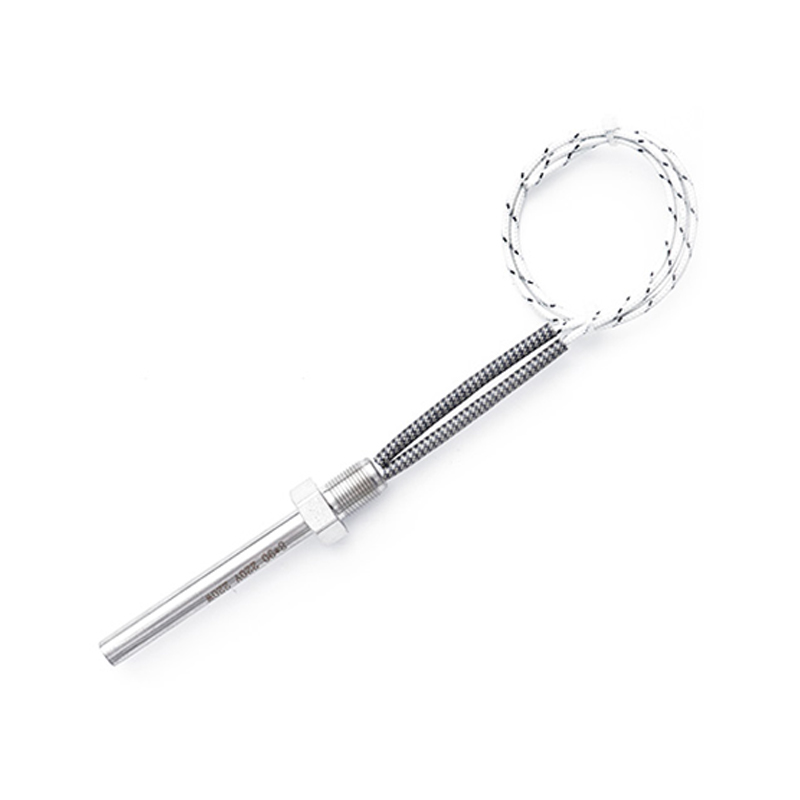
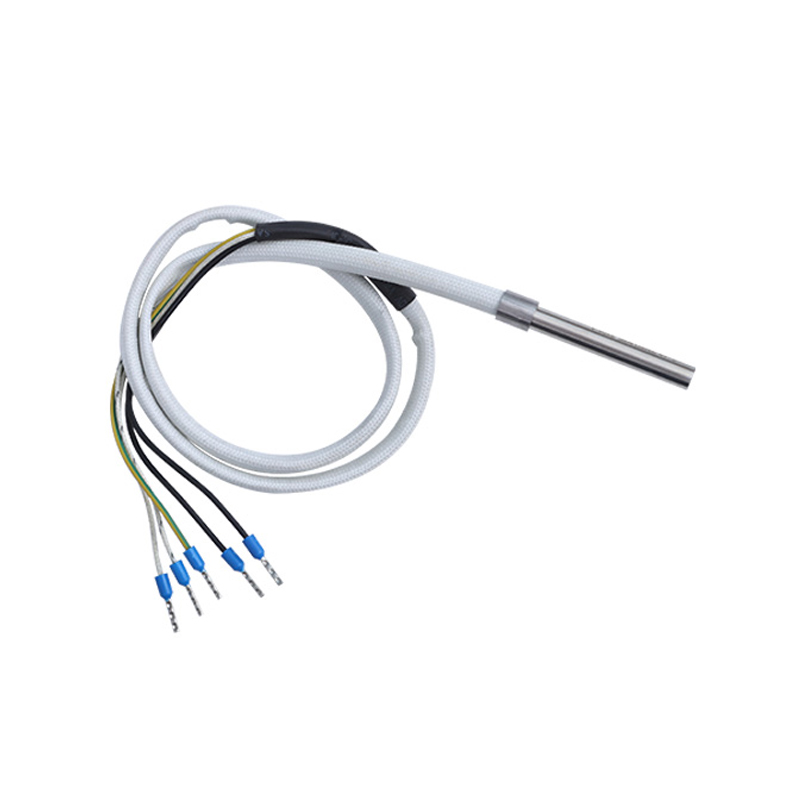
Special electric heating elements are not merely components that generate heat; they are engineered thermal solutions designed to perform under conditions where standard elements fail. The fundamental conclusion is that the value of a "special" element lies in its ability to maintain structural integrity and thermal efficiency in extreme environments—such as high-pressure vessel heating, corrosive chemical processing, or vacuum applications. Unlike generic tubular heaters, these elements are customized in geometry, sheath materials, and internal resistance wire configurations to match specific thermodynamic requirements. This customization ensures optimal heat transfer, extended equipment lifespan, and crucial safety compliance in industries ranging from aerospace to food processing. Consequently, selecting the right special heating element is a critical engineering decision that directly impacts system reliability and operational costs.
The performance of a heating element is predominantly dictated by its sheath material. Standard heaters often utilize basic stainless steel, but special electric heating elements require advanced metallurgy to withstand specific stressors. For instance, in environments where moisture and oxidation are prevalent, Incoloy alloys are frequently specified due to their superior resistance to corrosion and scaling at high temperatures. In more aggressive chemical settings, such as heating acidic solutions, Titanium or Hastelloy sheaths become necessary to prevent rapid degradation. Furthermore, for non-metallic applications, Silicon Carbide (SiC) elements are used for their ability to operate at extremely high temperatures, often exceeding the limits of metallic conductors. The choice of material is not merely about durability; it dictates the maximum surface watt density the element can handle without causing premature failure or damaging the process fluid.
| Material Type | Primary Application | Key Benefit |
|---|---|---|
| Incoloy 800/840 | Hot water, oils, mild chemicals | High corrosion resistance |
| Stainless Steel 316 | Food processing, clean environments | Hygienic, easy to clean |
| Titanium | Chemical plating, acidic baths | Exceptional chemical inertness |
| Silicon Carbide | Furnaces, extreme heat treatment | Very high-temperature capability |
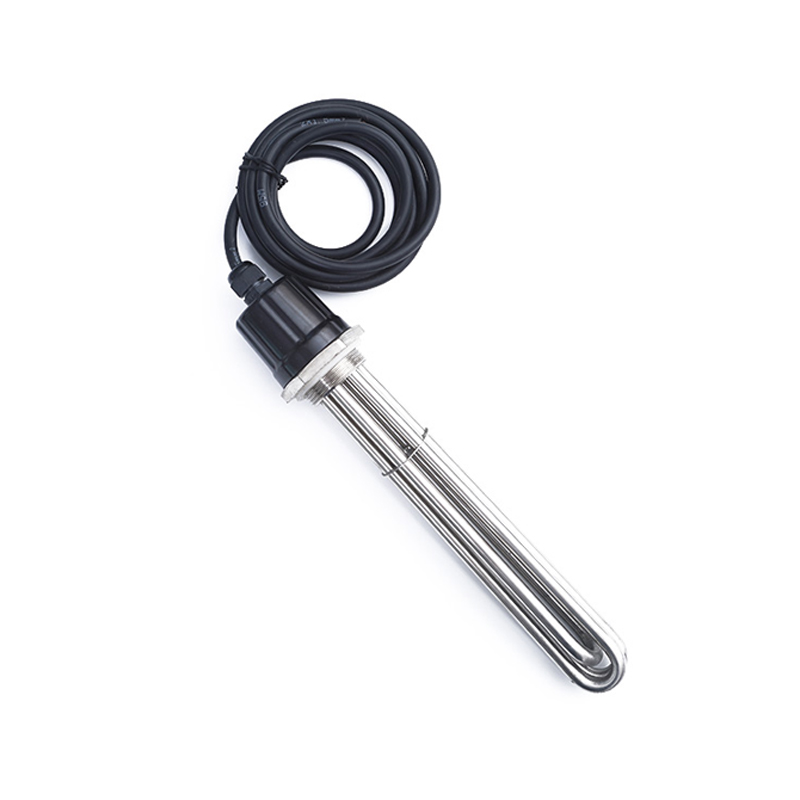
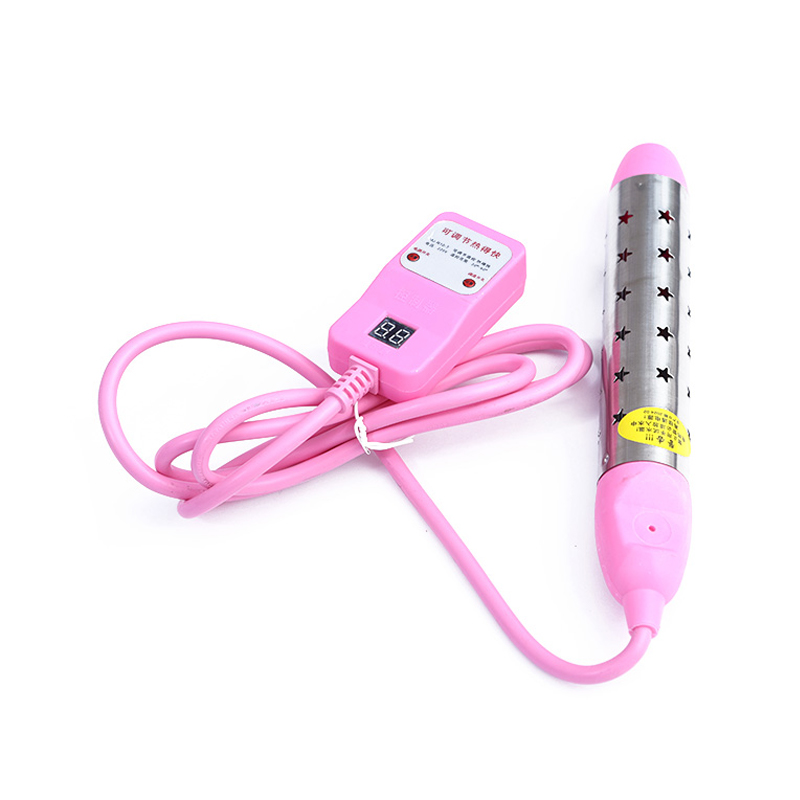
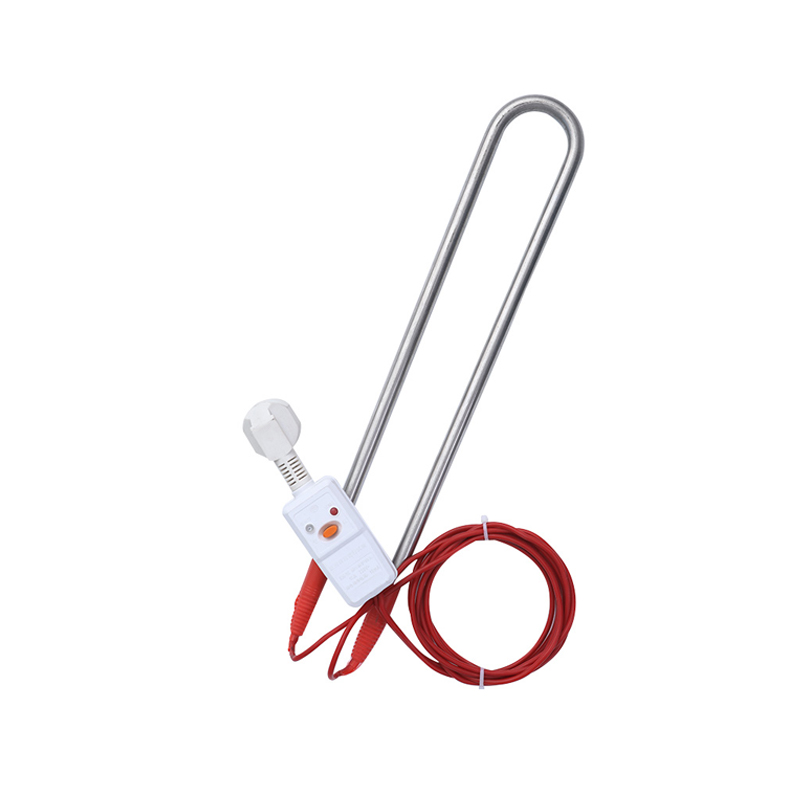
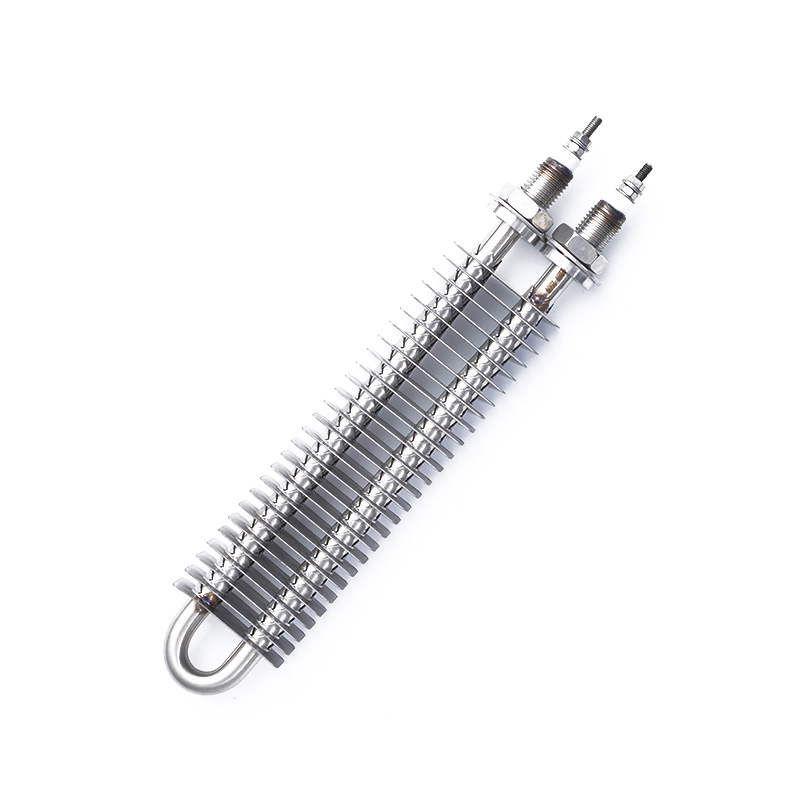
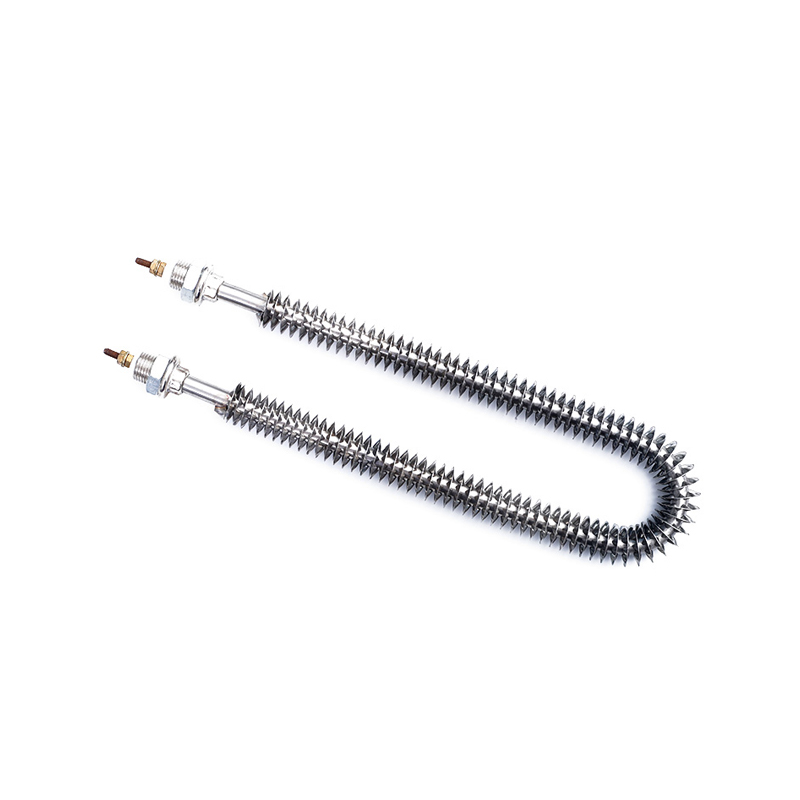
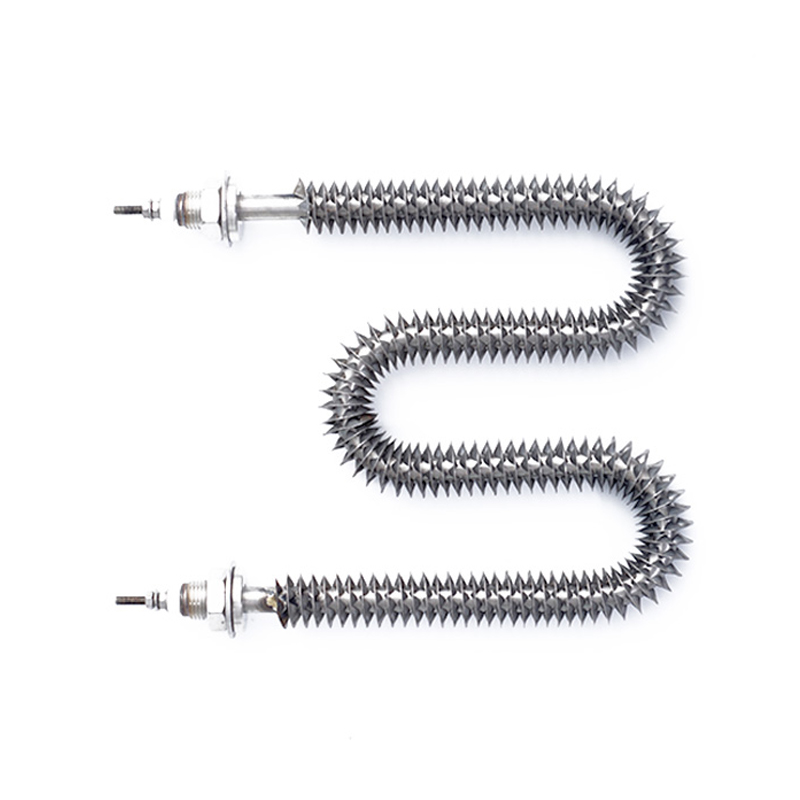
The "special" in special electric heating elements often refers to their physical form. Standard stock heaters are typically straight rods or basic U-shapes, but industrial machinery rarely offers the luxury of linear space. Engineers must often specify complex shapes—such as spirals, star patterns, or flattened profiles—to fit into tight moulds or irregular vessel geometries. For example, in plastic injection molding, flexible coil heaters are wrapped around nozzles to ensure uniform heat distribution, preventing material degradation. Similarly, large tank heating requires flanged immersion heaters that can be removed without draining the tank. The geometry is calculated to maximize surface area contact with the medium, minimizing hot spots and ensuring that the heat transfer coefficient is optimized for the specific fluid viscosity or air velocity.
Selecting the correct element goes beyond matching voltage and wattage. One must consider the thermal dynamics of the application. A key metric is Watt Density, measured in watts per square inch. High watt density elements transfer heat quickly but risk "skin effect" boiling in liquids or coking in oils, leading to premature burnout. In contrast, lower watt density elements provide a gentler heat transfer, suitable for viscous fluids or sensitive materials. Another critical factor is the termination style. While standard screw plugs are common, special elements often require moisture-resistant epoxy seals, welded leads, or specialized junction boxes to prevent ingress of humidity or explosive gases. Engineers must also account for the specific gravity of the liquid being heated, as elements exposed to air (due to low liquid levels) will overheat rapidly due to the lack of convection cooling.
| Parameter | Consideration Factor | Consequence of Error |
|---|---|---|
| Voltage | Matching power supply stability | Overheating or reduced efficiency |
| Watt Density | Fluid viscosity and thermal conductivity | Fluid degradation or element burnout |
| Sheath Material | Chemical compatibility with process | Corrosion, contamination, leaks |
| Process Temp | Maximum operating limits of wire | Resistance wire oxidation and failure |
The utility of special electric heating elements is best illustrated through their application in high-stakes industrial sectors. In the chemical processing industry, specially sheathed immersion heaters are used to maintain the viscosity of heavy oils or asphalt in storage tanks. These elements must resist not only the chemical attack of the product but also the mechanical stress of thermal expansion. In the food and beverage sector, hygiene is paramount; elements used in kettles or sterilizers must feature polished surfaces and special gaskets to prevent bacterial growth and withstand frequent cleaning cycles. Another fascinating application is in the renewable energy sector, where specialized defrost heaters are used in wind turbine blades and solar panels to prevent ice accumulation in cold climates, ensuring continuous energy generation.
To maximize the return on investment for special electric heating elements, proactive maintenance is essential. The most common cause of failure is not the burnout of the internal wire, but rather the buildup of insulating material on the sheath. In liquid heating applications, mineral scale accumulation acts as a barrier, trapping heat inside the element and causing the internal temperature to skyrocket beyond the wire's melting point. Regular cleaning schedules, possibly involving chemical descaling, are vital. For air heating applications, ensuring unrestricted airflow is critical; blocked vents or clogged filters can lead to fatal overheating. Additionally, periodic inspection of terminal connections is necessary to prevent oxidation of electrical contacts, which can increase resistance and cause localized overheating at the power entry point.
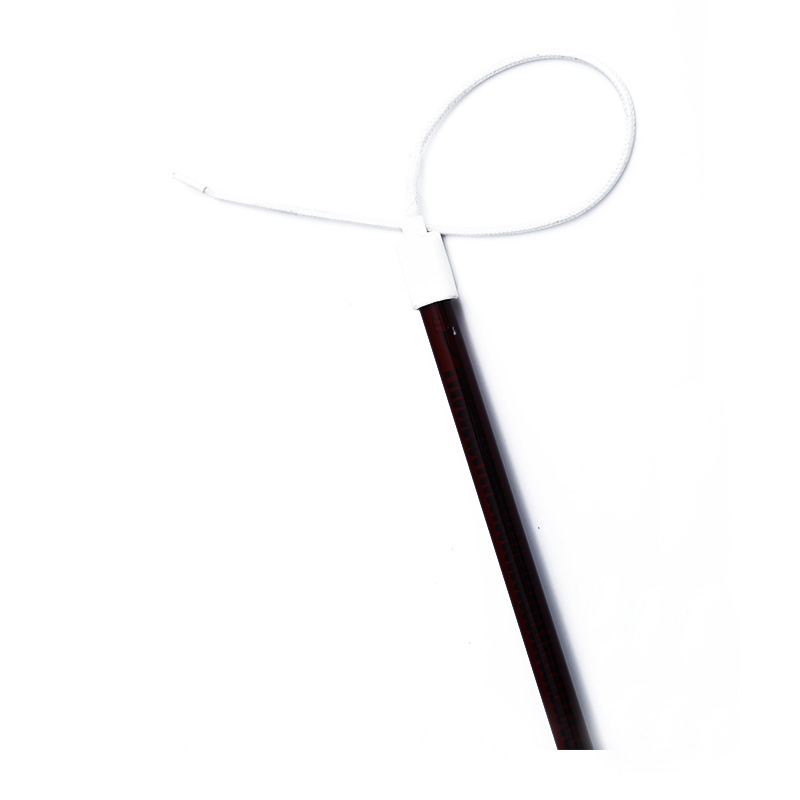
How do infrared heater elements work compared to traditional convection heaters?
Jul 15,2026
What are the most durable materials for electric heating elements?
Jul 29,2026Your email address will not be published. Required fields are marked *