

 English
 русский
 عربى
عربى
Product Consultation
Your email address will not be published. Required fields are marked *
A thermoforming plant running 1.2 mm PET sheet switched its preheat tunnel from quartz tubes to ceramic infrared heater elements and cut cycle time from 22 seconds to 14 seconds per part. The gain came from wavelength matching, not from more power: quartz tubes radiate mostly below 2.5 microns, which PET absorbs poorly, while a ceramic infrared heater running near 600°C concentrates its output in the 3 to 8 micron band. Watt density, emitter geometry, and controller settings come second; the wavelength match is the first filter an engineer applies.
A ceramic infrared heater converts electricity into radiation by running current through a nickel-chromium resistance coil embedded in a molded ceramic body, and the ceramic surface radiates almost entirely between 2 and 10 microns. The body is thin-walled and low in mass, which is why the element reaches working temperature in minutes and responds faster than a cast-iron block of the same rating.
The emission peak is set by surface temperature. The hotter the element, the shorter the dominant wavelength, so a single heater can be tuned by the power applied to it. The practical ceiling for continuous work is about 750°C, the rating used by element manufacturers for cordierite and alumina bodies.
Peak emission wavelength shifts as the ceramic surface temperature rises, following Wien displacement law
For a ceramic infrared heater to transfer heat efficiently, the target material must absorb in the 2 to 10 micron range. Most organic materials do, so coatings, films, food, and fiber respond well. Glass and bare metal reflect far-infrared energy and are better handled by short-wave emitters or convection.
| Material or coating | Strong absorption band | Ceramic infrared match |
| Water and moisture | 2.7 - 3.3 micron | Excellent |
| Polyester (PET) | 5.8 micron | Excellent |
| Epoxy and powder paint | 3.2 - 3.6 micron | Excellent |
| PVC | 3.5 - 7.0 micron | Good |
| Wood and paper | 3.0 - 7.0 micron | Good |
| Polypropylene film | 3.4 and 6.8 micron | Partial, thickness dependent |
Operate the emitter so its peak wavelength sits inside the material absorption band. Water-based coatings dry fastest near 500°C, where the peak is around 3.8 micron. PET sheet responds better near 600°C, where the peak drops to about 3.3 micron and the radiation curve still overlaps the 5.8 micron absorption line.
Watt density is the heating power per unit of emitter area, expressed in watts per square centimeter, and it fixes the ceramic surface temperature and therefore the emission spectrum of the heater.
Watt density (W/cm2) equals the total wattage of the element divided by the effective radiating area of the ceramic body.
A typical ceramic infrared heater runs at 4 to 8 W/cm2. Running the element at partial power lowers the ceramic temperature, shifts the peak to longer wavelengths, and often improves efficiency on thick parts because the material absorbs the radiation more completely. Fast thin-film drying is the opposite case: a higher watt density and a shorter wavelength deliver energy before the surface cools.
The manufacturer must convert line speed, product mass, and target temperature into a wattage, then distribute it over a defined heated length. Custom watt density and custom terminal orientation are normal requests when buying from a supplier, not special ones.
Choose a ceramic infrared heater when the product absorbs far-infrared radiation and the line needs durable, uniform heating. Choose quartz or halogen when you need a response time under a few seconds and a very high watt density.
| Parameter | Ceramic infrared heater | Quartz or halogen emitter |
| Maximum element temperature | 750°C | 900 - 1000°C |
| Dominant wavelength band | 2 - 10 micron (far infrared) | 0.76 - 2.5 micron (short wave) |
| Thermal response | 30 to 90 seconds | Under 5 seconds |
| Typical watt density | 4 - 8 W/cm2 | 15 - 30 W/cm2 |
| Mechanical robustness | High, low-mass ceramic body | Fragile quartz tube |
| Best suited for | Coating drying, thermoforming, food dehydration | High-speed drying of thin layers |
The radiation pattern of a ceramic infrared heater is set by geometry, so emitter-to-product distance, center-to-center spacing, reflector profile, and edge compensation must be specified together.
For retrofit projects the mechanical envelope is usually the constraint: heated length and terminal positions must fit the existing frame. Xinghua Yading Electric Heating Element Co., Ltd., a Chinese element maker with 30 years of production history and an annual capacity above 500,000 pieces, builds tubular ceramic infrared elements with molded bodies and protected terminals for oven and dryer builders.
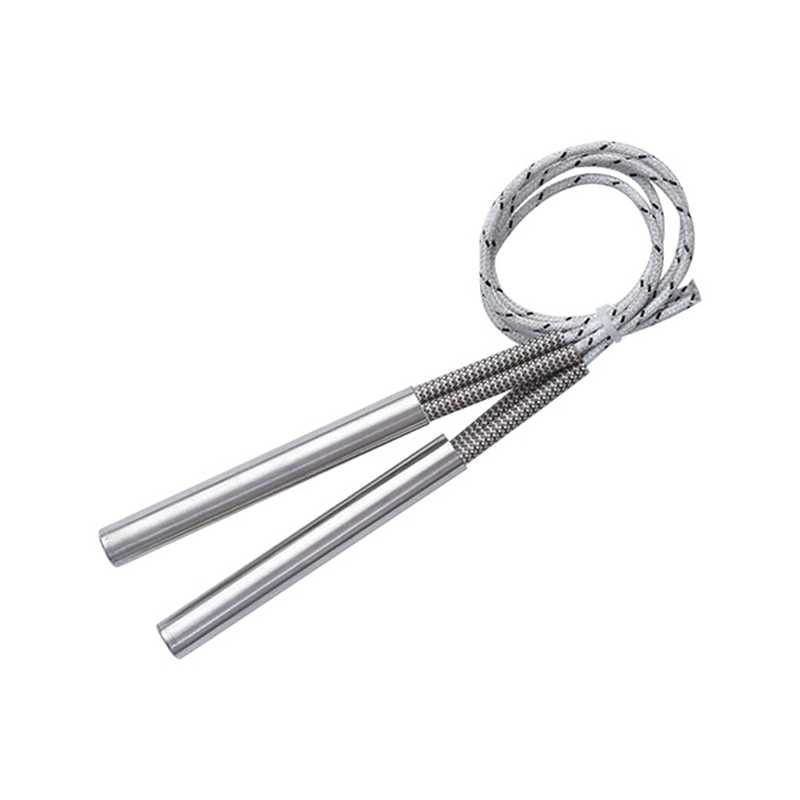
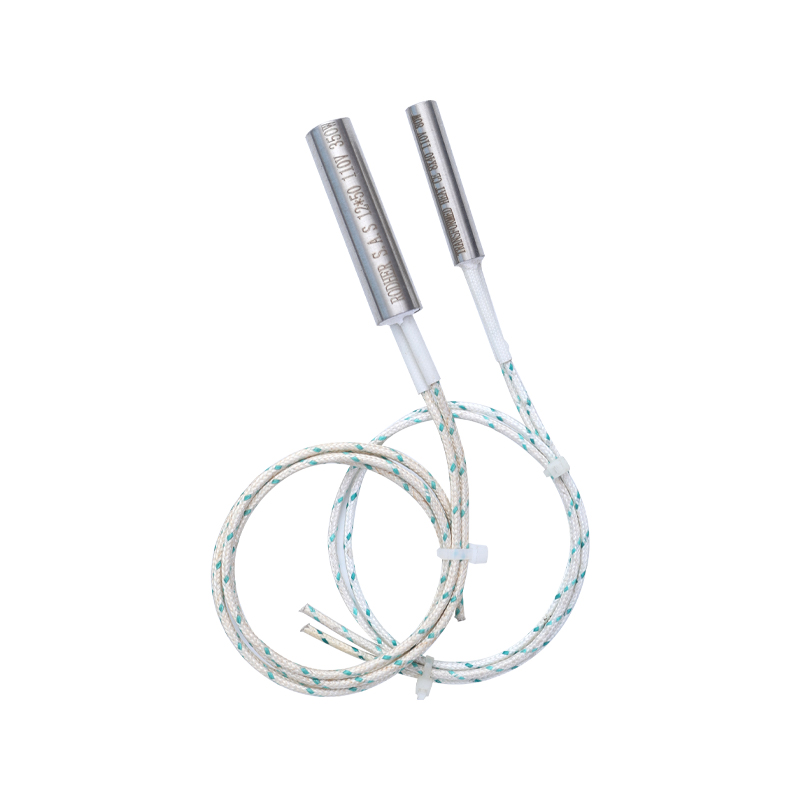
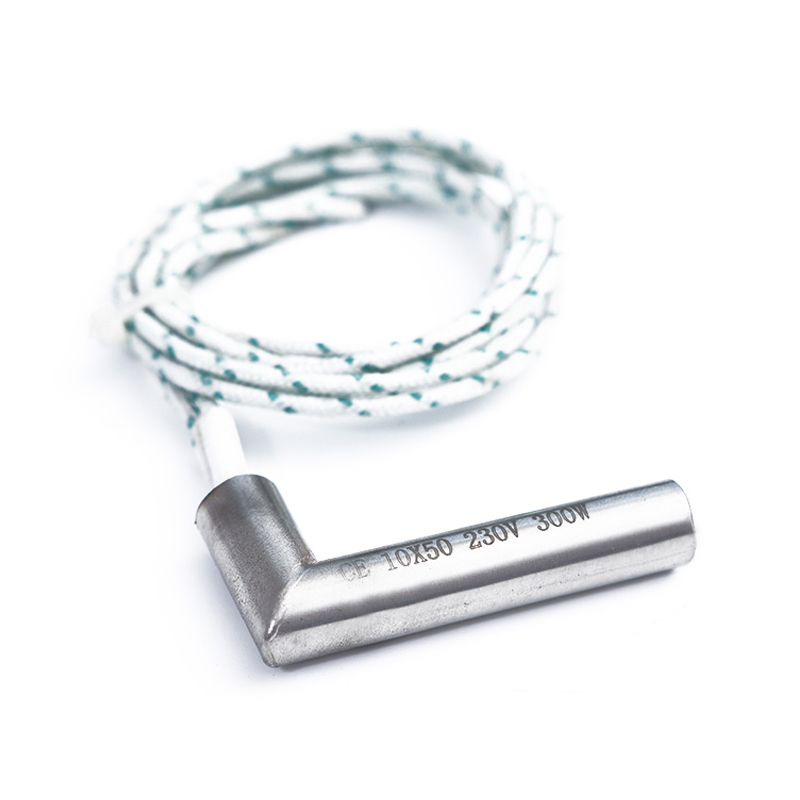
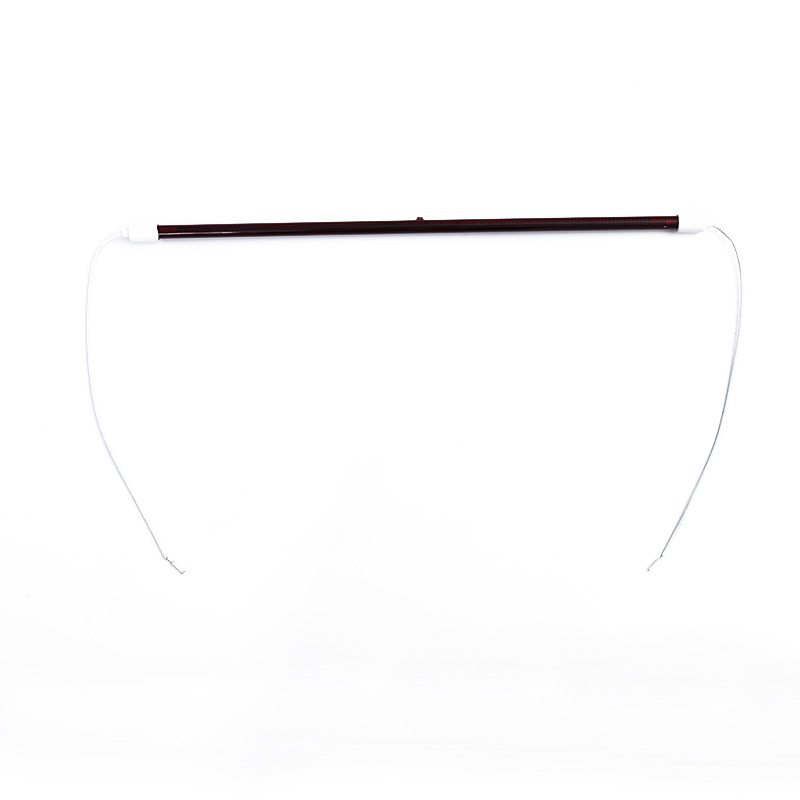 Durable Ceramic Infrared Tube Heater for Ovens and DryersThis ceramic infrared tube heater offers instant heat, even distribution, and energy-efficient operation. Built with corrosion-resistant ceramic, it suits industrial workshops, greenhouses, and retrofit oven or dryer applications.View Product →
A well-built ceramic infrared heater lasts between 10,000 and 20,000 hours in normal service, and the first failure is usually mechanical or environmental rather than electrical burn-out.
Check the ceramic surface for hairline cracks at every maintenance stop, measure the current draw of each element, and replace the unit when the temperature profile across the bank drifts by more than 10 to 15°C.
Spare-part rule of thumb: keep one spare ceramic infrared heater for every ten installed, stored dry in the original packaging to avoid moisture absorption.
Continuous element temperature is rated around 750°C. Some bodies tolerate short peaks above that, but every extra 50°C accelerates oxidation of the resistance wire and shortens element life.
A ceramic infrared heater radiates across the 2 to 10 micron band. The peak depends on surface temperature: about 5.1 micron at 300°C, falling to 2.8 micron at 750°C.
Typical service life is 10,000 to 20,000 hours. Thermal shock, moisture ingress, and loose terminals reduce that; steady power control and dry mounting extend it.
Electrically yes, if voltage and wattage match, but the wavelength changes, so the process must be re-tuned. The swap usually increases the share of far-infrared energy and often improves heating of thick or coated products.
If your coating is not listed in the absorption table, send a sample panel to the element supplier and request a spectral match test before you order the heater bank.
For painted, coated, or formed plastic parts, the far-infrared band of a ceramic infrared heater will almost certainly cut heating time compared with short-wave quartz. Send the line speed, product thickness, target temperature, and available mounting depth to Yading; the factory will propose a heated length and watt density before you order. For a custom ceramic infrared heater design, contact Yading with the absorber material and conveyor width.
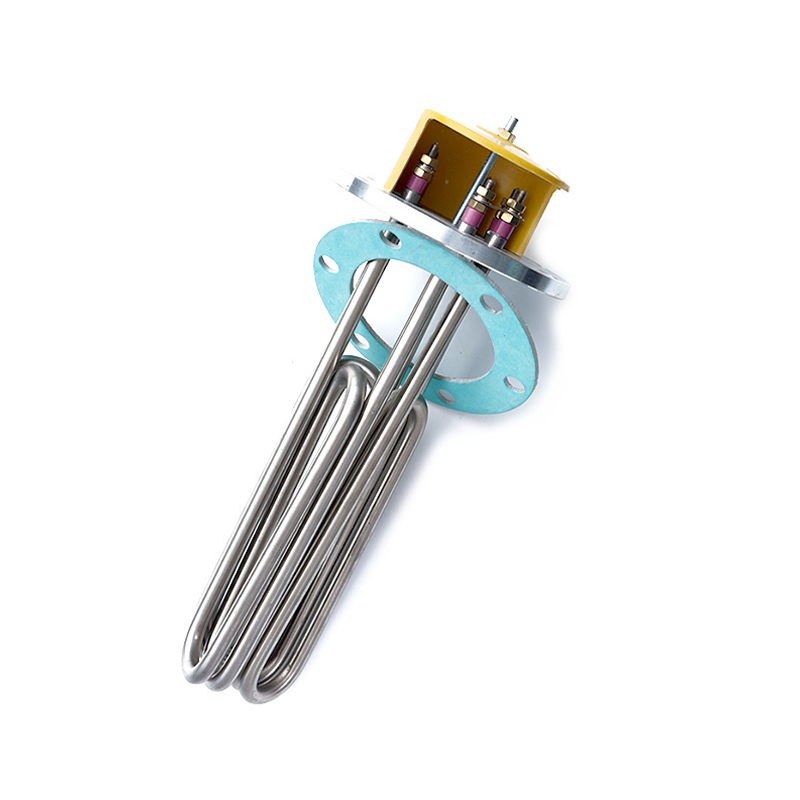
Industrial Immersion Heating Elements: Watt Density, Materials, and Failure Preven
Sep 23,2026
No previous article
Jan 01,1970Your email address will not be published. Required fields are marked *