

 English
 русский
 عربى

Product Consultation
Your email address will not be published. Required fields are marked *
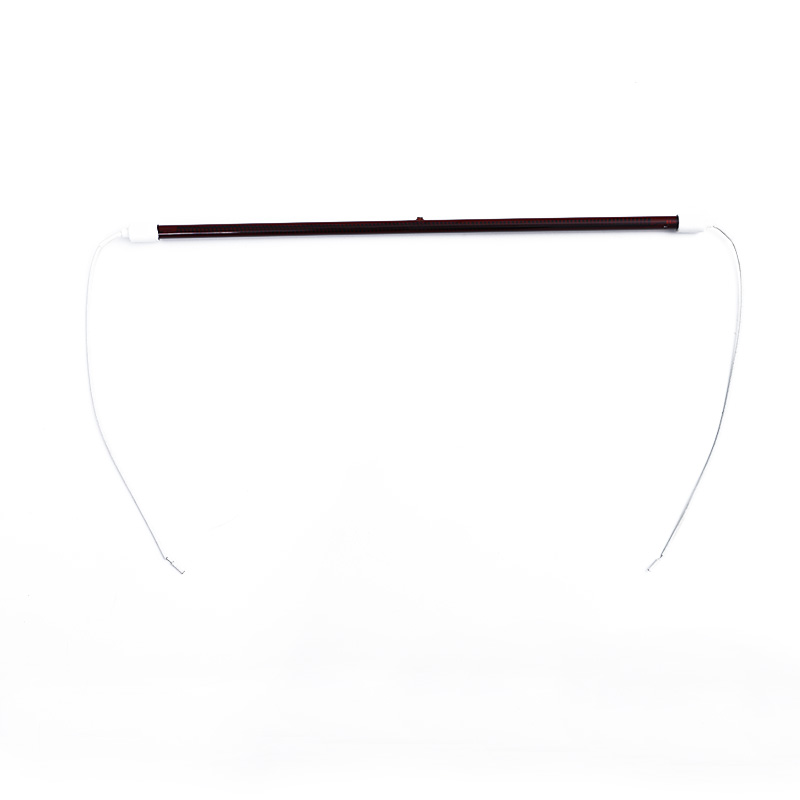
An infrared tube heater converts electrical energy directly into electromagnetic radiation. The nickel-chromium coil inside the tube heats a ceramic or quartz sheath to 400-800 °C, and the sheath emits infrared energy in straight lines to the product. There is no blower, ductwork, or heat-transfer fluid - so a radiant zone reaches operating temperature in seconds, not minutes.
Radiant heating efficiency is the percentage of input electrical energy that reaches the product as useful heat. A ceramic infrared tube heater with a correctly positioned reflector delivers 80-90 % of input to the product; a convection oven delivers 40-60 % because walls, conveyor, and air absorb the rest.
The component set is compact and field-repairable:
Match the emitter's peak wavelength to the absorption band of your material, or the radiation reflects off the product and heats the oven instead. A ceramic infrared tube heater operates in the medium-wave band of roughly 2-4 µm, which covers water, powder coatings, acrylic resins, paper, and most thermoplastics.
| Wavelength band | Emitter temperature | Materials with strong absorption | Typical process |
| Short wave: 0.8-2 µm | 1800-2200 °C | Glass, thin polymer films | Fast preheat, thin-coating cure |
| Medium wave: 2-4 µm | 500-800 °C | Water, powder, paper, PET | Paint drying, powder curing, thermoforming |
| Long wave: above 4 µm | 250-450 °C | Wood, textiles, adhesives | Low-temperature drying, soft baking |
Medium wave is the industrial default because it matches the absorption peaks of most coatings and plastics while the 500-800 °C emitter temperature preserves tube life. For response time and process fit across all three bands, see our complete comparison of short-wave, medium-wave, and long-wave infrared heater types.
If the material absorbs less than 40 % of the emitted band, raising wattage will not fix the problem. You need a different wavelength, a blackened surface, or an air-assist arrangement.
Practical infrared efficiency is the product of emitter conversion, reflector efficiency, and the absorptivity of the product at the emitted wavelength - and absorptivity is the term most plant engineers underestimate.
Polished aluminum reflects almost all medium-wave radiation, which is why bare metal parts pass through an infrared tunnel cold unless pre-blackened or coated. Water films and powder coatings, by contrast, absorb 85-92 % of the incident energy.
Same tube, same wattage, different result: a polished aluminum sheet stays cool while the coated steel part beside it cures in under five minutes.
Watt density - the wattage divided by the radiant surface area of the tube, in W/cm² - is the first specification to set, because it controls the tube surface temperature, and the surface temperature controls the emitted wavelength.
Selection is a balance. Too low, and the product never reaches process temperature at line speed; too high, and the surface scorches while the coil burns out. A powder-coated steel part typically runs at 3-4 W/cm² and cures in 4-6 minutes; thin PET film cannot take more than about 2.5 W/cm² without warping.
Rule of thumb: at 2 W/cm² the tube runs warm, at 4 W/cm² it glows orange-red, and above 7 W/cm² it is at the top of the ceramic class.
The tube material controls how fast the heater responds to power changes and how long it survives in a dusty factory. Ceramic emitters combine stable medium-wave output with the best durability for continuous lines.
Reflector quality matters as much as the tube. A polished aluminum reflector with the correct parabolic profile returns stray radiation to the product and lifts effective efficiency by 20-40 % compared with an open emitter. Gold-plated reflectors resist oxidation and keep their reflectivity for years.
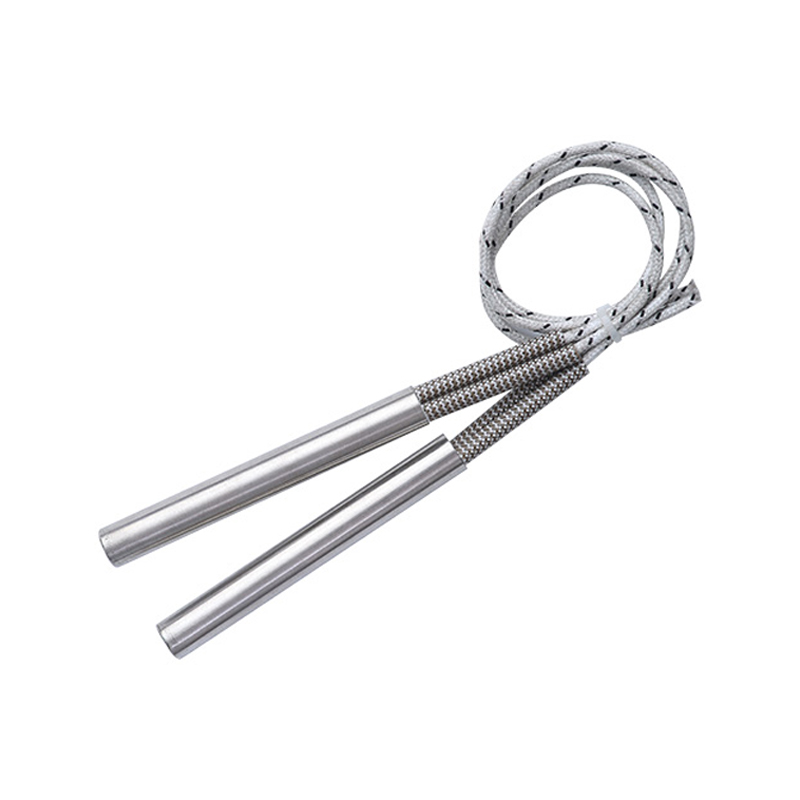
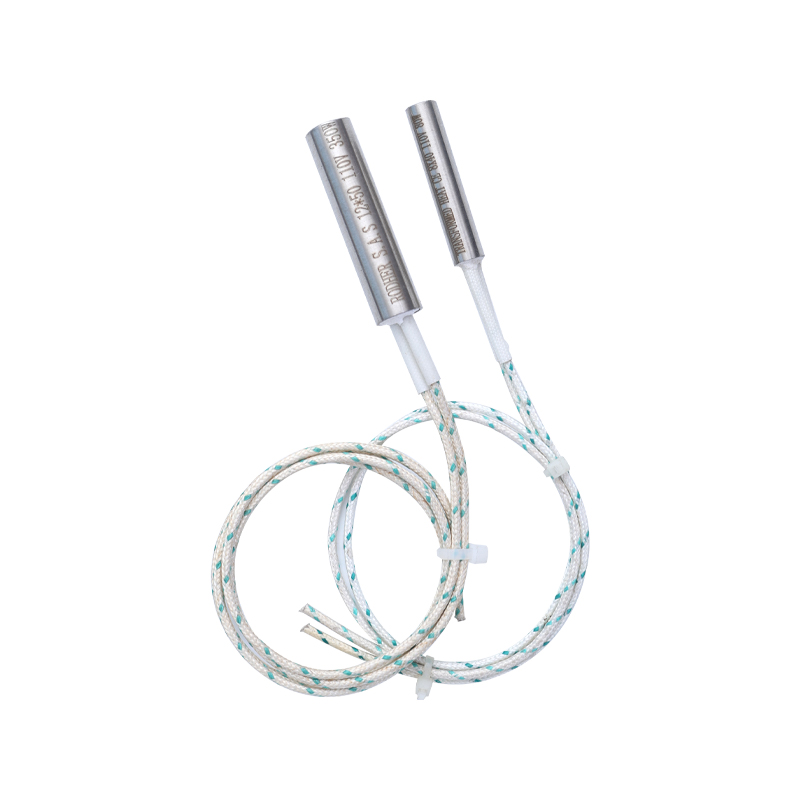
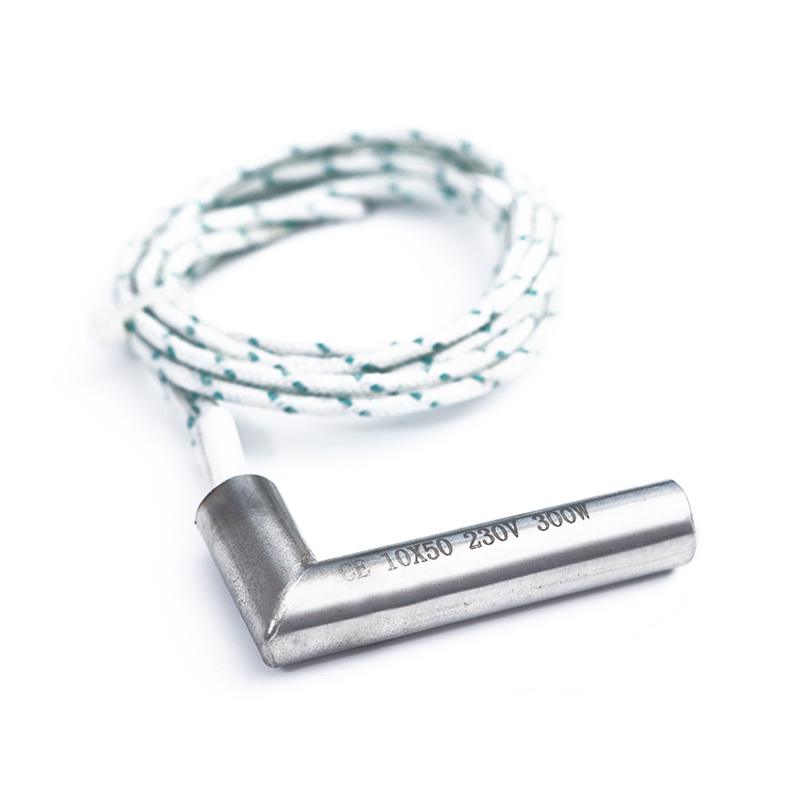
Custom Ceramic Infrared Tube Heater for Efficient Radiant HeatingThis compact ceramic infrared heater delivers instant, energy-efficient warmth through direct radiant transfer. Its durable design suits workshops, garages, and greenhouses, and pairs well with quality reflectors.View Product →Infrared radiant heating wins when the product is thin, coated, or continuously moving; convection wins when the part is thick, irregular, or bare high-reflectance metal.
| Criterion | Convection oven | Infrared radiant tunnel |
| Warm-up time | 10-30 minutes | 30-120 seconds |
| Energy to product | 40-60 % | 80-90 % |
| Floor space | Long oven | 50-70 % shorter line |
| Coating quality | Solvent pooling risk | Uniform outside-in drying |
| Bare metal parts | Heated regardless | Stay cold if polished |
| Maintenance | Fans, filters, ducts | Reflector cleaning, tube replacement |
Plants converting a powder coating line from convection to medium-wave infrared report 30-50 % lower energy per part and a harder, glossier surface. You stop paying to heat tonnes of oven steel and air just to warm a thin coating layer.
Plan clearances, shielding, and control before the first tube is energized, because infrared radiation is line-of-sight - a blocked reflector or misplaced part creates a cold spot immediately.
For closed-loop control, a K-type thermocouple at the product exit is the standard arrangement. It measures the actual part temperature and lets the controller trim power before the process drifts out of spec.
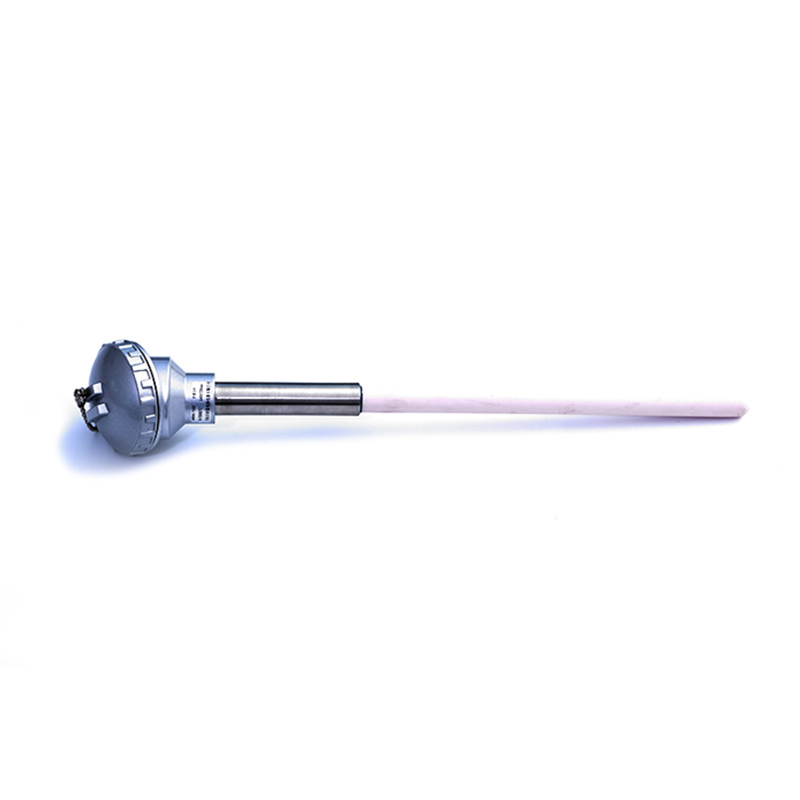 Custom K/E/J/T/N Type Thermocouple for Precision Temperature SensingA versatile thermocouple available in five calibration types for diverse industrial and scientific ranges. Ideal for closed-loop control, offering reliable readings and customizable options to match your process.View Product →
With correct watt density and stable voltage, a ceramic infrared tube heater typically runs for 8,000-15,000 hours. Overvoltage, excess watt density, and a dirty reflector are the fastest ways to shorten that life.
Yes. Medium-wave ceramic tubes cure powder coating in 4-8 minutes because the coating absorbs the radiation directly. Flat parts cure fully in an infrared-only tunnel; deep or heavy parts may need a convection-assist section.
For PET, ABS, and polypropylene sheet, use 2.5-4 W/cm² with a medium-wave emitter and adjust the distance to control preheat time. Start low and raise power only if the sheet forms too slowly.
They require correct voltage, rated wiring, and per-zone switching. Most industrial tubes run on 220 V, 230 V, or 380 V single- or three-phase; use high-temperature lead protection and a properly sized contactor or solid-state relay.
Infrared tube heater selection comes down to wavelength, watt density, and line integration, not just wattage. If you are redesigning a drying or curing station, the engineering team at Xinghua Yading Electric Heating Element Co., Ltd. (Yading Electric), a China-based heating element manufacturer, can calculate the required tube length, power per zone, and control layout. Contact the engineering team with your line speed, part dimensions, and target temperature. Yading Electric has manufactured electric heating elements for more than 30 years, with an annual capacity above 500,000 pieces and exports to more than 25 countries.
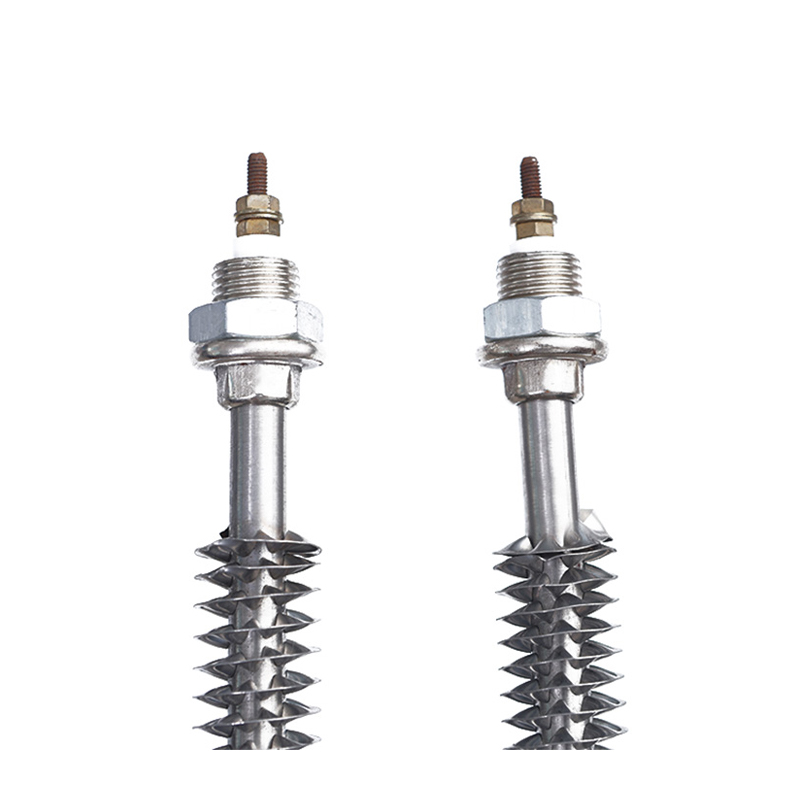
Finned Heating Element Design: Watt Density, Materials, and Airflow Selection
Oct 28,2026
No previous article
Jan 01,1970Your email address will not be published. Required fields are marked *