

 English
 русский
 عربى
عربى
Product Consultation
Your email address will not be published. Required fields are marked *
An engineer refits a paint-curing tunnel by replacing short-wave quartz tubes with a ceramic infrared tube heater rated at 6 W/cm², and the first difference shows on thin plastic parts: edges no longer scorch because the emitting surface stays at 500-600 °C instead of spiking above 900 °C. The second difference shows on the power meter. Long-wave radiation in the 2-10 μm band is absorbed by resin, water, and polymer films far more effectively than short-wave energy, so more input power ends up in the product and less is lost to the oven air. This guide covers how a ceramic infrared tube heater is built, which specifications decide performance, and how to match one to a production line.
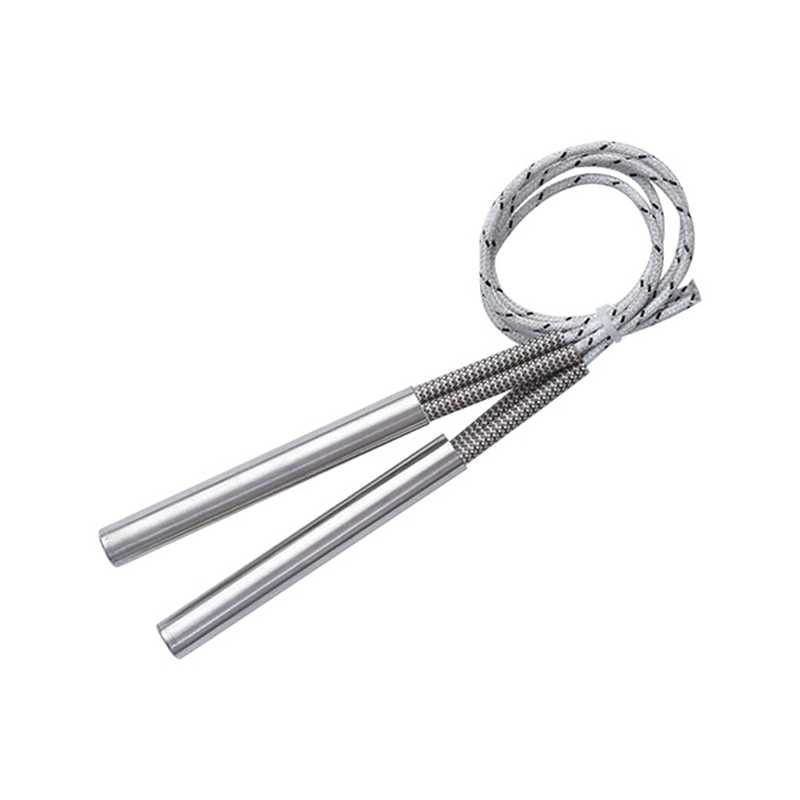
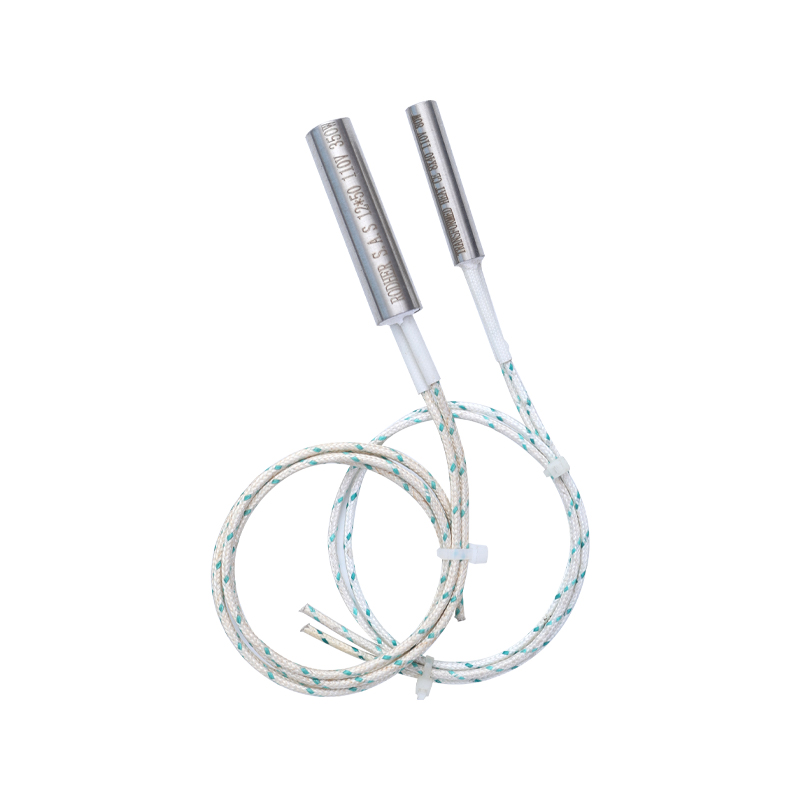
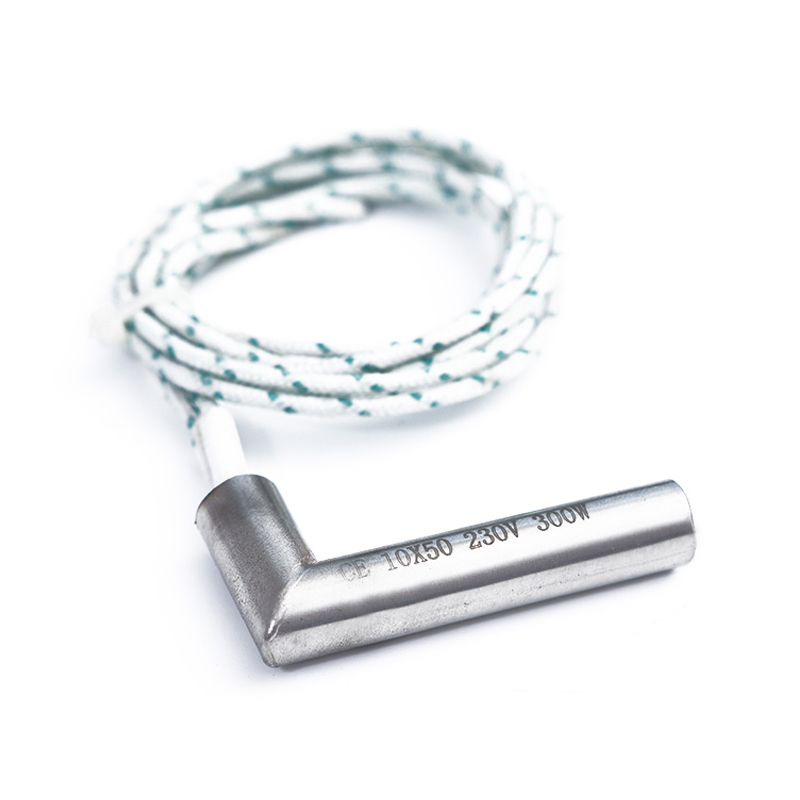
A ceramic infrared tube heater is an electric heating element with a resistance wire embedded in a fired ceramic body that radiates long-wave infrared directly to a product surface instead of heating the surrounding air.
The construction is simple. A nickel-chromium resistance wire is wound inside a ceramic matrix, usually alumina-based, and fired so the ceramic becomes a rigid radiator. High-temperature leads connect both ends to the control panel; when current flows, the wire heats the ceramic and the ceramic surface becomes the emitting face.
Definition: radiant efficiency is the share of electrical input that leaves the heater as infrared radiation. Ceramic emitters typically convert 60-75% of input into radiation at normal operating temperatures, which is why wavelength matching changes drying results at identical kilowatt ratings.
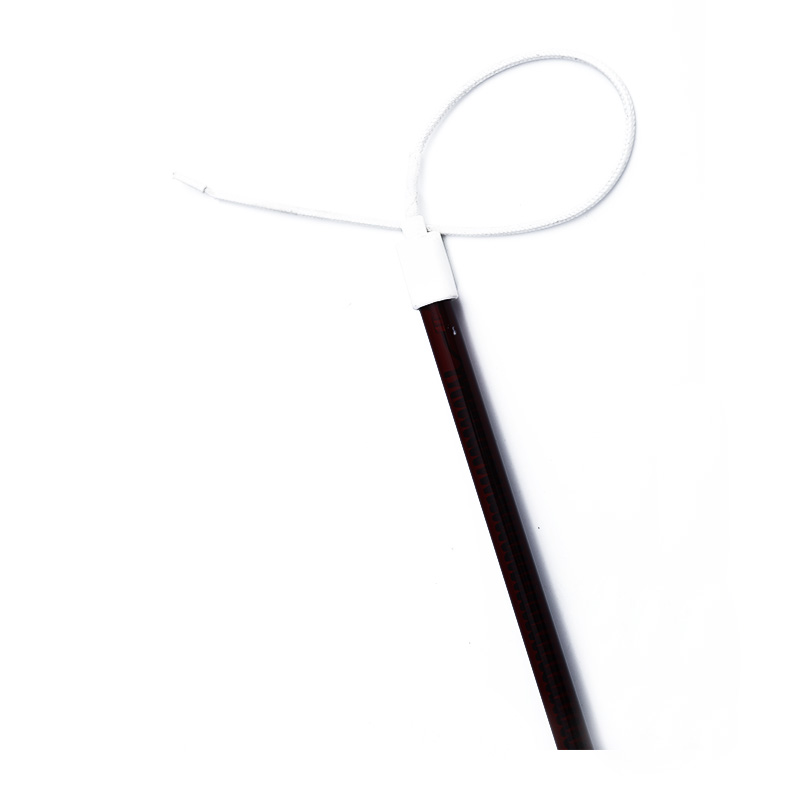
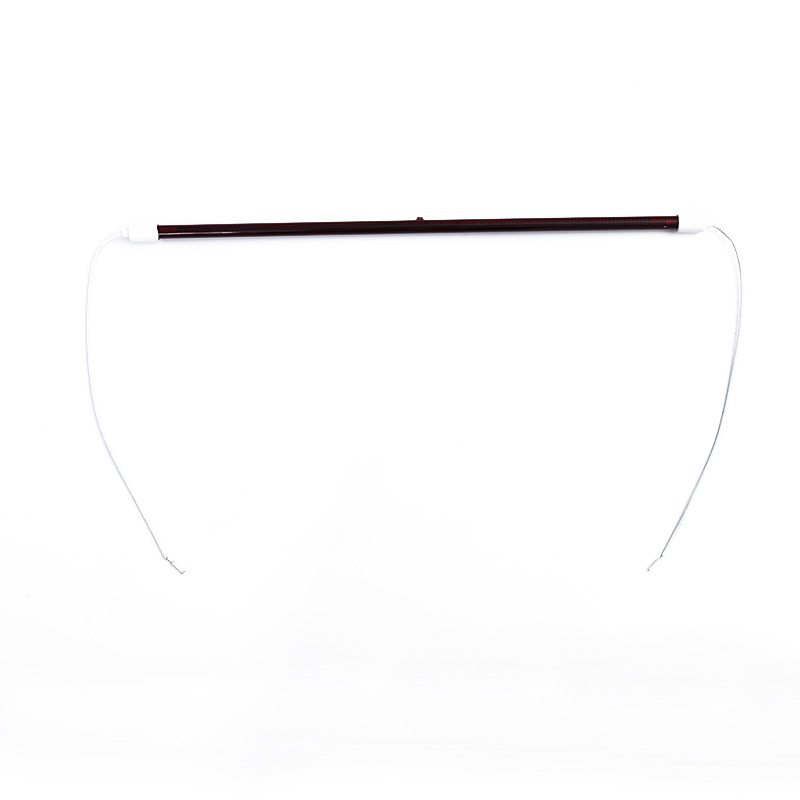 Ceramic Infrared Tube Heater for Focused Industrial WarmingThis heater converts up to 75% of input into infrared radiation, heating objects directly for quick warmth. Its durable ceramic element suits workshops and greenhouses while supporting wavelength matching for efficient drying.View Product →
Watt density is the first specification to fix because it sets the ceramic surface temperature and therefore the wavelength band the element radiates.
Total wattage only tells you how much power the line draws. Divide that wattage by the active radiating area and you get watt density in W/cm², the number that decides whether the ceramic face idles at 350 °C or glows at 750 °C. The same 1,000 W element can be wound at 3 W/cm² or 9 W/cm², and the two versions are not interchangeable.
| Watt Density | Surface Temperature | Typical Process Match |
| 2-4 W/cm² | 350-450 °C | Textile drying, food dehydration, gentle preheat |
| 4-8 W/cm² | 450-600 °C | Paint curing, thermoforming, ink and adhesive drying |
| 8-12 W/cm² | 600-750 °C | Fast cure on metal parts, thick powder coatings |
After watt density, match the emission band to the material. Water absorbs strongly near 3 μm and between 6-10 μm; polyester and polyamide films absorb well in the 3-8 μm range; epoxy and polyurethane powder coatings accept long-wave radiation without surface skinning. A ceramic element emits across almost exactly this window.
Choose ceramic when the job needs a robust long-wave source with steady surface temperature; choose quartz for fast cycling; choose metal-sheathed elements when the heater must heat air rather than a product surface.
Quartz tubes heat up in seconds, run at 700-950 °C, and emit shorter wavelengths, but the glass is fragile and high surface temperature spoils heat-sensitive products. A ceramic tube takes the opposite trade: slower to respond, but mechanically robust and thermally stable. Metal-sheathed tubes are a different tool altogether, built for air-heating ducts and ovens. For a fuller treatment of emission bands, read about short-wave, medium-wave, and long-wave types.
| Parameter | Ceramic Infrared Tube | Quartz Tube | Metal-Sheathed Tube |
| Dominant emission | Long-wave 2-10 μm | Short- and medium-wave | Mostly convective |
| Surface response | Slow, steady | Fast | Slow |
| Mechanical robustness | High | Low | High |
| Typical surface range | 400-750 °C | 700-950 °C | 300-600 °C |
| Best target materials | Coatings, plastics, water-based products | Fast webs, glass, metal | Airflow, ovens, drying tunnels |
The strongest measurable payback comes from replacing convective ovens or short-wave tubes on products that absorb long-wave radiation efficiently.
Common confirmed applications include:
Typical retrofit result: a 12-meter thermoforming oven converted from forced convection to three zoned ceramic infrared rows reached process temperature in 12-15 minutes instead of 25 and cut trim-warp rejects by more than half in plant reports.
The most common premature failures of ceramic infrared tube heaters are mechanical impact, blocked airflow, overvoltage, and broken temperature feedback.
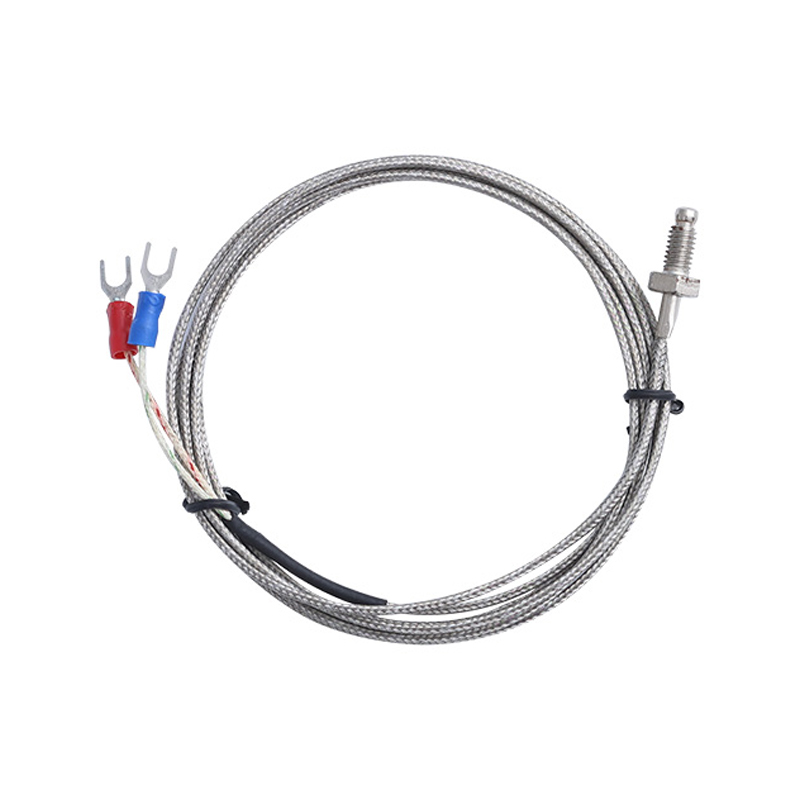
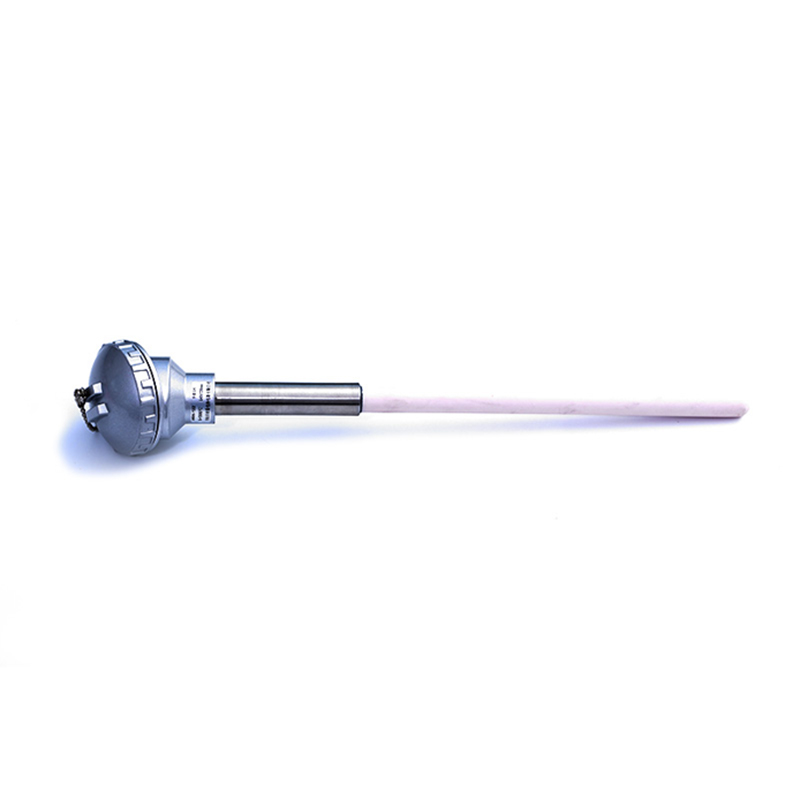 K/E/J/T/N Type Thermocouple for Temperature FeedbackAccurate temperature readings are essential because overvoltage can halve emitter life. These thermocouple types cover ranges from -200°C to 1300°C, helping monitor heater conditions and prevent premature failures.View Product →
Voltage rule: a 10% supply overvoltage raises element wattage by 21% because power scales with the square of voltage. That extra heat accelerates wire oxidation and can halve emitter life, so check voltage at the terminals during commissioning.
Inside the specified watt-density window, a ceramic element typically runs 10,000-20,000 hours. Below 500 °C surface temperature, life sits near the upper end; sustained operation above 700 °C pushes it toward the lower end. Because radiating area, length, and lead exit change with every machine, most purchasers buy custom-built emitters. Xinghua Yading Electric Heating Element Co., Ltd., known as Yading, has manufactured electric heating elements for 30 years with annual capacity above 500,000 pieces, and supplies ceramic infrared tube heaters in custom lengths, watt densities, and lead styles. The element drawing, not the catalog page, is the real specification document.
Ceramic emitters operate at 400-750 °C, radiate mainly at 2-10 μm, weigh more, and respond in minutes. Quartz tubes operate at 700-950 °C, emit shorter wavelengths, respond in seconds, and are mechanically fragile. Pick ceramic for steady long-wave heating of coatings, plastics, and moisture removal; pick quartz only when fast cycling outweighs robustness.
Begin at 4-8 W/cm² for solvent-based or waterborne paint on steel and aluminum. Choose 8-12 W/cm² for thick powder coating or fast line speed, and drop to 2-4 W/cm² for thin plastic or PVC substrates. Verify the actual surface temperature with a thermocouple during commissioning, because coating thickness and line speed change the effective heat load.
Yes, custom configurations are standard for line rebuilds. Length, watt density, lead exit direction, and mounting brackets are defined against the actual heater zone. Send the machine drawings and supply voltage to the manufacturer, and the element layout is confirmed before production. This is the normal order process for industrial spares and retrofits.
Under correct watt density, stable voltage, and regular reflector maintenance, expect 10,000-20,000 hours. Surface temperatures above 700 °C, frequent on-off cycling, and overvoltage shorten that window. Typical failure is a slow output drop or an open resistance wire.
Ceramic Infrared Heater Buying Guide: Wavelength, Watt Density, Lifespan
Oct 07,2026
No previous article
Jan 01,1970Your email address will not be published. Required fields are marked *