

 English
 русский
 عربى
عربى
Product Consultation
Your email address will not be published. Required fields are marked *
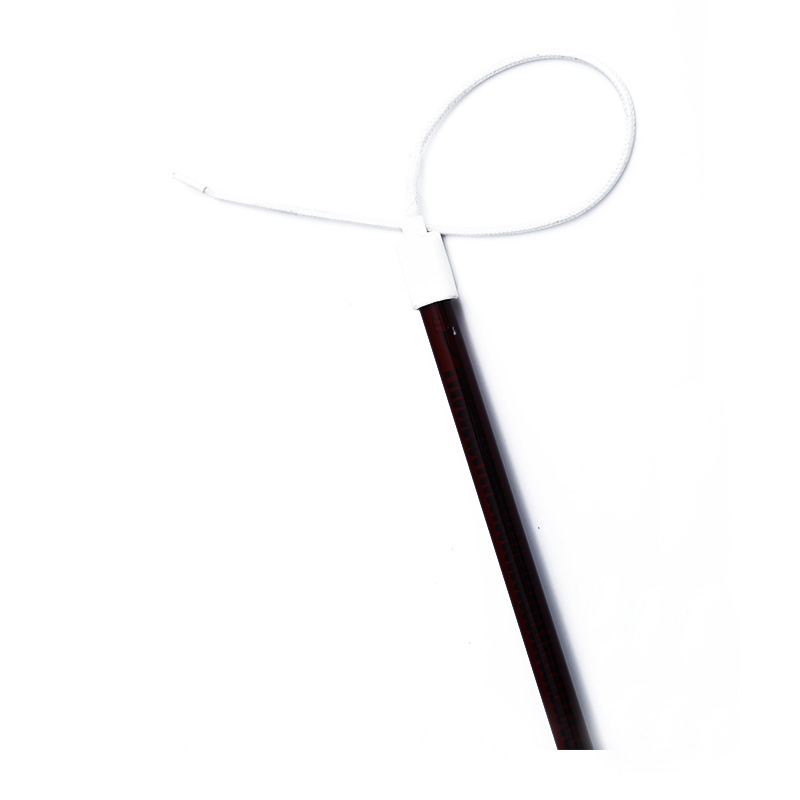
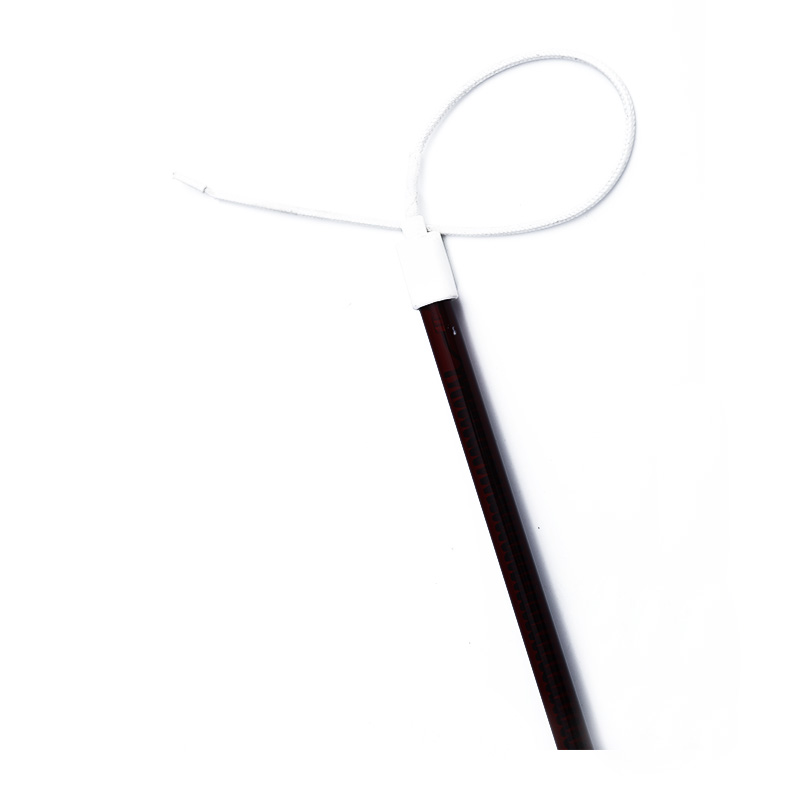
Infrared heater elements are core heat-generating components that convert electrical energy into infrared radiation, achieving targeted, high-efficiency heating without relying on air convection. They feature fast thermal response, low energy loss, and stable long-term operation, making them widely used in industrial heating, residential heating, drying, curing, and medical thermal therapy. Their performance mainly depends on material selection, structural design, and working environment matching, and reasonable selection and maintenance can significantly extend service life and improve overall heating efficiency.
Unlike traditional convection heaters that heat air first, infrared heater elements generate infrared electromagnetic waves through internal resistance heating. These waves propagate directly in space and are absorbed by objects and human bodies, converting radiant energy into heat energy. This direct heating method greatly reduces heat loss caused by air flow.
After being energised, the resistance material inside the element generates heat under the action of current. As the temperature rises, the internal molecular motion intensifies, releasing infrared radiation. The wavelength of this radiation is mostly within a specific range, which can be absorbed by most solid surfaces, resulting in a rapid temperature rise.
Infrared radiation travels in straight lines and can be focused, reflected, or scattered through structural design. This allows heating to be accurately directed to designated areas, avoiding ineffective heating of the surrounding environment. In high-space factories or outdoor local heating scenarios, this advantage is particularly obvious compared with convection heating.
The material of infrared heater elements directly determines temperature resistance, radiation efficiency, service life, and application scope. Different materials correspond to different working temperatures and environmental adaptability, and users need to select according to actual working conditions.
Metal-based infrared elements use alloys with high melting points and stable resistance as heating bodies. They have good mechanical strength, fast temperature rise, and strong impact resistance, making them suitable for frequent switching and vibration environments. Their normal operating temperature can maintain a high level for a long time, with stable performance and low ageing speed.
Ceramic materials have excellent infrared radiation performance and high temperature oxidation resistance. They can maintain structural stability at high temperatures and are not easy to deform or corrode. Ceramic elements usually provide uniform radiation, making them ideal for drying, curing, and large-area constant temperature heating.
Quartz tube infrared elements have high light transmittance and thermal stability, with fast thermal response and almost no thermal inertia. They can quickly reach the rated temperature after power-on and cool down rapidly after power-off, making them suitable for equipment requiring precise temperature control and intermittent operation.
| Element Type | Thermal Response | Service Life | Application Environment |
|---|---|---|---|
| Metal Alloy | Medium | Long | Industrial, Vibration Conditions |
| Ceramic | Slow | Longer | Drying, Curing, Stable Environment |
| Quartz Tube | Fast | Medium | Precision Heating, Household Use |
Infrared heater elements have gradually replaced some traditional heating methods in many fields due to their unique performance advantages. The following are the core advantages supported by practical application effects.
Since heat is transferred in the form of radiation, most energy is directly used to heat objects rather than air. Energy utilisation rate is significantly higher than that of conventional convection heaters, reducing energy waste in ventilation and air flow. In industrial production lines, this can directly lower production energy costs.
Many infrared elements can reach the working temperature within a short time after power-on, without long preheating. This is critical for assembly line operations, equipment startup, and temporary local heating, improving production efficiency and operational flexibility.
Through reflector design and arrangement combination, infrared radiation can be accurately projected to a specific area, achieving local precise heating. This not only improves the heating effect but also avoids temperature rise in non-target areas, making the whole system more energy-saving and environmentally friendly.
High-quality infrared heater elements have stable internal structures and are not easily affected by oxidation or corrosion under normal working conditions. They have no vulnerable moving parts, so daily maintenance is simple, and their service life can last for a long time with correct use.
Infrared heater elements are versatile and can adapt to different temperature requirements and environmental conditions, covering industrial production, civil life, medical treatment, and other fields.
In coating, printing, textile, plastic processing and other industries, infrared elements are used for surface drying, ink curing, and moisture removal. Uniform radiation ensures consistent product quality, and high efficiency shortens processing cycles, widely used in continuous production lines.
In metal processing, food baking, and thermal forming, infrared elements provide stable high-temperature environments. They can be arranged in multiple groups to achieve large-area or regional heating, with easy temperature adjustment and high control accuracy.
Indoor heaters, outdoor patio heaters, bathroom heating equipment, etc., often use infrared elements. They provide comfortable human-body heating without air drying or dust blowing, creating a comfortable living and working environment.
Specific wavelength infrared radiation has a thermal therapy effect, promoting blood circulation and relieving muscle soreness. Infrared elements in medical physiotherapy instruments strictly control wavelength and temperature to ensure safety and effectiveness.
The actual performance of infrared heater elements is not only related to material and design but also affected by usage methods, environment, and matching parameters. Understanding these factors helps optimise usage and extend life.
Long-term operation beyond the rated temperature will accelerate material ageing and internal structure damage, significantly shortening service life. Frequent voltage fluctuations and current overloads can also cause local overheating and damage the heating body.
High humidity, acid, alkali, or oil mist environments may corrode the surface and internal materials of elements, reducing insulation performance and radiation efficiency. Severe corrosion can lead to cracking, open circuits, or short circuits.
Ceramic and quartz elements are brittle and easily damaged under strong vibration or collision. Even metal elements may experience internal wire displacement under long-term vibration, affecting normal heating.
Dust, oil, and residue on the surface block infrared radiation, reducing heating efficiency and causing local overheating. Regular cleaning is necessary to maintain stable performance.
Correct selection is the premise for efficient and stable operation. The following key points should be comprehensively considered based on application scenarios and requirements.
Installation should ensure firm fixation to reduce vibration; keep a safe distance between elements and flammable materials to avoid overheating risks. Wiring should be standardised with good contact to prevent poor connections from causing local overheating.
Regularly clean surface dust and dirt without using corrosive cleaners. Inspect for cracks, deformation, or discolouration; damaged elements should be replaced promptly to avoid affecting the whole system.
Use voltage stabilisers when necessary to avoid frequent switching under high-temperature conditions. Try to maintain continuous operation within the rated range to reduce thermal stress damage caused by repeated cooling and heating.
With the development of materials science and energy-saving technology, infrared heater elements are constantly evolving towards higher efficiency, intelligence, and longer life.
New composite materials will further improve radiation efficiency and high-temperature resistance, reducing energy consumption. Intelligent integration with temperature sensors and automatic control systems will realise real-time adjustment and precise control, adapting to automated production.
In terms of environmental protection, elements will adopt more eco-friendly materials and production processes, complying with energy consumption and emission standards. Miniaturised and flexible structural designs will expand applications in precision instruments, medical equipment, and smart home scenarios.
In summary, infrared heater elements, as core heating components, will continue to play an important role in various fields. In-depth understanding of their principles, characteristics, and maintenance methods helps maximise performance, improve energy efficiency, and reduce operating costs.
How to choose a heater for packaging machinery to save energy and improve efficiency?
Apr 08,2026
Can You Prevent Heating Coil Short Circuits? Essential Safety Rules You Must Know
Apr 22,2026Your email address will not be published. Required fields are marked *