

 English
 русский
 عربى
عربى
Product Consultation
Your email address will not be published. Required fields are marked *
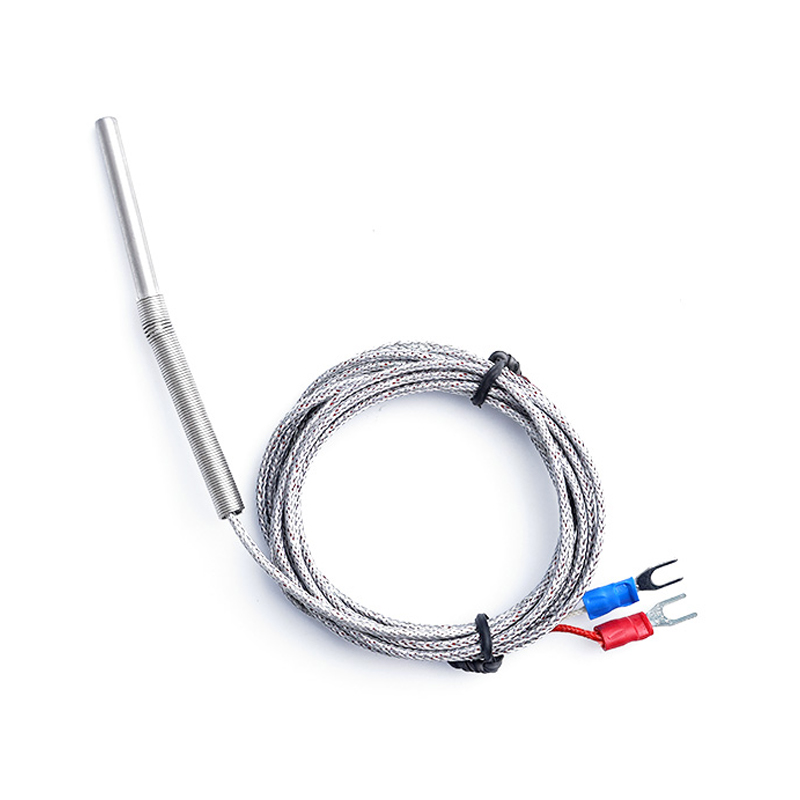
Versatile thermocouples are the most adaptable and widely utilized temperature sensors in industrial and scientific environments because they can accurately measure extreme temperature ranges while maintaining ruggedness, rapid response times, and cost-effectiveness. Unlike other temperature measurement devices that are limited by specific environmental constraints or narrow thermal ranges, the versatile thermocouple thrives across diverse applications. Whether exposed to the cryogenic cold of liquid nitrogen or the intense heat of industrial incinerators, these sensors provide reliable data. Their self-powered nature, generated by the Seebeck effect, eliminates the need for external excitation, making them inherently safer and easier to deploy in complex systems. This unique combination of durability, simplicity, and broad measurement capability makes them the definitive choice for engineers and technicians worldwide.
Understanding why a thermocouple is so versatile requires a deep dive into its fundamental operating mechanism. A thermocouple consists of two dissimilar metals joined together at one end, forming a junction. When this junction experiences a change in temperature, it produces a voltage due to the thermoelectric effect, specifically known as the Seebeck effect. This voltage is proportional to the temperature difference between the joined end (the measuring junction) and the other ends (the reference junction). The generated voltage is entirely self-sustained, meaning the sensor requires no external power supply to function.
The magnitude of the voltage depends entirely on the types of metals used. By carefully selecting different metal combinations, manufacturers can create thermocouples tailored for specific temperature ranges, atmospheric conditions, and sensitivity requirements. This inherent flexibility in material selection is the primary reason why the thermocouple design is considered universally versatile. The signal can be interpreted by standard instrumentation, translating millivolt readings into precise temperature data.
The versatility of thermocouples is best exemplified by the wide array of standardized types available, each designated by a letter. Each type utilizes a specific alloy combination, resulting in unique performance characteristics suited for different environments.
| Thermocouple Type | Positive Leg | Negative Leg | Best Environment |
|---|---|---|---|
| K | Chromel | Alumel | Clean oxidizing |
| J | Iron | Constantan | Reducing / Vacuum |
| T | Copper | Constantan | Cryogenic / Moist |
| S/R/B | Platinum/Rhodium | Platinum/Rhodium | Extreme high heat |
The practical application of versatile thermocouples spans nearly every major industry. Their ability to be customized through different sheathing materials, such as stainless steel or Inconel, allows them to survive chemically aggressive or physically abrasive settings.
In the metallurgical industry, monitoring the temperature of molten metal and heat-treating furnaces is critical. Thermocouples are routinely inserted directly into harsh furnace environments where temperatures easily exceed the operational limits of other sensor types. Noble metal thermocouples are specifically utilized here to prevent sensor degradation during prolonged exposure to intense heat. Accurate temperature control ensures the structural integrity of the final metal products, preventing brittleness or weakness caused by improper thermal cycling.
Chemical reactions are highly sensitive to temperature fluctuations. In petroleum refining and chemical synthesis, versatile thermocouples monitor reactor vessels, distillation columns, and piping systems. They are often enclosed in protective thermowells, which shield the sensor from corrosive fluids while still allowing rapid heat transfer. Their reliability prevents catastrophic thermal runaway scenarios, ensuring the safety of plant personnel and surrounding communities.
In sectors where hygiene is paramount, thermocouples are deployed in clean-in-place systems and sterilization autoclaves. Penetration-style thermocouples are frequently used to verify the core temperature of packaged goods, ensuring that all pathogens have been neutralized. The rapid response time of fine-gauge thermocouple wire allows quality assurance teams to obtain immediate readings, maintaining high throughput without sacrificing safety standards.
While Resistance Temperature Detectors (RTDs) and thermistors are viable alternatives for certain tasks, the versatile thermocouple holds distinct advantages that cement its dominance. Thermocouples possess an unparalleled temperature measurement span, capable of operating in ranges where RTDs and thermistors would simply fail or melt.
Cost is another massive differentiator. Because thermocouples are constructed from common metal alloys rather than requiring precisely wound platinum wire, they are significantly less expensive to manufacture. This allows engineers to install multiple sensor points across a large facility without exceeding budget constraints.
Furthermore, the rugged construction of a thermocouple makes it highly resistant to mechanical shock and vibration. In heavy industrial settings where machinery vibrates intensely, delicate RTD elements can fracture. A thermocouple, particularly one with a grounded junction, can withstand these harsh physical stresses while continuing to transmit accurate temperature data. Their small footprint also allows them to be installed in confined spaces where bulkier sensors cannot fit.
Despite their numerous benefits, versatile thermocouples are not without limitations. Recognizing these challenges is essential for implementing effective mitigation strategies.
To fully leverage the capabilities of a versatile thermocouple, proper installation and ongoing maintenance are mandatory. Even the highest quality sensor will underperform if deployed incorrectly.
Implementing a proactive replacement schedule is often more cost-effective than attempting to recalibrate heavily degraded sensors. By adhering to these practical steps, technicians can maximize sensor lifespan and ensure continuous data integrity across their operations.
The fundamental physics of the thermocouple remains unchanged, but the technology surrounding it continues to evolve. The integration of smart transmitters directly at the measurement point is a rapidly growing trend. These intelligent devices amplify the low-level thermocouple signal into a robust digital protocol, completely negating the electrical noise issues that plagued legacy analog systems.
Advancements in nanotechnology and material sciences are also pushing the boundaries. Researchers are developing thin-film thermocouples that can be deposited directly onto engine components or turbine blades. This allows for surface temperature measurements with unprecedented spatial resolution and practically zero thermal mass. As industries push toward greater automation and more extreme operational parameters, the versatile thermocouple will undoubtedly adapt, maintaining its status as the cornerstone of temperature measurement.
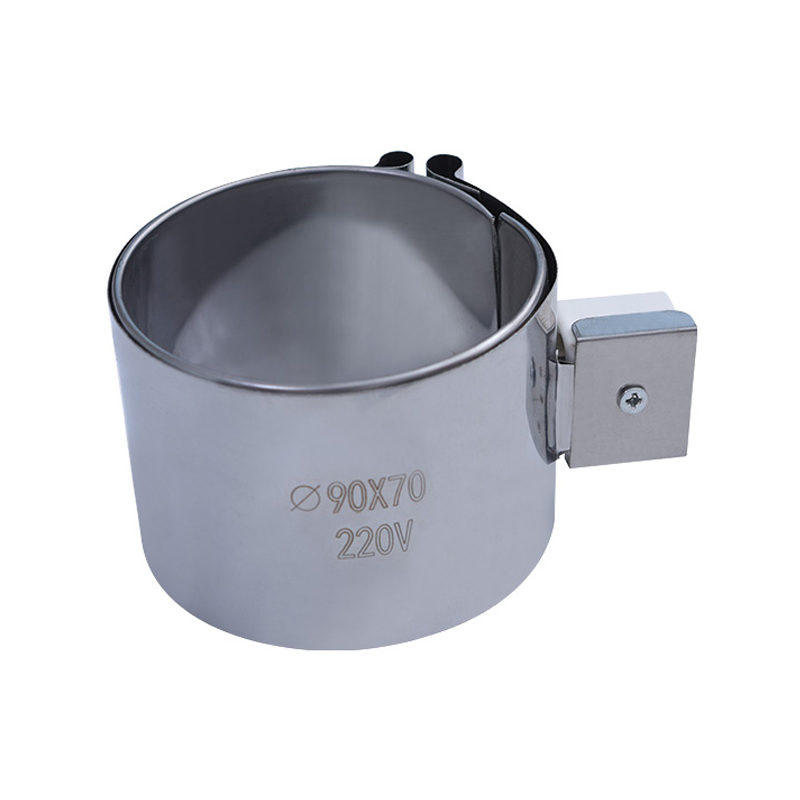
How to choose suitable stainless band heater for production equipment?
May 15,2026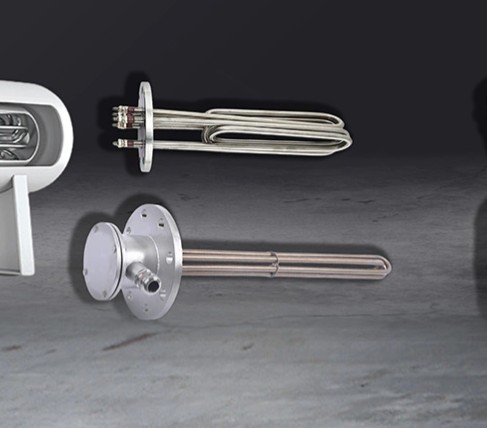
How to select a qualified electric heating element for different working environments?
Jun 01,2026Your email address will not be published. Required fields are marked *