

 English
 русский
 عربى
عربى
Product Consultation
Your email address will not be published. Required fields are marked *
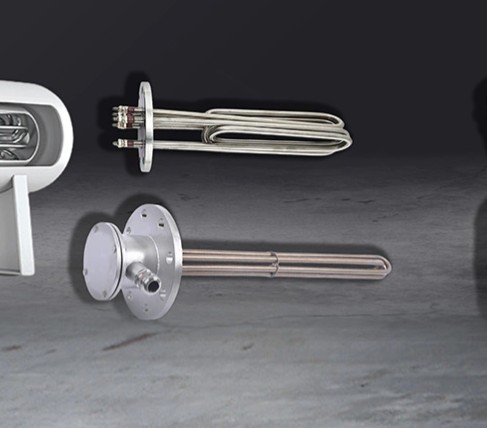
An electric heating element is a core component that converts electrical energy into thermal energy efficiently and stably, and it has become an indispensable basic part in modern industrial production and daily life. The energy conversion efficiency of high-quality electric heating elements can reach more than 90%, which means almost all input electric energy can be converted into heat energy with extremely low energy loss. This component is not limited by fuel and environmental conditions, and can realize precise temperature control, fast heating response, and long service life, so it is widely used in household appliances, industrial equipment, automotive systems, aerospace and other fields.
The performance of an electric heating element directly determines the heating efficiency, service life and safety of the entire equipment. Different structural forms, resistance materials and manufacturing processes make heating elements show great differences in high temperature resistance, corrosion resistance, power density and application scenarios. Correct selection, installation and maintenance can not only give full play to the performance of heating elements, but also effectively reduce failure rates and operating costs.
The working principle of electric heating elements is based on the Joule heating effect, a basic physical phenomenon that has been widely used in industrial and civil heating fields for hundreds of years. When current passes through a conductor with specific resistance, the free electrons in the conductor collide violently with atoms and molecules, and the friction and impact generated in this process convert electrical energy into thermal energy, which is released in the form of heat.
The heating effect of an electric heating element is jointly determined by three core parameters: resistance value, applied voltage and working current. According to Joule's law, the calorific value is proportional to the square of the current, the resistance of the conductor and the power-on time. This means that by adjusting the resistance material and structural design, the heating power and temperature of the element can be accurately controlled to meet the needs of different scenarios.
In the actual design process, manufacturers will select appropriate resistance materials according to the target heating temperature and service environment. High-resistance alloy materials can generate sufficient heat under low current, which not only ensures safety but also improves energy utilization efficiency. At the same time, the insulation and heat conduction design of the heating element will directly affect the heat transfer efficiency and service safety, which are the key links in the manufacturing process.
The selection of resistance materials is the core of electric heating element manufacturing, and different materials have obvious differences in high temperature resistance, oxidation resistance, corrosion resistance and service life. The following are the most widely used material types in the market, covering almost all conventional and special application scenarios.
Nickel-chromium alloy is the most commonly used heating material in medium and high temperature electric heating elements. It has excellent oxidation resistance and high temperature stability, and can work stably for a long time in an environment of 1000°C to 1200°C. This material has low resistivity temperature coefficient, small resistance change during heating, uniform heating, and strong plasticity, which is suitable for making various shapes of heating elements such as strips, wires and tubes.
Iron-chromium-aluminum alloy has higher high temperature resistance than nickel-chromium alloy, and the long-term service temperature can reach 1300°C, with lower production cost. It has excellent oxidation resistance in high temperature air environment, and is widely used in industrial high temperature furnaces, electric ovens and other equipment. The disadvantage is that the material is more brittle at high temperature, and it is necessary to avoid collision and vibration during installation and use.
Ceramic heating materials are suitable for ultra-high temperature and strong corrosion environments, with good insulation and heat resistance. PTC materials have a constant temperature heating function, the temperature will automatically stabilize after reaching the set value, no additional temperature control device is required, and it is safe and energy-saving, mainly used in household constant temperature heating equipment such as hair dryers and heaters.
Electric heating elements are designed into different structures according to application scenarios, heating methods and installation requirements. Each structural form has unique performance advantages and scope of application, which can meet the diversified heating needs of different industries.
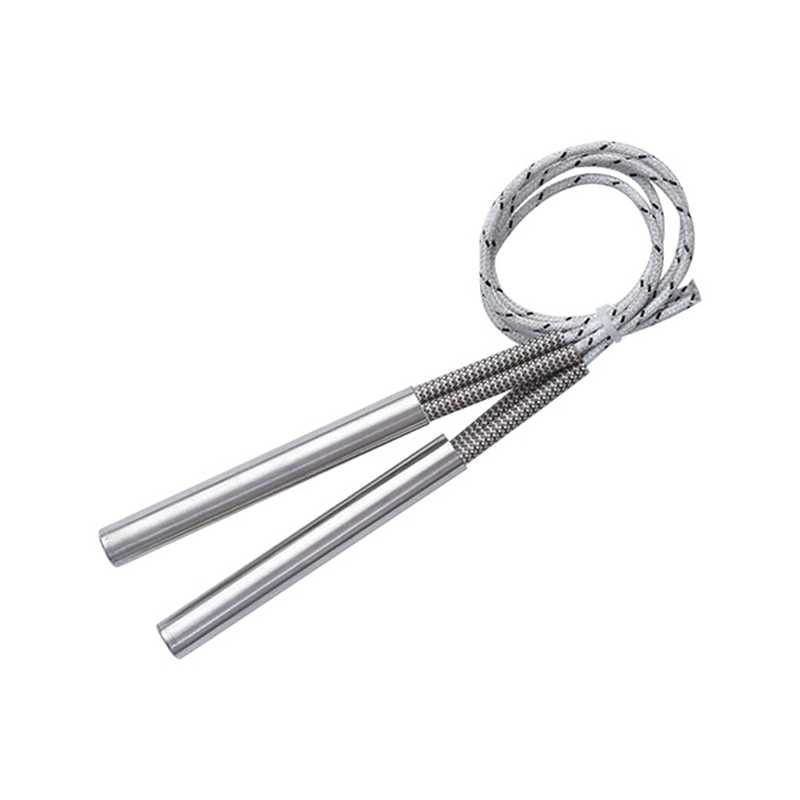
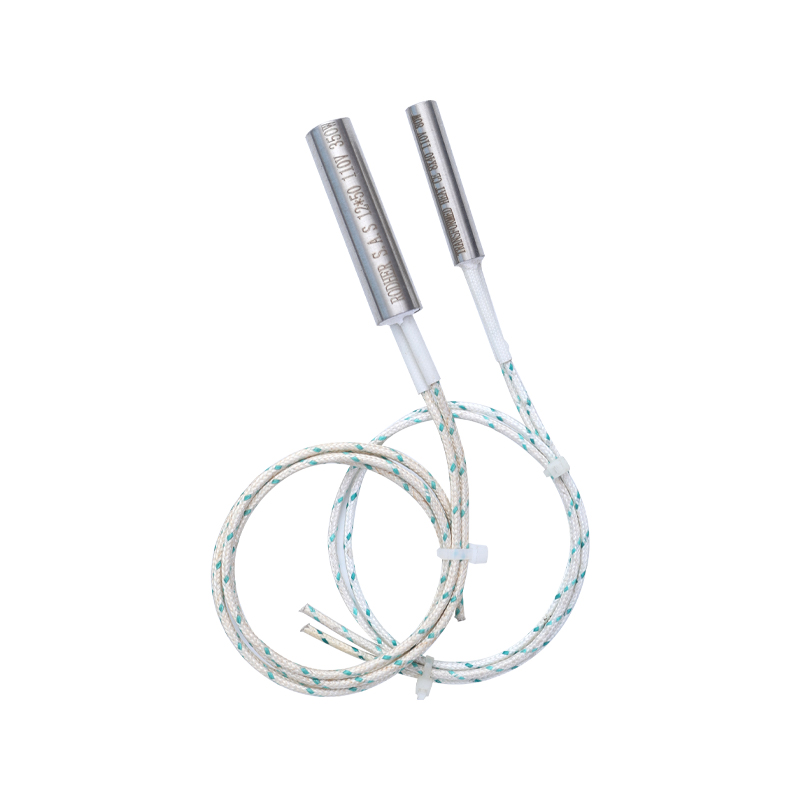
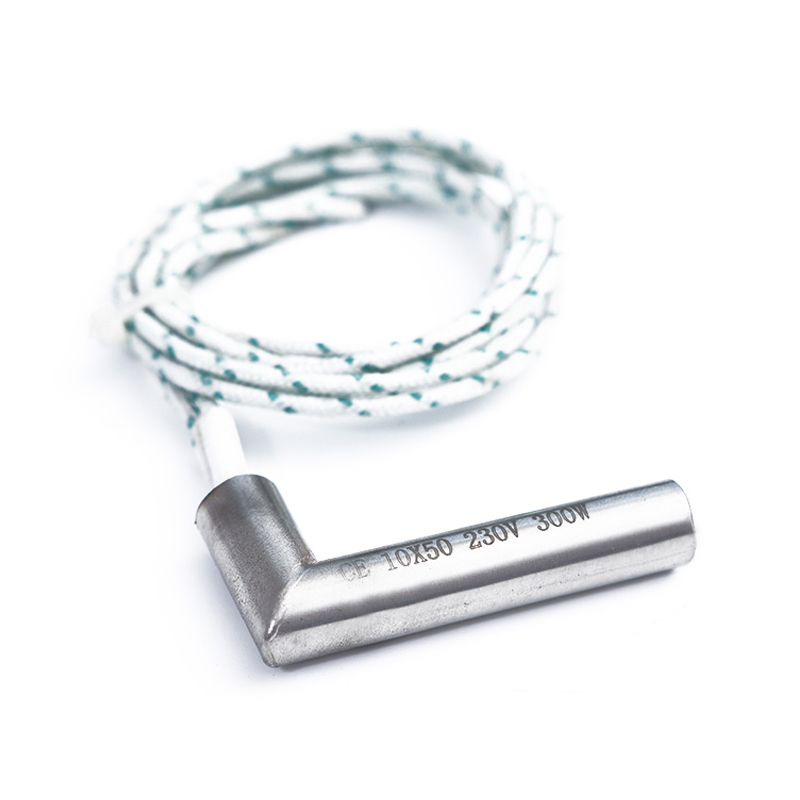
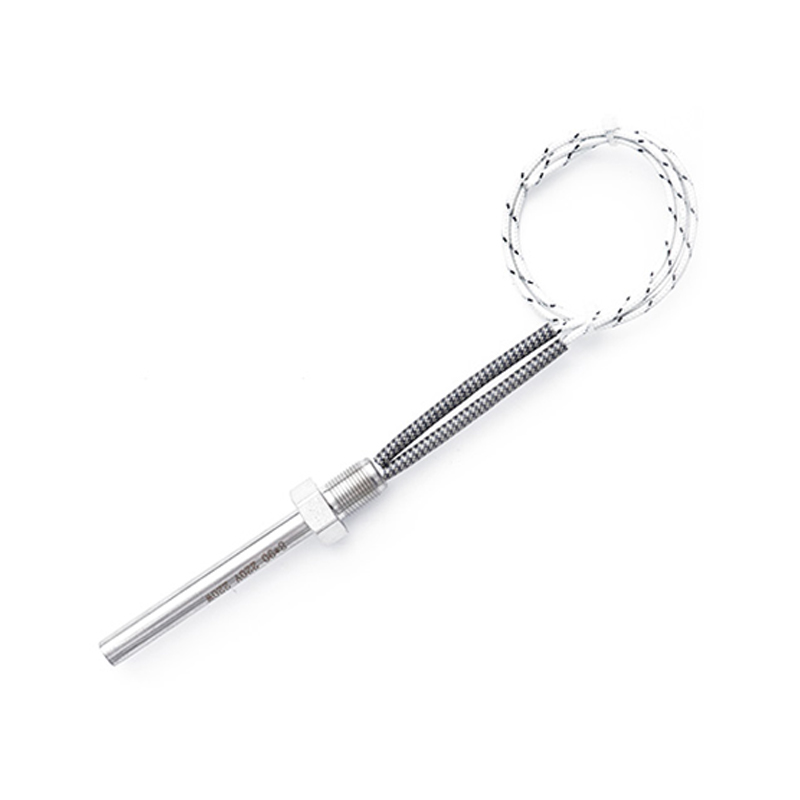
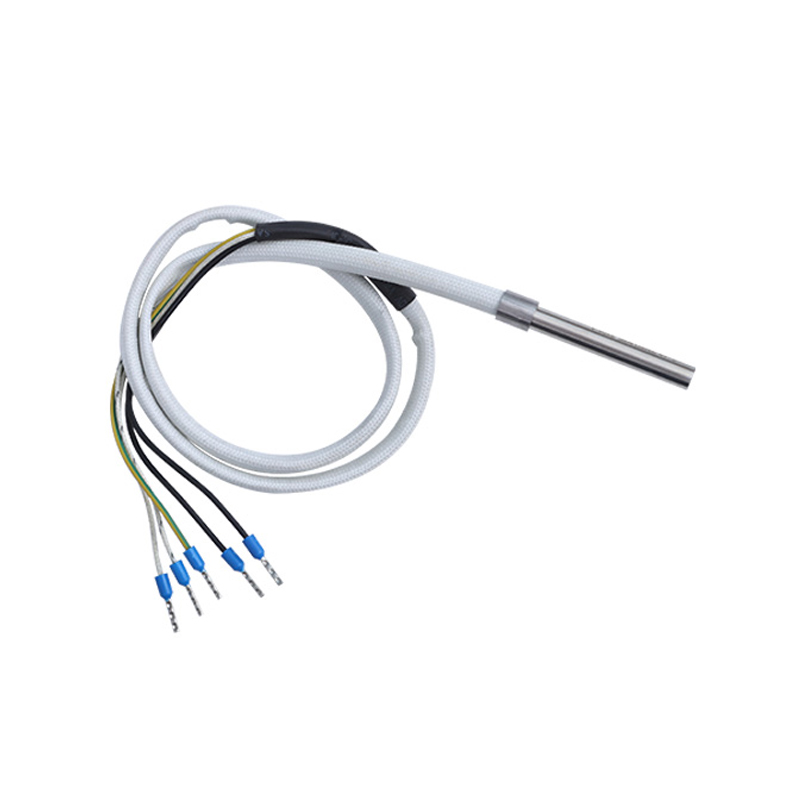
Tubular heating elements are the most widely used structural form, consisting of resistance wires, insulated magnesium oxide powder and metal outer tubes. They have good sealing, waterproof and anti-corrosion properties, and can heat air, water, oil and other media. They are widely used in water heaters, electric kettles, industrial water tanks and other equipment, with simple structure, convenient replacement and long service life.
Strip and plate heating elements have a large heating area and fast heat transfer speed, suitable for plane heating and air heating scenarios. They are often used in electric ovens, microwave ovens, drying boxes and heating equipment, with uniform heating distribution and high power density, which can quickly raise the ambient temperature to the set value.
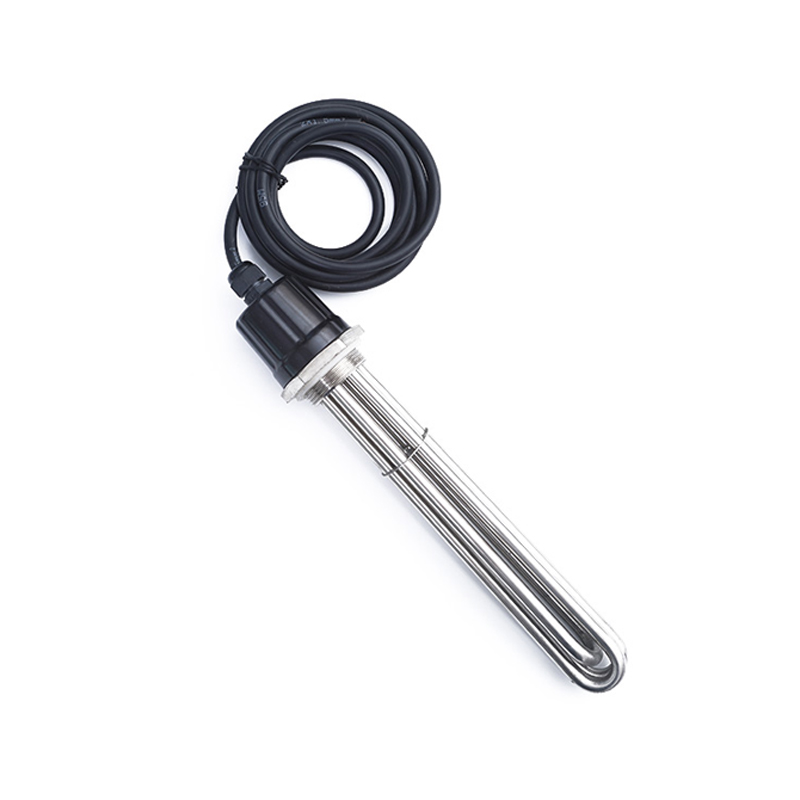
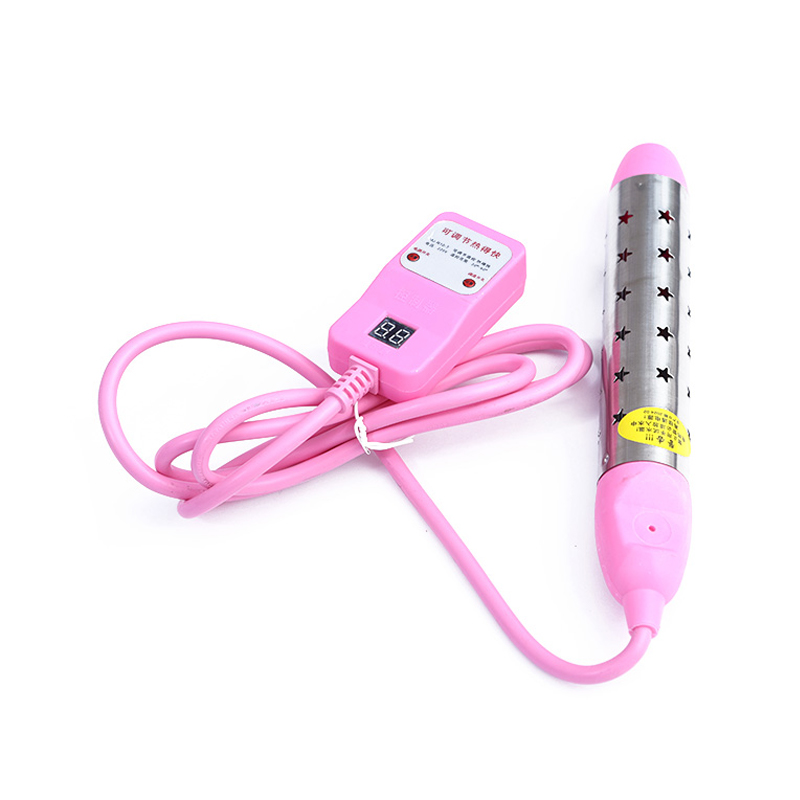
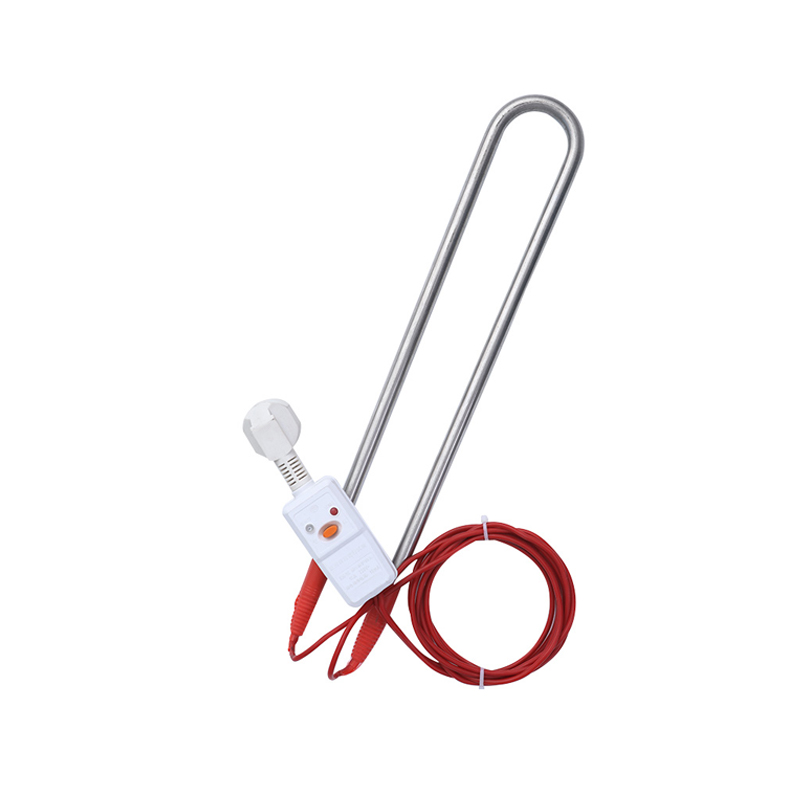
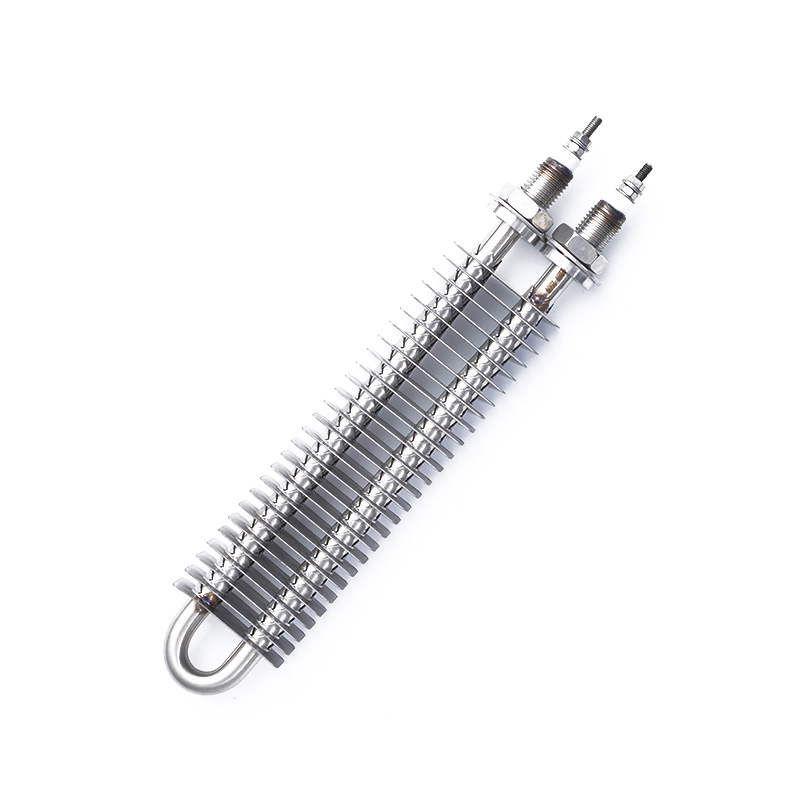
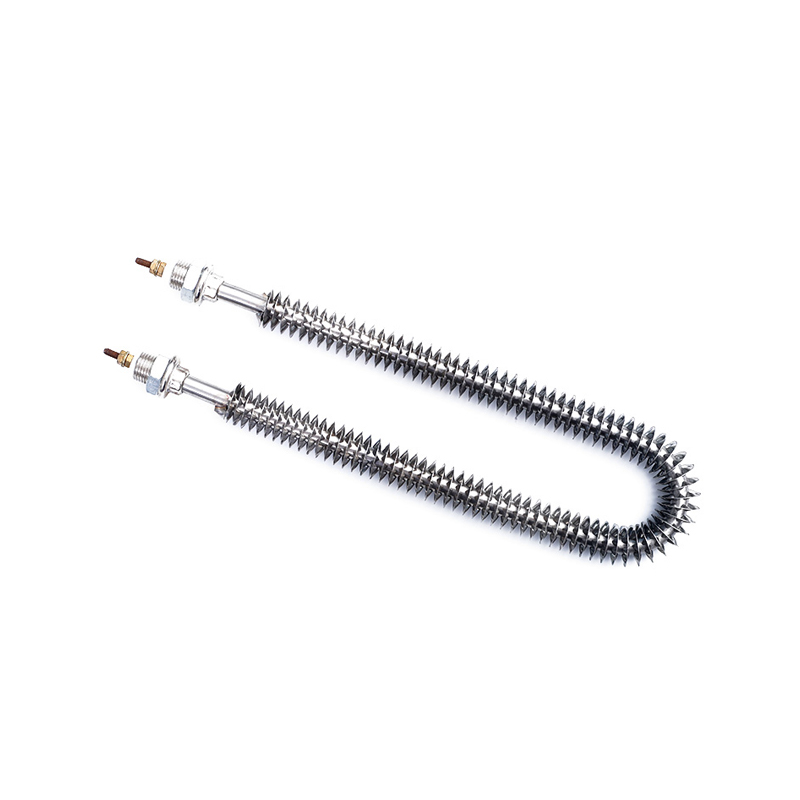
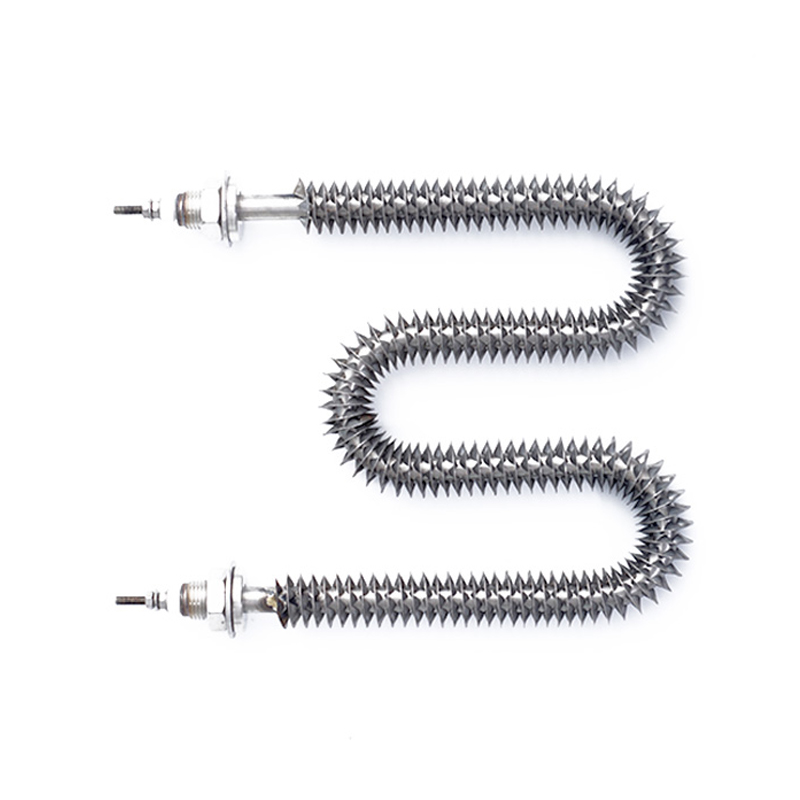
Immersion heating elements are specially used for heating liquid media, with anti-corrosion and anti-scaling design; air heating elements are used for heating gas, with heat dissipation fins to increase the heat exchange area. The two types of elements have targeted structural optimizations to ensure heating efficiency and service life in specific media.
Electric heating elements have penetrated into all aspects of production and life, and their high efficiency, stability and controllability make them irreplaceable in many fields. The following are the main application fields and typical usage scenarios.
This is the most closely related field to daily life, covering almost all household heating equipment. Common water heaters, electric kettles, electric ovens, hair dryers, heaters, rice cookers and other products all rely on electric heating elements to achieve heating functions. The annual demand for electric heating elements in the household appliance industry exceeds billions of units, and the safety and energy-saving performance have strict industry standards.
In industrial production, electric heating elements are used in heating furnaces, drying equipment, plastic molding machines, food processing equipment, chemical reaction kettles and other equipment. They provide stable heat sources for industrial processes, realize precise temperature control, and meet the heating needs of high temperature, high pressure and strong corrosion environments. Industrial-grade heating elements have higher power and longer continuous working life.
In the automotive field, electric heating elements are used for engine preheating, seat heating, defrosting and new energy vehicle battery heating systems. In the aerospace field, they are used for environmental control, equipment heating and anti-icing of aircraft, requiring extremely high stability, seismic resistance and high and low temperature resistance. These special scenarios have put forward stricter requirements on the material and manufacturing process of heating elements.
To help you understand the differences between different types of electric heating elements more intuitively, we have made a performance comparison table covering the core indicators such as service temperature, application scenarios, advantages and disadvantages.
| Heating Element Type | Long-term Service Temperature | Main Application Scenarios | Core Advantages |
|---|---|---|---|
| Nickel-chromium Tubular | 1000°C-1200°C | Water heaters, industrial ovens | Stable performance, good plasticity |
| Iron-chromium-aluminum Strip | 1200°C-1300°C | High temperature furnaces, drying equipment | High temperature resistance, low cost |
| PTC Ceramic | 60°C-280°C | Constant temperature heaters, hair dryers | Constant temperature, energy saving, high safety |
| Ceramic Heating | Above 1400°C | Ultra-high temperature equipment, aerospace | Corrosion resistance, ultra-high temperature resistance |
Correct selection of electric heating elements is the key to ensuring efficient and safe operation of equipment. The selection needs to comprehensively consider multiple factors such as heating medium, target temperature, working environment and service life, and cannot be judged solely by power or price.
The first step in selection is to clarify the heating object: liquid (water, oil, corrosive liquid) or gas (air, special gas), and whether the working environment has corrosion, humidity, high pressure and other characteristics. For corrosive media, it is necessary to select anti-corrosion coated or stainless steel heating elements; for dry environments, ordinary metal structural elements can meet the demand.
According to the required heating temperature and heating speed, calculate the matching power. The power density of the heating element should match the application scenario—excessively high power density will lead to rapid aging and short service life, while too low power will result in slow heating and failure to meet the temperature requirements. For constant temperature demand scenarios, PTC heating elements are the best choice.
Select the appropriate shape and size according to the equipment installation space, such as tubular, plate, strip or special-shaped. At the same time, choose materials and processes with a long service life according to the continuous working time. For equipment that works continuously for a long time, high-performance alloy materials with good high temperature stability should be preferred to reduce the number of replacements and maintenance costs.
Standard installation, correct use and regular maintenance can greatly extend the service life of electric heating elements and avoid potential safety hazards. These links are often overlooked but are crucial to the performance and durability of the elements.
Regularly clean the surface of the heating element to remove scale, oil and dust, which can improve heat transfer efficiency and prevent local overheating. For liquid heating elements, descaling treatment is required regularly, because scale accumulation will seriously affect heat dissipation and shorten the service life. Regular maintenance can extend the service life of heating elements by more than 30%.
Check the insulation performance and wiring terminals regularly. If there is damage, aging or poor contact, replace or repair them immediately. Do not continue to use faulty elements, so as to avoid equipment damage or safety accidents such as electric leakage.
Electric heating elements will have various faults during long-term use, most of which can be quickly judged and solved through simple inspection. Mastering common fault troubleshooting methods can reduce downtime and maintenance costs.
This is the most common fault, mainly caused by circuit breakage, power supply failure or open circuit of the resistance wire. Check whether the power supply is normal, whether the wiring terminals are loose or burnt, and use a multimeter to measure whether the resistance value is normal. If the resistance wire is open circuited, the heating element needs to be replaced directly.
The main reasons are surface scale/dust accumulation, local damage of the element or insufficient power supply. Clean the surface dirt first, check whether the voltage is stable, and if the problem is not solved, it means the element has aged and needs to be replaced with a new one.
Mostly caused by moisture ingress, insulation layer damage or corrosion of the outer tube. Cut off the power immediately for inspection, replace the damaged element, and do not use it with electricity to ensure personal safety.
With the development of material science and intelligent technology, electric heating elements are developing in the direction of higher efficiency, energy saving, intelligence, long life and environmental protection, which will further expand their application fields and improve performance.
New alloy materials and nanometer heating materials are gradually applied, the energy conversion efficiency is approaching the theoretical limit of 100%, and the energy loss is further reduced. The optimized structural design improves the heat transfer speed, reduces the preheating time, and achieves the dual goals of high efficiency and energy saving.
The integration of heating elements with temperature sensors, control chips and communication modules realizes real-time temperature monitoring, automatic adjustment and remote control functions. Intelligent heating elements can automatically adjust power according to environmental changes, which is more energy-saving and user-friendly, and meets the development needs of smart home and intelligent manufacturing.
The manufacturing process uses pollution-free materials and processes, which meet global environmental protection standards. The improvement of corrosion resistance and high temperature resistance materials makes the service life of heating elements longer, reduces the frequency of replacement and waste generation, and conforms to the development concept of green and sustainable development.
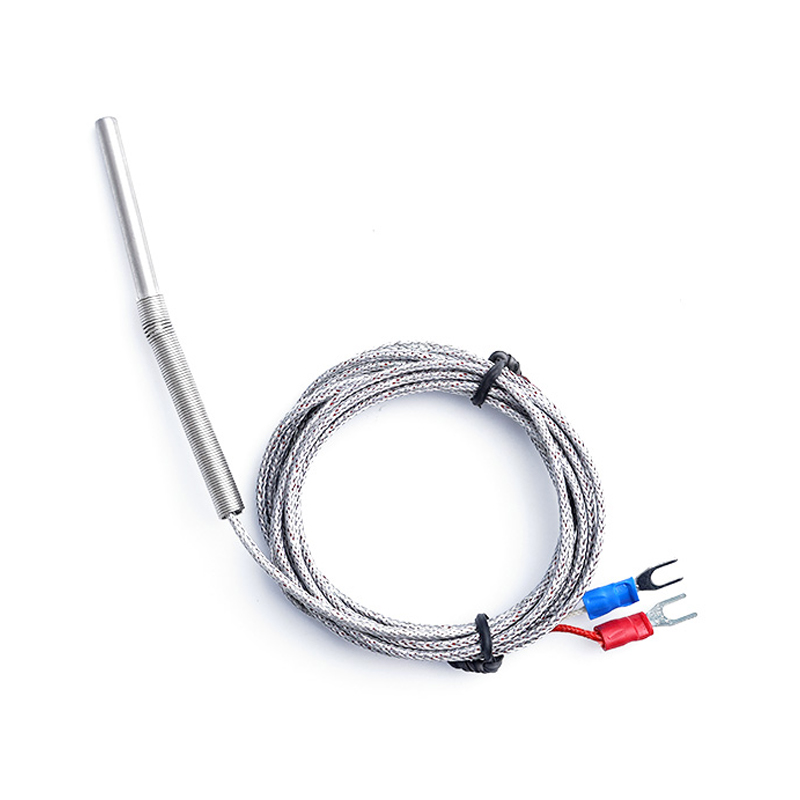
What Makes a Versatile Thermocouple the Best Temperature Sensor?
May 22,2026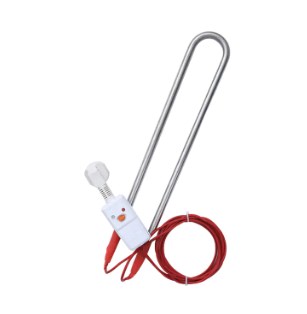
What types of heaters are available for packaging machinery? How to choose between infrared, heating element, and ceramic heating?
Jun 08,2026Your email address will not be published. Required fields are marked *