

 English
 русский
 عربى
عربى

Product Consultation
Your email address will not be published. Required fields are marked *
The heater is the undeniable core component that determines the operational efficiency, seal quality, and overall throughput of packaging machinery. Without precise and reliable thermal management, modern packaging lines would suffer from inconsistent seals, material wastage, and frequent downtime. Selecting the correct heating technology, maintaining it properly, and understanding its interaction with packaging materials are the fundamental pillars for achieving high-speed, uninterrupted production. Whether the application involves sealing plastic pouches, shrinking sleeve labels, or forming rigid containers, the thermal system must deliver consistent heat transfer to ensure structural integrity and aesthetic appeal. As the packaging industry moves toward sustainable materials and faster line speeds, the role of advanced heating solutions becomes even more critical, demanding higher precision and better energy efficiency from every heating element deployed on the factory floor.
In the context of packaging machinery, heat is not merely a supplementary function; it is the primary mechanism through which many packaging materials are manipulated, sealed, and finalized. Thermoplastic materials, which constitute the vast majority of flexible packaging, rely on heat to transition from a solid state to a pliable or molten state. When two layers of a polymer film are heated to their specific melting point and subsequently pressed together, their molecular chains intertwine. Upon cooling, these chains crystallize and lock together, forming a hermetic seal that protects the product from oxygen, moisture, and contamination. A variance of just a few degrees can be the difference between a perfect hermetic seal and a catastrophic failure. Beyond simple sealing, heaters are integral to shrinking films tightly around products for tamper evidence and bundle packing, as well as softening thick plastic sheets for thermoforming trays and clamshells. The thermal dynamics involved require heaters that can ramp up quickly, maintain set points without fluctuation, and distribute heat evenly across the entire sealing surface to prevent localized weak spots.
Packaging machinery utilizes a diverse array of heating technologies, each engineered for specific thermal conduction methods, spatial constraints, and operational demands. Selecting the appropriate type is essential for optimizing machine performance.
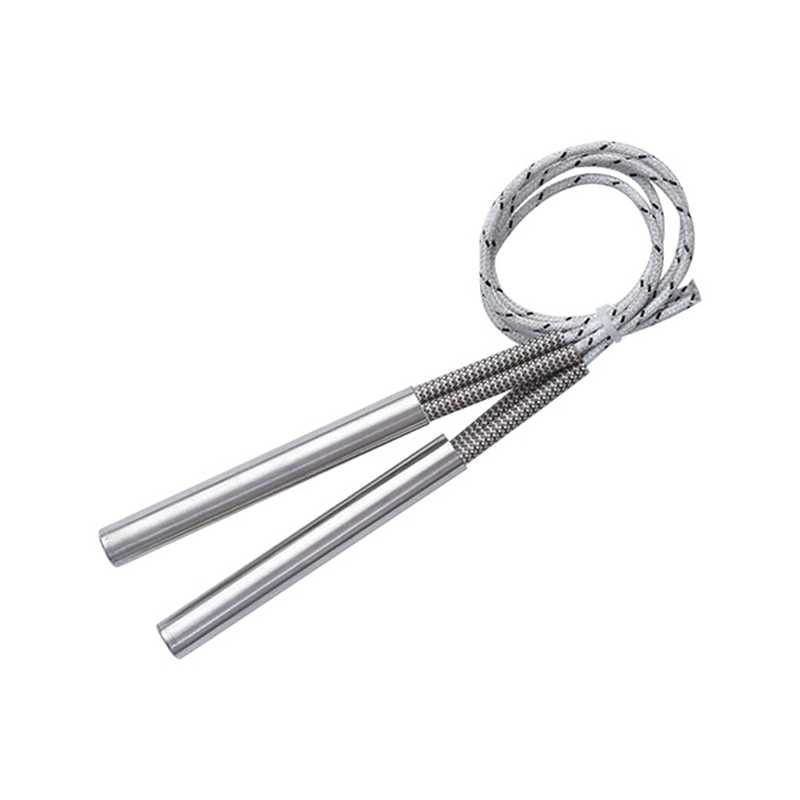
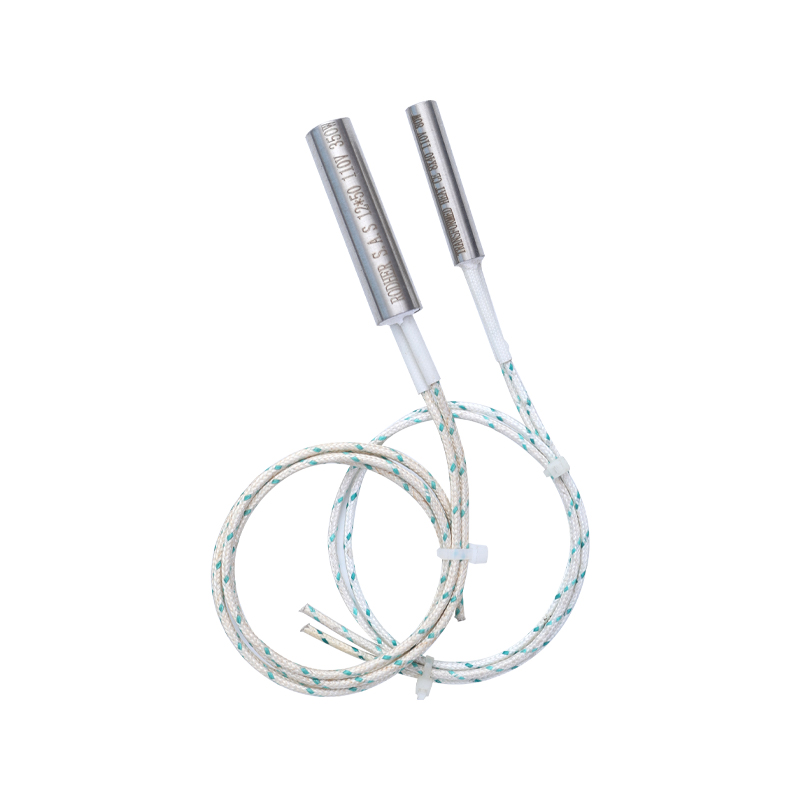
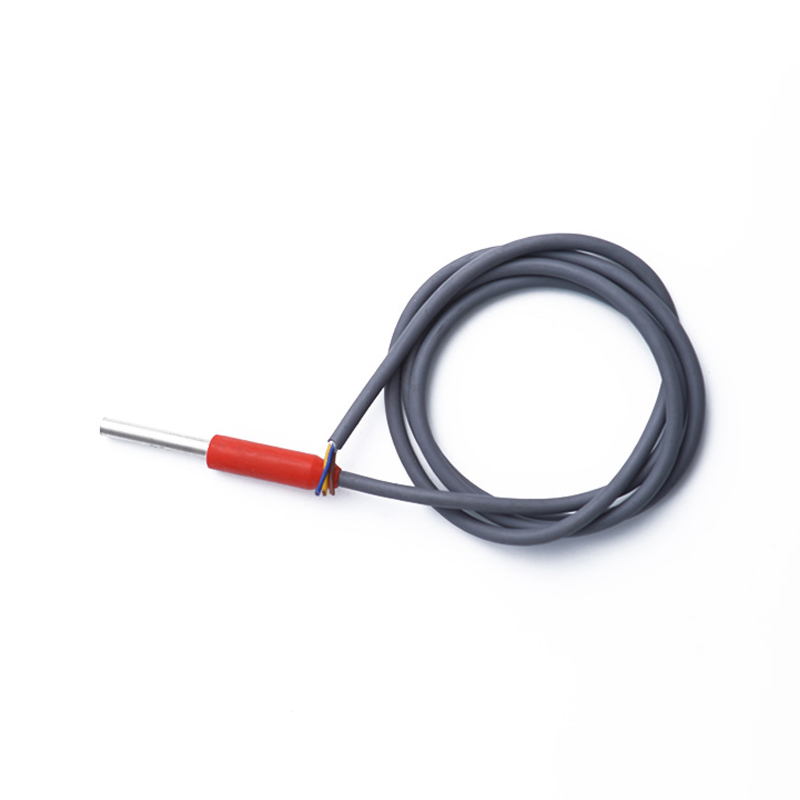
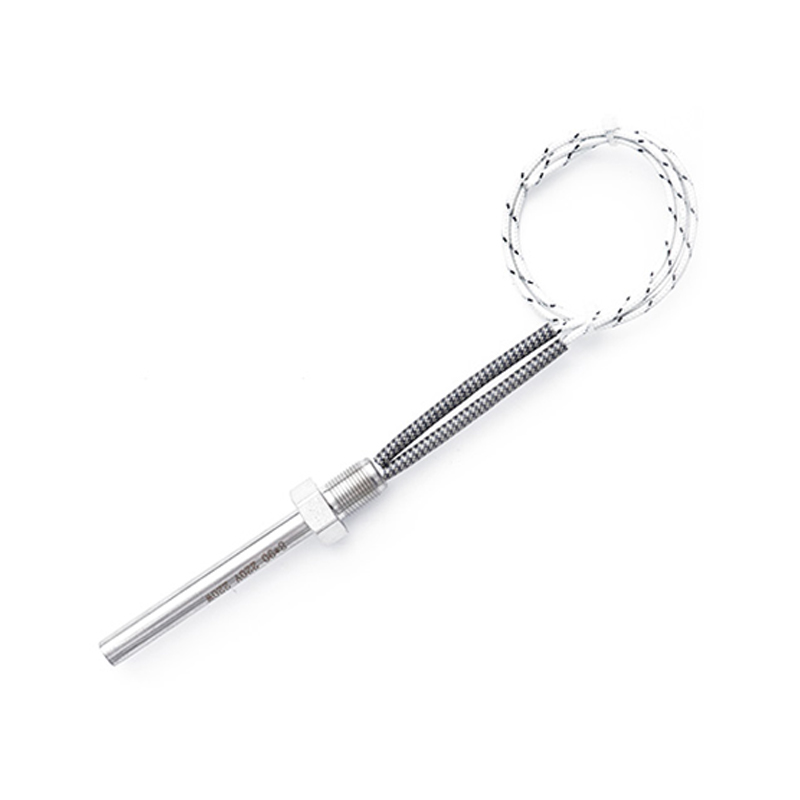
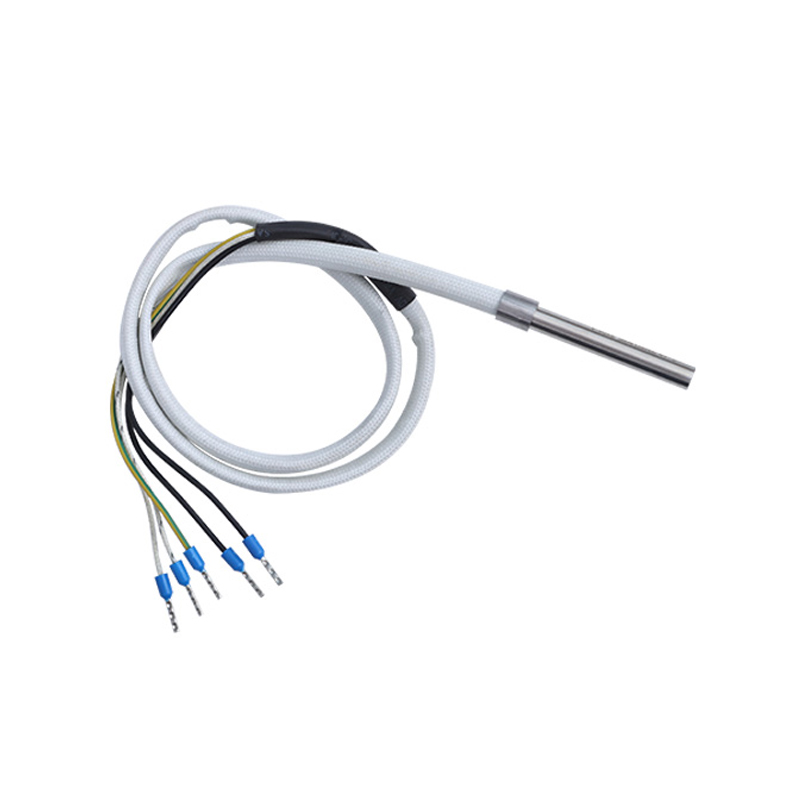
Cartridge heaters are cylindrical heating elements designed to be inserted into drilled holes in metal bars or blocks. In packaging machinery, they are predominantly used in constant-heat sealing jaws, rotary seal wheels, and hot runner nozzles. High-density cartridge heaters are capable of achieving very high watt densities, allowing them to reach elevated temperatures rapidly. Their construction typically involves a nickel-chromium resistance wire wound around a ceramic core, encased in a stainless steel sheath. The internal resistance wire is insulated with magnesium oxide, which provides excellent thermal conductivity and electrical insulation. For packaging applications, maximizing the surface contact between the cartridge heater and the surrounding metal block is vital; any air gaps result in poor heat transfer, localized overheating, and premature heater failure.
Band heaters are circular or contoured heating devices that clamp around the exterior of barrels, nozzles, or cylindrical dies. They are the standard heating solution for extrusion packaging processes, such as blown film lines and extrusion laminating machines, where plastic pellets must be melted into a homogeneous viscous fluid. Modern band heaters often feature mica or ceramic insulation. Mica band heaters offer thin profiles and efficient heat transfer for moderate temperatures, while ceramic band heaters feature an interlocking design that traps air inside, acting as superior insulation to reduce heat loss and withstand higher processing temperatures. The clamping mechanism is critical; as the heater expands during operation, the band must maintain tight contact with the barrel to ensure continuous thermal efficiency.
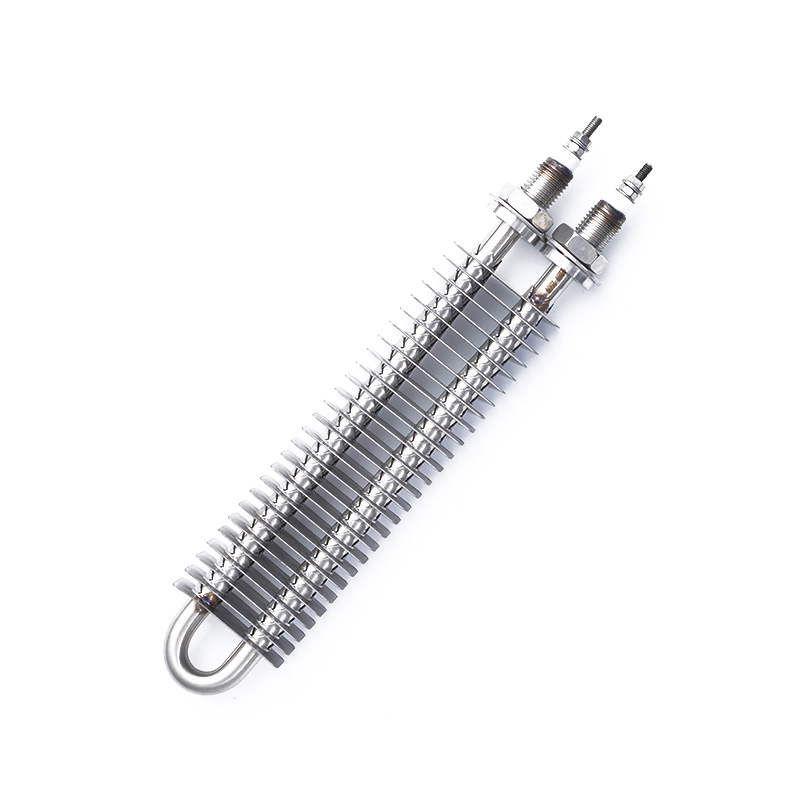
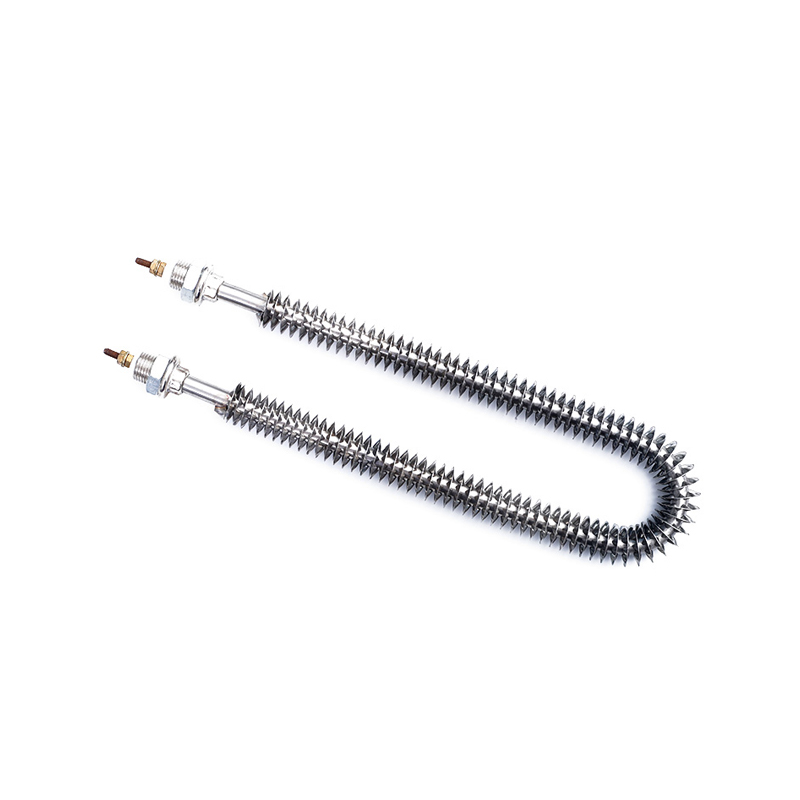
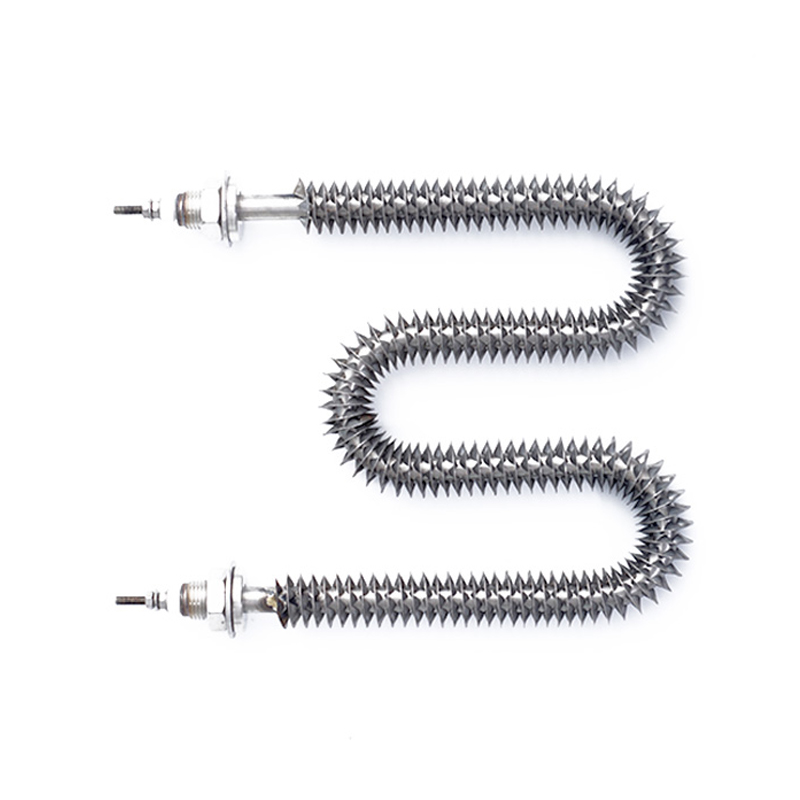
Strip heaters are flat, rectangular heating elements commonly used for convection heating or contact surface heating. In packaging, they are often mounted beneath conveyor belts or platens to create large heated zones for shrinking tunnels or tray forming. Tubular heaters, which consist of a resistance coil embedded in magnesium oxide and enclosed in a metal sheath, can be formed into virtually any shape. They are highly durable and frequently utilized in shrink-wrap tunnels, where they radiate heat to shrink plastic film tightly around products. Their robust construction makes them resistant to mechanical shock and vibration, ensuring longevity in high-throughput packaging environments.
Infrared heaters represent a non-contact heating methodology that is increasingly popular in packaging. Instead of heating a metal surface that then contacts the film, infrared emitters project electromagnetic radiation directly into the packaging film. The film absorbs this radiation, causing its molecular structure to vibrate and generate heat internally. This method allows for extremely rapid heating cycles without the need for warm-up times associated with massive metal blocks. Infrared heating is particularly advantageous for delicate or thin films that might distort under the pressure of traditional sealing jaws. Medium-wave infrared heaters are often used for thicker packaging materials requiring deeper heat penetration, while short-wave heaters provide near-instantaneous heat for high-speed surface sealing.
Choosing the optimal heating element requires a comprehensive evaluation of the packaging process, the materials involved, and the physical constraints of the machine. An improperly selected heater leads to chronic operational issues and excessive energy consumption.
The required operating temperature dictates the fundamental choice of heater construction. Watt density, defined as the wattage distributed per unit of surface area, is a crucial metric. Packaging applications requiring high temperatures—such as sealing thick polypropylene or polyester films—demand heaters with high watt density. However, applying a high watt-density heater to a heat-sensitive material like thin polyethylene will cause the film to melt away or burn. It is imperative to match the watt density to the thermal mass of the sealing bar and the specific melt index of the packaging film. Furthermore, integrated thermocouples are essential; placing a thermocouple inside the heater or as close to the working surface as possible ensures the control system receives accurate feedback, preventing thermal overshoot.
Different packaging materials possess varying thermal properties, including specific heat capacities, thermal conductivities, and melting points. A heater configuration that excels at sealing laminated aluminum foil pouches will fail when tasked with shrinking polyolefin film. For example, sealing foil laminates often requires lower temperatures but higher pressure, whereas shrinking films require high temperatures distributed over a large, open area. The heater must be capable of delivering heat at the precise rate the material absorbs it. If the heater delivers heat faster than the material can conduct it away, localized degradation occurs. Conversely, if the heater cannot replenish heat fast enough during rapid cycling, the seal temperature drops, resulting in weak bonds.
Packaging machinery is often highly compact, leaving minimal space for bulky thermal systems. Cartridge heaters are favored for sealing jaws precisely because they fit inside the jaw itself, leaving the exterior unobstructed. When selecting a heater, engineers must consider lead wire routing, thermocouple placement, and potential interference with moving mechanical parts. The mounting method—whether it involves set screws, clamping brackets, or press-fit tolerances—must be secure to prevent shifting during high-speed operation, which would instantly alter the thermal profile of the sealing surface.
The interplay between the heater and the packaging material is a dynamic thermodynamic process. The efficiency of a packaging line is directly proportional to how quickly and consistently heat can be transferred from the resistance wire, through the heater sheath, into the machine component, and ultimately into the packaging film. Because this involves multiple layers of thermal conduction, any imperfection drastically reduces efficiency. For instance, if a cartridge heater is undersized for its bore hole, an air gap forms. Air is a potent thermal insulator. The heater must then work overtime to overcome this resistance, causing the internal resistance wire to run excessively hot, drastically shortening its lifespan while the sealing surface remains stubbornly cool. Proper installation ensuring maximum metal-to-metal contact is therefore as important as the heater's raw wattage. Furthermore, the thermal mass of the sealing jaw must be calculated accurately; too much thermal mass results in sluggish response times and wasted energy heating unnecessary steel, while too little thermal mass leads to wide temperature fluctuations during rapid cycling.
Heater failures are a primary source of unplanned downtime in packaging facilities. Understanding the root causes of these failures and implementing rigorous maintenance protocols can significantly extend heater life.
The majority of heater failures are not caused by the burning out of the resistance wire itself, but rather by degradation of the insulation or the external connections. Contamination is a leading culprit; in packaging environments, plasticizers, oils, and cleaning solvents can seep into the heater through the lead wire exit or terminal ends. Once inside, these contaminants carbonize at high temperatures, creating electrical shorts. Mechanical stress is another common cause. Repeated impact from heavy sealing jaws, excessive tightening of set screws, or vibrations from the machine can fracture the internal magnesium oxide insulation or break the resistance wire. Finally, thermal fatigue occurs when heaters are repeatedly cycled between extreme temperatures, causing the metal sheath to expand and contract, eventually leading to microscopic cracks.
To mitigate these failures, a proactive maintenance schedule is mandatory. Routine visual inspections should check for discoloration on the heater sheath, which indicates overheating, and brittleness in the lead wires, which suggests excessive ambient heat exposure. Terminal connections must be checked for looseness, as loose connections increase electrical resistance, generating localized heat that can melt terminal blocks. For band heaters, verifying clamping torque is essential; as the heater heats and cools, the clamp can loosen, reducing heat transfer. Keeping the lead wire routing secure and away from moving parts and hot surfaces prevents mechanical fatigue.
The following table summarizes the critical criteria that engineers and maintenance personnel must evaluate when selecting a heater for specific packaging machinery applications, ensuring optimal performance and longevity.
| Selection Criterion | Key Considerations | Impact on Performance |
|---|---|---|
| Watt Density | Heat transfer area, material melt index | Prevents material burning or insufficient sealing |
| Sheath Material | Operating temperature, corrosive environment | Determines mechanical strength and oxidation resistance |
| Thermocouple Integration | Sensor type (J or K), placement location | Ensures precise temperature control and prevents overshoot |
| Lead Wire Configuration | Wire type, routing constraints, ambient heat exposure | Prevents electrical shorts and mechanical fatigue |
| Fit and Tolerance | Bore diameter, clamping surface flatness | Maximizes heat transfer efficiency and lifespan |
As energy costs rise and sustainability mandates become stricter, the energy efficiency of packaging machinery heaters has come under intense scrutiny. Traditional constant-heat systems, while reliable, are inherently wasteful. They require massive steel blocks to be maintained at high temperatures continuously, even when the machine is temporarily halted for product changeovers or minor jams. This radiates enormous amounts of heat into the factory environment, increasing both the energy required to maintain the seal temperature and the load on the facility's climate control systems. Modern engineering approaches prioritize reducing the thermal mass of sealing components. By utilizing lightweight, thermally conductive alloys for sealing jaws, the volume of material that must be heated is drastically reduced, leading to faster ramp-up times and lower standby energy consumption. Furthermore, the integration of advanced ceramic and microporous insulation around the heaters prevents lateral heat loss, ensuring that the vast majority of electrical energy is directed solely into the packaging film. Infrared technology also contributes to energy efficiency; because radiant energy heats the film directly without needing to heat a massive platen first, it eliminates the standby energy penalty entirely, offering a highly sustainable alternative for specific packaging formats.
The evolution of packaging machinery heating systems is driven by the dual demands of faster production speeds and the adoption of novel, sustainable materials. The rise of biodegradable films and paper-based barrier packaging presents unique thermal challenges. Unlike traditional polyolefins, which have a wide sealing temperature window, new sustainable materials often require extremely narrow temperature tolerances; they scorch easily if slightly too hot, and fail to seal if slightly too cool. This necessitates the development of heating systems with unprecedented thermal resolution. Advanced predictive thermal control algorithms are emerging as the solution, utilizing real-time data from multiple embedded thermocouples to anticipate temperature drops before they occur, adjusting power inputs proactively rather than reactively. Additionally, induction heating is beginning to make inroads into packaging machinery. By generating heat directly within the sealing jaw via electromagnetic induction rather than relying on inserted cartridge heaters, temperature uniformity across the entire sealing face is vastly improved, eliminating the cold spots that typically occur between cartridge heaters. This technology promises instantaneous temperature changes, allowing a single machine to seamlessly process vastly different packaging materials on the fly without lengthy changeover times, ultimately defining the next generation of high-efficiency packaging equipment.
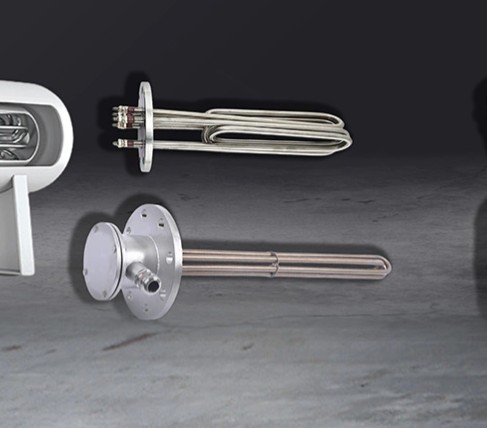
How to select a qualified electric heating element for different working environments?
Jun 01,2026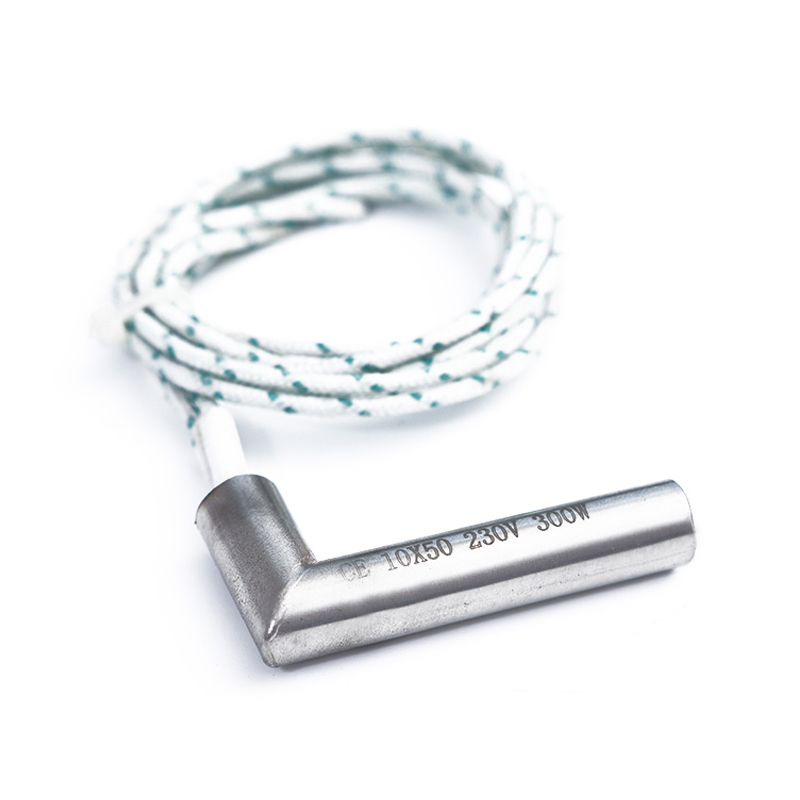
What Are the Common Types of Electric Heating Elements?
Jun 15,2026Your email address will not be published. Required fields are marked *