

 English
 русский
 عربى
عربى
Product Consultation
Your email address will not be published. Required fields are marked *
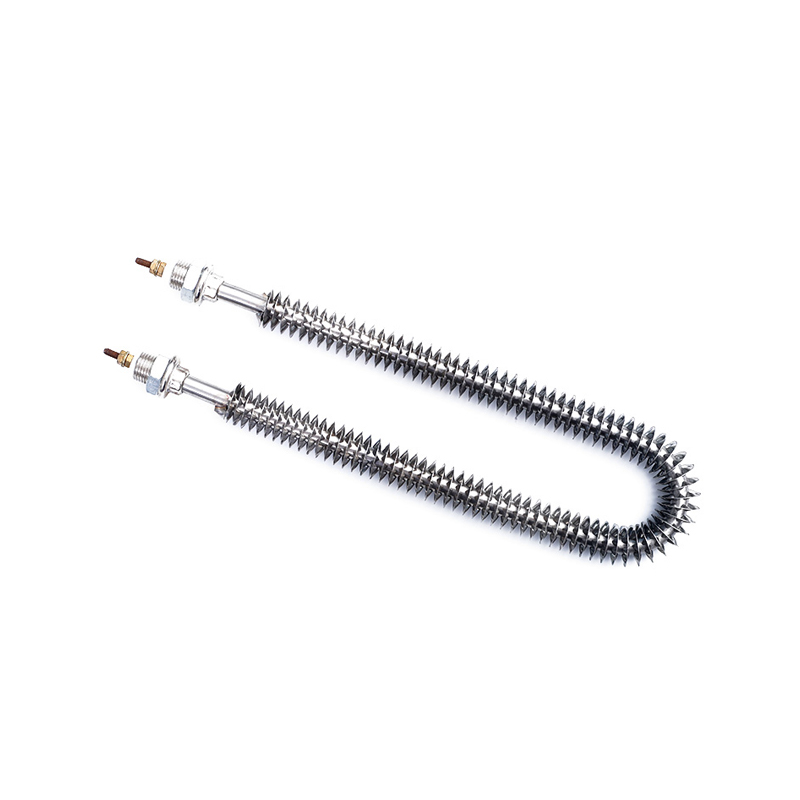
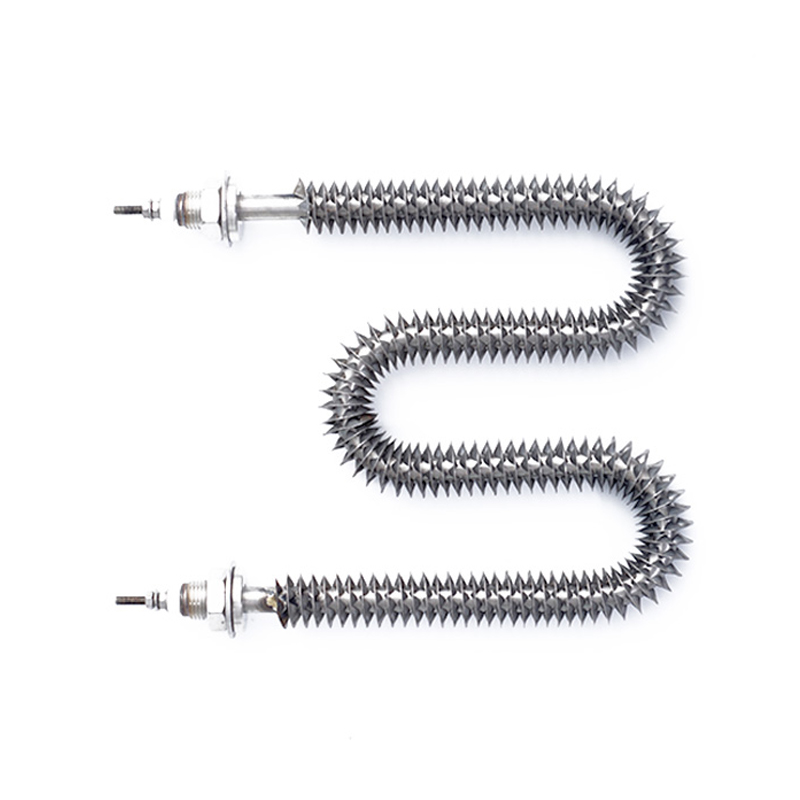
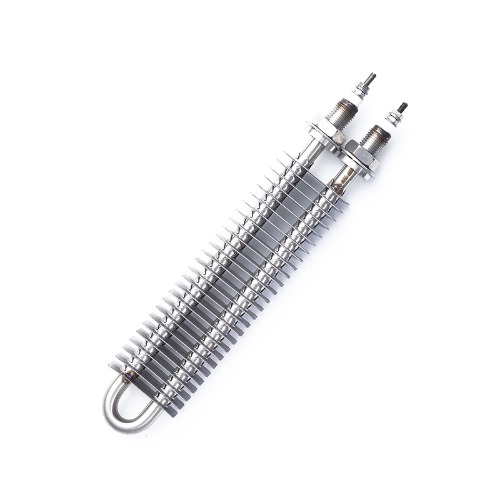
An industrial immersion heater is a highly efficient and versatile heating device designed to directly transfer heat into liquids, gases, or viscous materials within a tank, pipe, or vessel. By immersing the heating element directly into the target medium, these heaters minimize thermal loss and maximize energy transfer. They are critical components in modern manufacturing, chemical processing, and water treatment facilities, offering precise temperature control, rapid heating capabilities, and robust durability. Whether heating water, oils, chemical solutions, or molten metals, choosing the correct immersion heater ensures operational safety, energy efficiency, and prolonged equipment lifespan.
The fundamental principle of an industrial immersion heater is Joule heating, where electrical current passes through a resistive element, generating heat. This heat is then transferred directly to the surrounding medium via conduction and convection. Because the heating element is in direct contact with the substance being heated, the thermal efficiency is exceptionally high, often exceeding 90 percent energy conversion.
The core components of these heaters include:
Industrial immersion heaters are categorized based on their mounting style and physical configuration. Each type serves specific operational needs, tank geometries, and maintenance requirements. Selecting the appropriate type is essential for ensuring optimal performance and ease of access.
Flanged immersion heaters consist of multiple hairpin-shaped elements brazed or welded to a flange. This flange is then bolted to a matching flange on the side or bottom of a tank. They are ideal for high-capacity heating applications and pressurized vessels. Because they are mounted via flanges, they can handle substantial watt densities and are commonly used in large-scale chemical processing and petroleum heating.
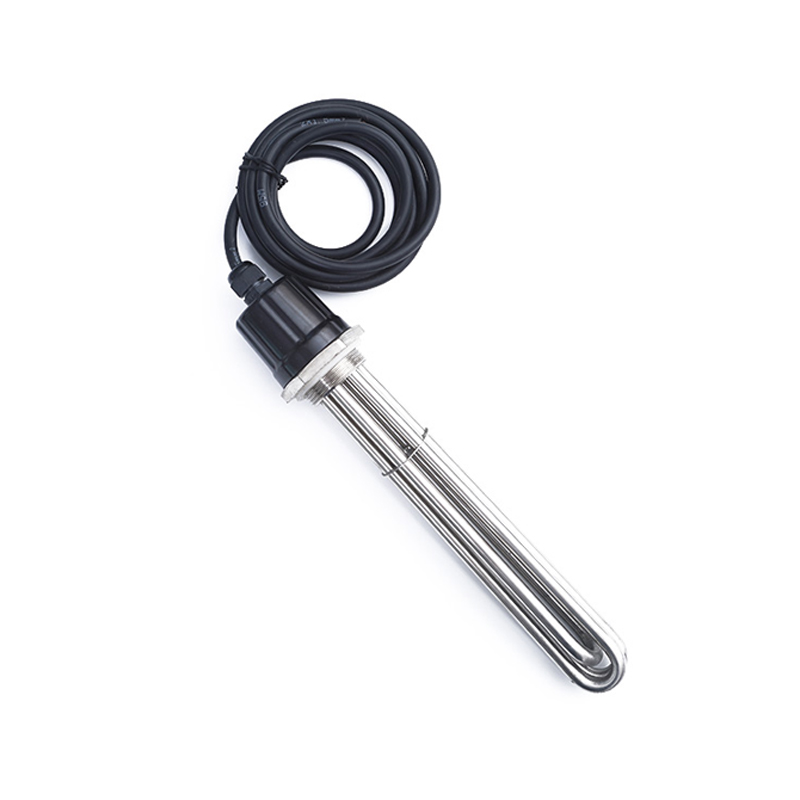
These heaters are designed with a threaded plug that screws directly into a matching threaded coupling on a tank wall or pipe. They are compact and suited for smaller tanks or applications where space is limited. Screw plug heaters are frequently used in applications such as heating mild oils, water, and antifreeze solutions.
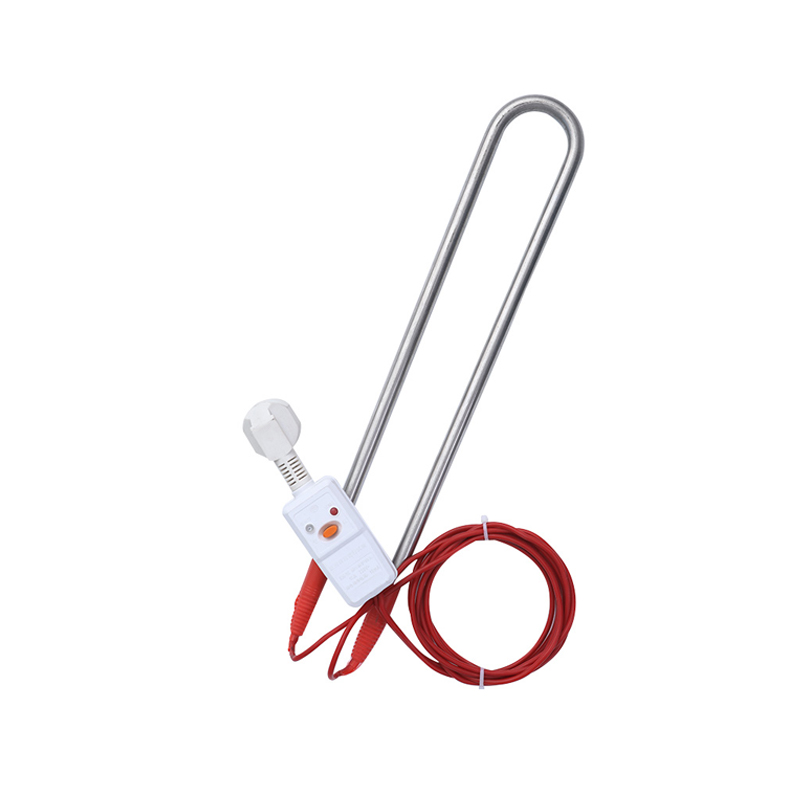
Designed for tanks where side or bottom entry is not possible or practical, over-the-side heaters are hung over the lip of the tank. The heating element rests near the bottom of the vessel. They are incredibly convenient for applications that require frequent heater removal for cleaning or tank maintenance, such as in electroplating or food processing.
| Heater Type | Mounting Style | Best Application Fit |
|---|---|---|
| Flanged | Bolted to tank flange | Large volume, pressurized vessels |
| Screw Plug | Threaded into tank wall | Small to medium tanks, limited space |
| Over-the-Side | Suspended over tank lip | Frequent removal, open-top tanks |
Industrial immersion heaters are integral to a vast array of manufacturing and processing sectors. Their ability to provide consistent, controlled heat makes them indispensable for various thermal processes.
Choosing the correct industrial immersion heater requires a thorough understanding of the process parameters. A mismatch between the heater specifications and the application can lead to premature failure, inefficient heating, or severe safety hazards.
The primary factors to consider include:
Proper maintenance of industrial immersion heaters is crucial for preventing downtime and ensuring a safe working environment. Neglecting routine checks can result in scaling, element burnout, and catastrophic equipment failure.
In water heating applications, mineral scale buildup acts as an insulator, trapping heat inside the element. This can cause the element to overheat and burn out prematurely. Implementing a regular descaling regimen using appropriate chemical cleaners will maintain heat transfer efficiency. In oil applications, sludge and carbon buildup must be removed to prevent localized overheating.
Periodically inspect the terminal housing for signs of moisture ingress, loose wiring, or corrosion. Loose connections can create high-resistance points, leading to arcing and potential fire hazards. Ensure that all electrical connections are torqued to the manufacturer's specifications and that grounding wires are securely attached.
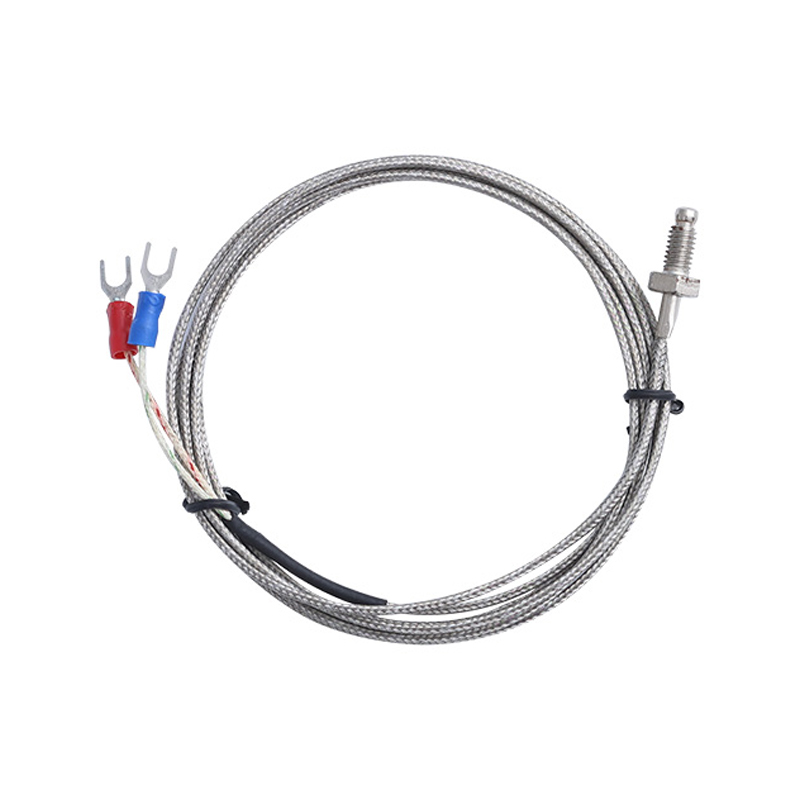
The accuracy of thermostats and temperature sensors is vital for process control and safety. Over time, sensors can drift from their original calibration. Regular calibration checks against a known standard will ensure the heater operates within the desired temperature range, preventing thermal runaway. Furthermore, installing independent high-limit temperature cutouts provides a fail-safe mechanism if the primary control system malfunctions.
By adhering to these selection criteria and maintenance protocols, facilities can maximize the longevity and efficiency of their industrial immersion heaters. Investing in the correct heater design and committing to proactive upkeep will yield significant operational savings and enhance overall plant safety.
What Are the Common Types of Electric Heating Elements?
Jun 15,2026
How to properly install and maintain an immersion flange heater?
Jul 01,2026Your email address will not be published. Required fields are marked *