

 English
 русский
 عربى
عربى
Product Consultation
Your email address will not be published. Required fields are marked *
Choosing a suitable heater for packaging machinery is not just an auxiliary measure, but a core factor that directly determines packaging speed, seal quality, and long-term operational stability of the equipment. A well-matched heater can reduce energy consumption by 15%-30%, improve seal integrity by over 95%, and extend the service life of packaging machinery by 2-3 years. In contrast, an inappropriate heater will lead to frequent equipment failures, uneven seals, material waste, and even affect the safety of packaged products. This article will delve into the types, working principles, selection criteria, application scenarios, maintenance methods, and common problems of heaters for packaging machinery, providing practical guidance for enterprises to select and use related equipment.
Heaters for packaging machinery are classified into different types based on heating principle, structure, and application scenario, each with unique advantages and applicable scenarios. Understanding the characteristics of each type is the premise of rational selection.
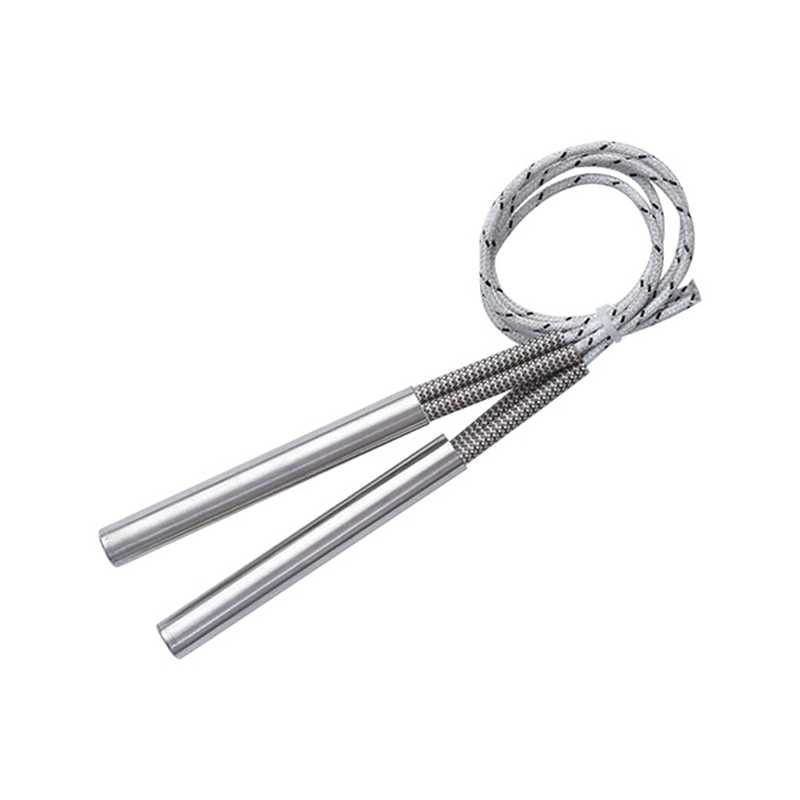
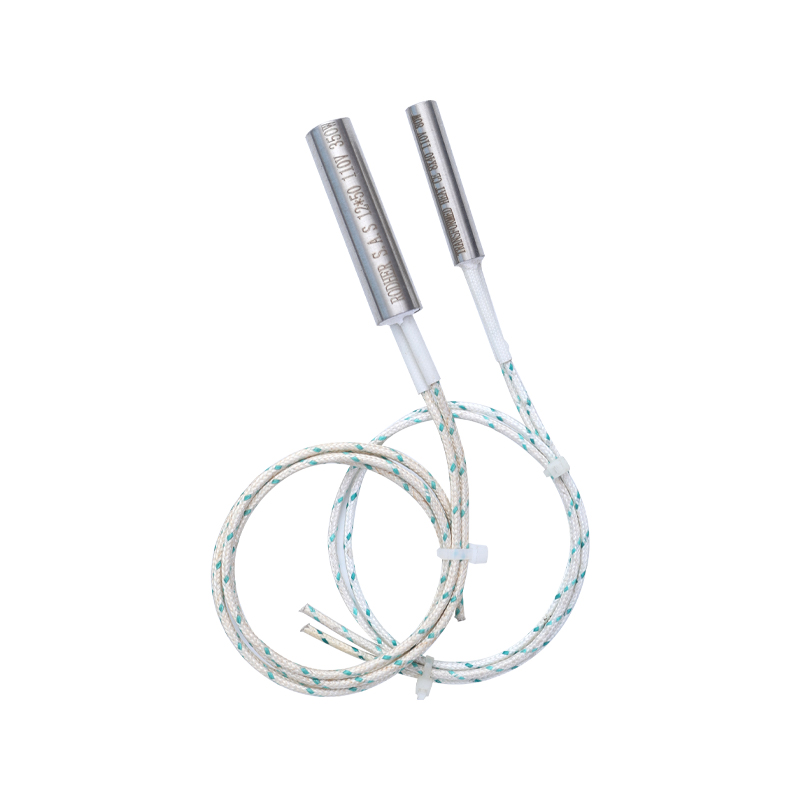
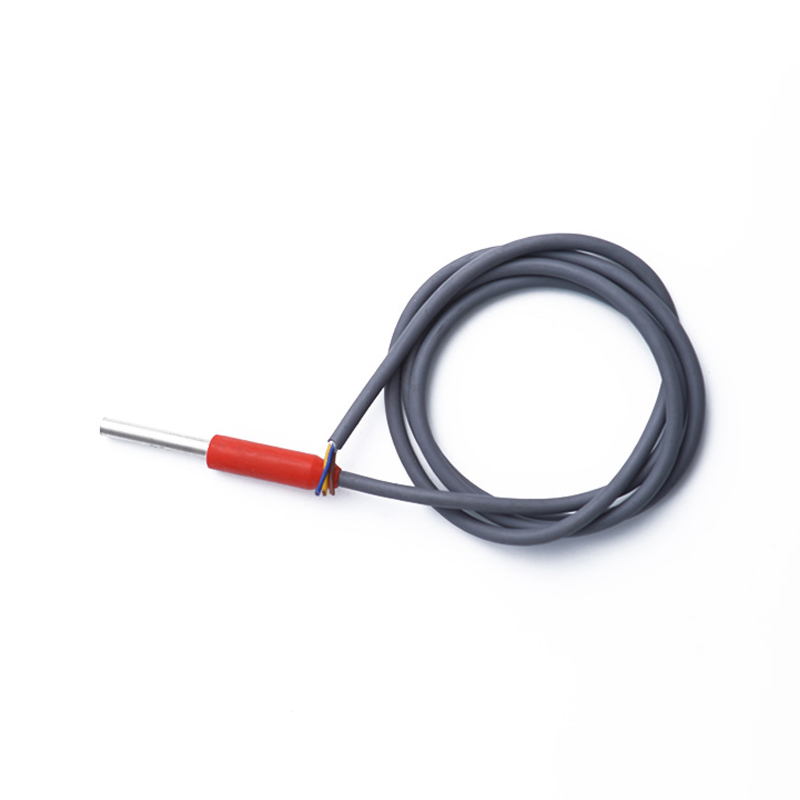
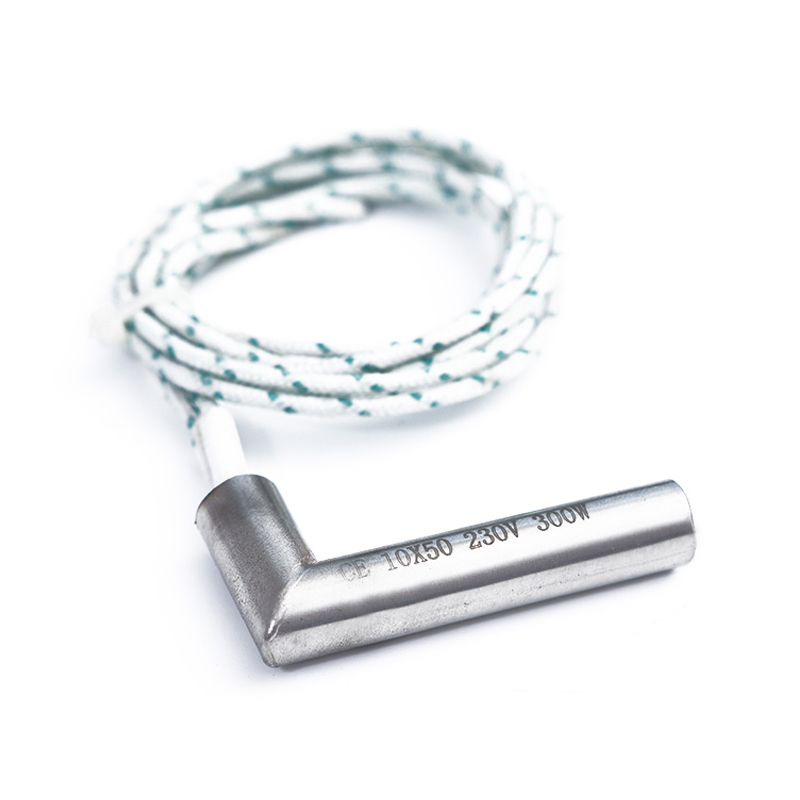
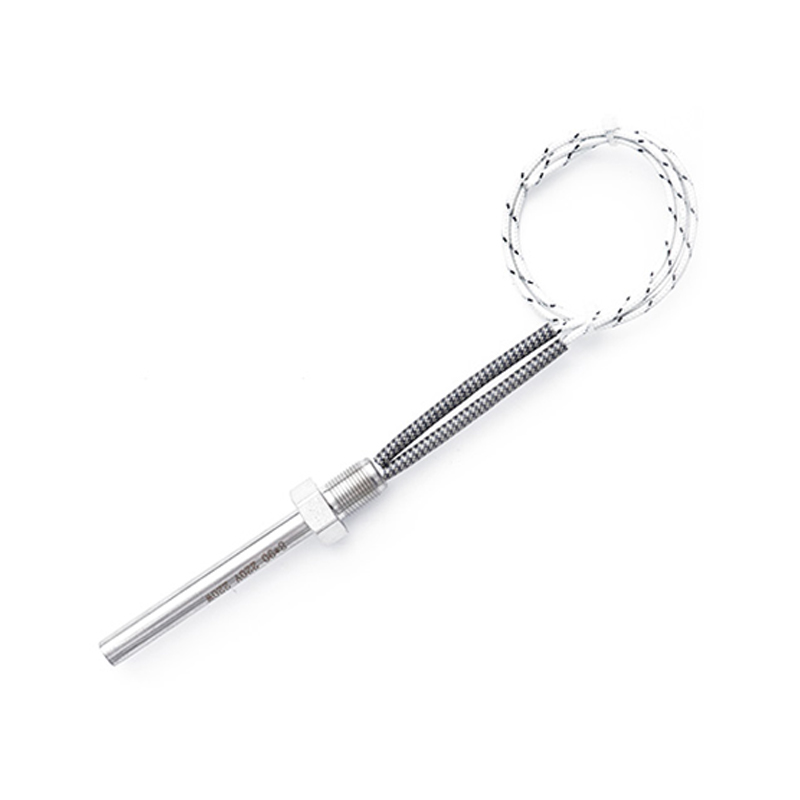
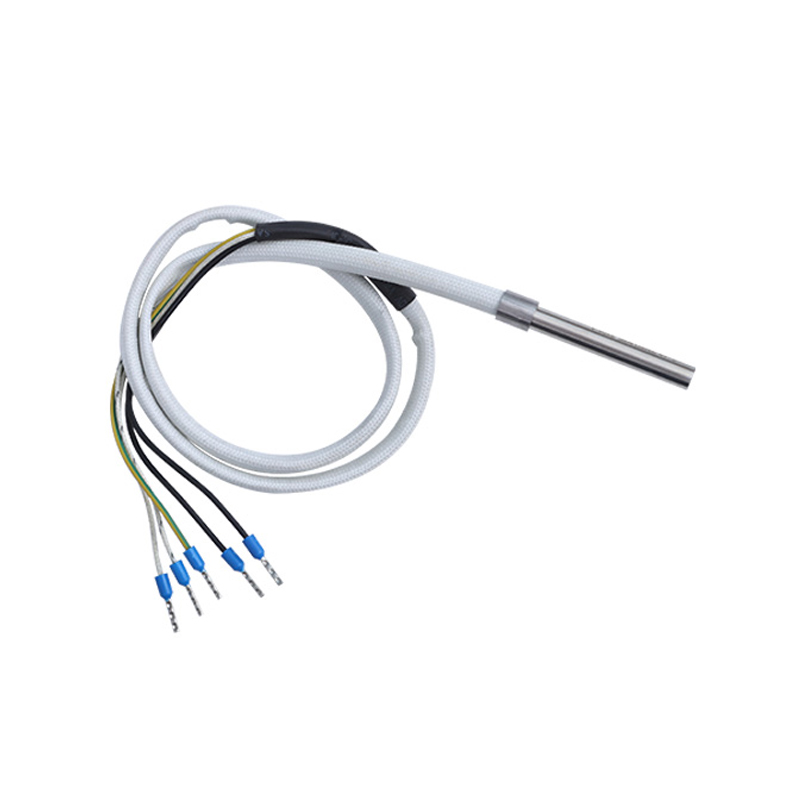
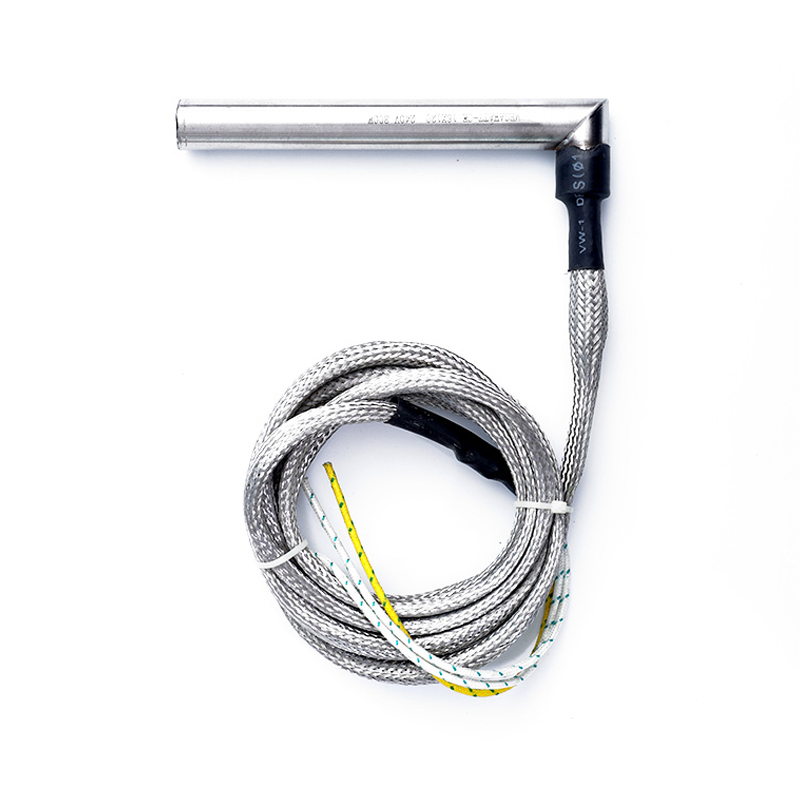
Cartridge heaters are one of the most commonly used heaters in packaging machinery, characterized by small size, high heating efficiency, and uniform temperature distribution. They are usually inserted into the heating holes of packaging machinery components (such as sealing bars, nozzles, and heating rollers) to realize direct heating of key parts.
The heating efficiency of cartridge heaters can reach 90% or more, which means most of the electrical energy is converted into heat energy, reducing energy waste. They are suitable for small and medium-sized packaging machinery, such as automatic bag sealing machines, filling machines, and blister packaging machines. For example, in a small automatic bag sealing machine, a cartridge heater with a diameter of 8-12mm can quickly heat the sealing bar to the set temperature (usually 120-180℃) within 30-60 seconds, ensuring that the bag mouth is sealed tightly without leakage.
Another advantage of cartridge heaters is their strong adaptability. They can be customized according to the size of the heating hole of the packaging machinery, and can work stably in high-temperature, high-humidity, and dusty packaging environments. However, it should be noted that cartridge heaters need to be closely fitted with the heating hole during installation; otherwise, the heat transfer efficiency will be reduced, and the heater itself may be overheated and damaged.
Band heaters are mainly used for heating cylindrical components in packaging machinery, such as heating barrels of extruders, feeding pipes, and rolling shafts. They are composed of a metal shell (usually stainless steel or aluminum alloy), heating wire, and an insulation layer, which can be closely wrapped around the surface of the cylindrical component to achieve uniform heating.
Compared with cartridge heaters, band heaters have a larger heating area and can heat the entire surface of the cylindrical component evenly, avoiding local overheating or insufficient heating. Their heating power can be adjusted according to actual needs, and the temperature control accuracy can reach ±5℃, which is suitable for packaging processes that require strict temperature control, such as plastic film blowing, heat-shrinkable packaging, and extrusion molding.
In a heat-shrinkable packaging machine, the band heater wrapped around the heating tunnel can maintain a stable temperature of 150-200℃, ensuring that the heat-shrinkable film shrinks evenly and fits closely with the packaged product. If the temperature is too high, the film will be scorched; if the temperature is too low, the film will not shrink completely. The precise temperature control of the band heater effectively solves this problem.
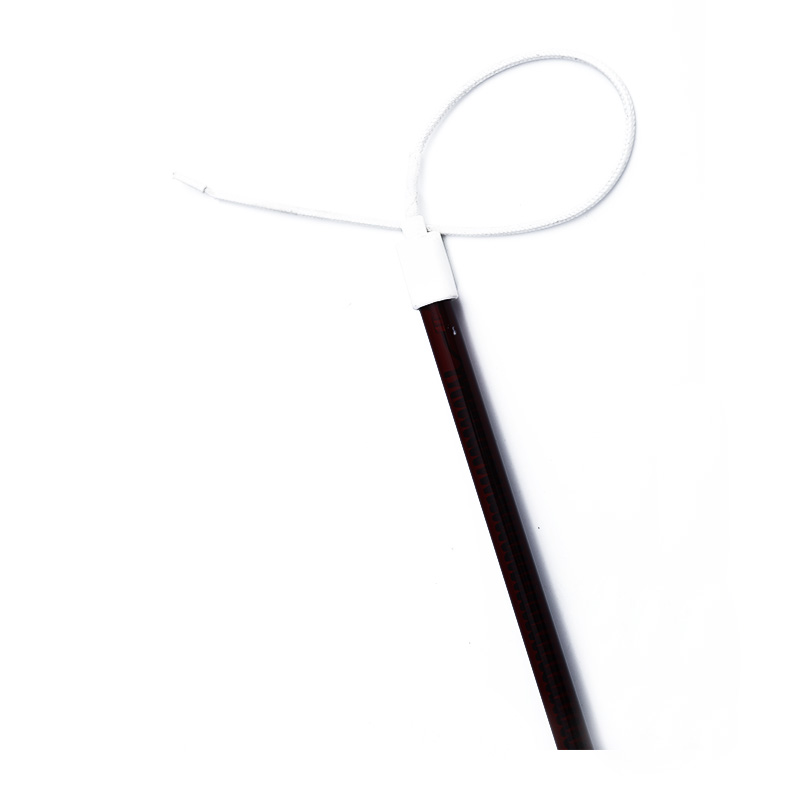
Infrared heaters use infrared radiation to transfer heat, which has the characteristics of fast heating speed, high energy utilization rate, and non-contact heating. They are widely used in packaging machinery that requires rapid heating and no contact with the product, such as heat-shrinkable packaging machines, labeling machines, and drying equipment.
The heating speed of infrared heaters is 2-3 times that of traditional resistance heaters. They can reach the set temperature within 10-20 seconds, greatly improving the production efficiency of packaging machinery. At the same time, infrared radiation can directly act on the surface of the material (such as heat-shrinkable film, label adhesive), reducing heat loss in the transfer process, and the energy-saving effect is obvious—compared with traditional heaters, the energy consumption can be reduced by 20%-35%.
For example, in a fully automatic labeling machine, the infrared heater can quickly dry the adhesive on the label, making the label adhere firmly to the surface of the product within 1-2 seconds, avoiding label warping or falling off. In addition, infrared heaters have a long service life, usually up to 5000-8000 hours, which reduces the frequency of equipment maintenance and replacement.
Hot air heaters heat the air through a heating element and then blow the hot air to the target area through a fan, realizing large-area uniform heating. They are suitable for packaging machinery that requires heating the entire packaging area, such as tunnel-type heat shrinkable packaging machines, packaging material drying equipment, and automatic packaging lines.
The key advantage of hot air heaters is that the heating area is large and the temperature is uniform. The hot air can be evenly distributed in the heating tunnel, ensuring that each part of the packaged product is heated consistently, avoiding the problem of uneven shrinkage or drying. In addition, hot air heaters can adjust the wind speed and temperature according to the characteristics of the packaging material and product, with strong flexibility.
In a tunnel-type heat shrinkable packaging line for beverage bottles, the hot air heater can maintain a stable temperature of 160-190℃ in the tunnel, and the hot air with a certain wind speed can make the heat shrinkable film on the surface of the beverage bottle shrink evenly, forming a tight and beautiful packaging. The production efficiency of such a packaging line can reach 300-500 bottles per minute, which is closely related to the stable performance of the hot air heater.
| Heater Type | Heating Efficiency | Applicable Components | Energy Saving Effect | Service Life |
| Cartridge Heaters | ≥90% | Sealing bars, nozzles | 15%-30% | 3000-5000 hours |
| Band Heaters | ≥85% | Heating barrels, rolling shafts | 10%-25% | 4000-6000 hours |
| Infrared Heaters | ≥92% | Heat shrink tunnels, labeling machines | 20%-35% | 5000-8000 hours |
| Hot Air Heaters | ≥80% | Tunnel packaging machines, drying equipment | 15%-25% | 4000-7000 hours |
Selecting the right heater for packaging machinery requires comprehensive consideration of multiple factors, including packaging material, production efficiency, temperature requirements, energy consumption, and equipment compatibility. Blind selection will not only fail to play the role of the heater but also affect the normal operation of the entire packaging line. The following are the key factors that need to be focused on when selecting.
Different packaging materials have different heat resistance and heating requirements, which directly determine the type and specification of the heater. For example, plastic packaging materials (such as PE, PP, PVC) have a low melting point (usually 100-200℃), so heaters with precise temperature control and moderate heating power should be selected; while metal packaging materials (such as tin cans, aluminum foil) require higher heating temperature and larger heating power, so band heaters or hot air heaters with high power and high temperature resistance are more suitable.
Another example is heat-shrinkable films of different materials: POF heat-shrinkable films have a low shrinkage temperature (120-150℃), and infrared heaters or low-power hot air heaters can meet the requirements; PVC heat-shrinkable films have a higher shrinkage temperature (150-180℃), so it is necessary to select heaters with higher temperature control accuracy and heating power. If the heater does not match the packaging material, it will lead to problems such as material scorching, incomplete shrinkage, and poor sealing.
The production efficiency of the packaging line determines the requirements for the heating speed of the heater. For high-speed packaging lines (such as 500-1000 products per minute), heaters with fast heating speed (such as infrared heaters, high-power cartridge heaters) must be selected to ensure that the heating part can reach the set temperature quickly and keep up with the production rhythm.
For example, in a fully automatic high-speed bag-making and packaging line, the sealing bar needs to complete the sealing of 800-1000 bags per minute. If a common resistance heater with a slow heating speed is used, the sealing bar cannot maintain a stable temperature, resulting in uneven sealing or leakage of the bag mouth. In this case, a high-power cartridge heater with a heating speed of 20-30 seconds can effectively solve this problem, ensuring the stability of the sealing quality while meeting the high-speed production requirements.
For low-speed packaging lines (such as 100-300 products per minute), the requirements for heating speed are relatively low, and ordinary cartridge heaters or band heaters can meet the needs, which can also reduce the cost of equipment purchase and energy consumption.
Temperature control accuracy is a key indicator affecting the packaging quality, especially for packaging processes that require strict temperature control (such as heat shrinkable packaging, plastic welding, and adhesive drying). The temperature control accuracy of the heater should be within ±5℃, and some high-precision packaging scenarios (such as medical packaging, food packaging with strict hygiene requirements) require the temperature control accuracy to be within ±3℃.
For example, in the packaging of medical sterile products, the heat-shrinkable film needs to be heated at a stable temperature of 140±3℃. If the temperature is too high, the film will be scorched, which may affect the sterility of the product; if the temperature is too low, the film will not shrink completely, leading to poor sealing and easy contamination of the product. Therefore, an infrared heater with high temperature control accuracy and a matching temperature control system must be selected to ensure the stability of the heating temperature.
What makes special electric heating elements different from standard off-the-shelf heaters?
Apr 01,2026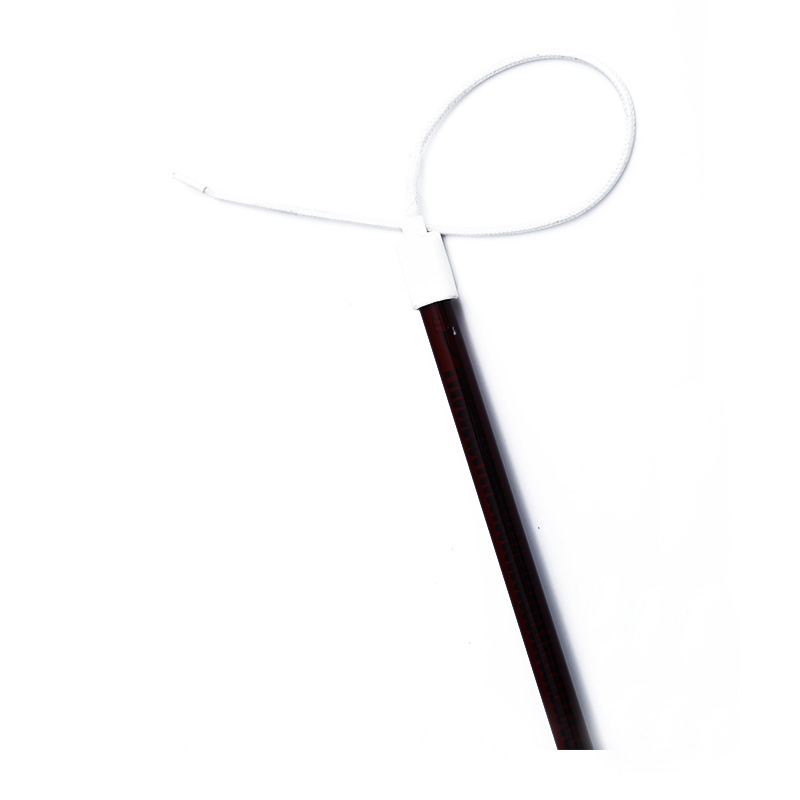
How to choose the right infrared heater element for industrial drying?
Apr 15,2026Your email address will not be published. Required fields are marked *