

 English
 русский
 عربى
عربى
Product Consultation
Your email address will not be published. Required fields are marked *
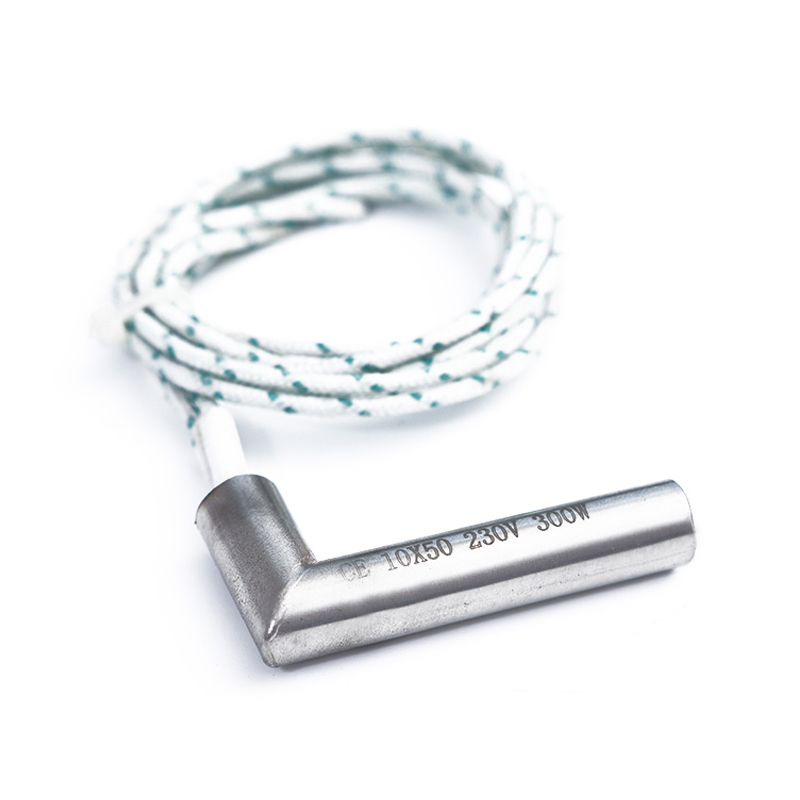
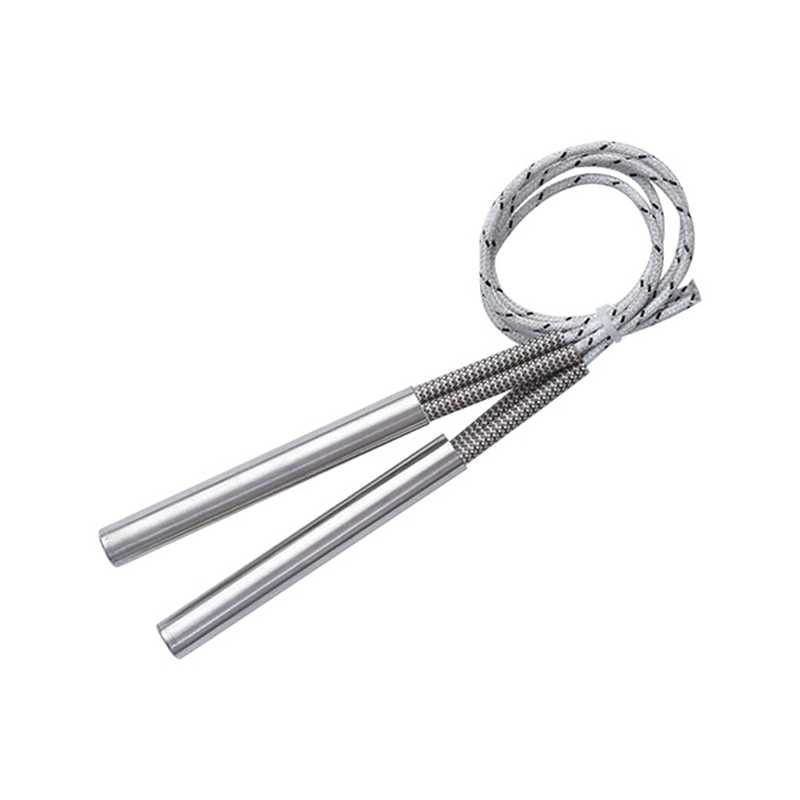
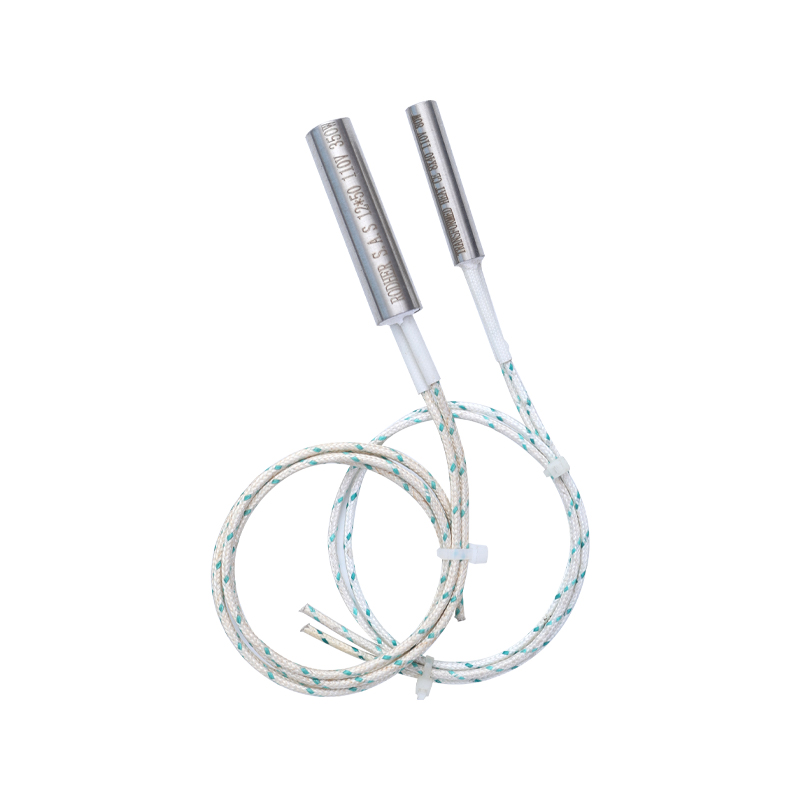
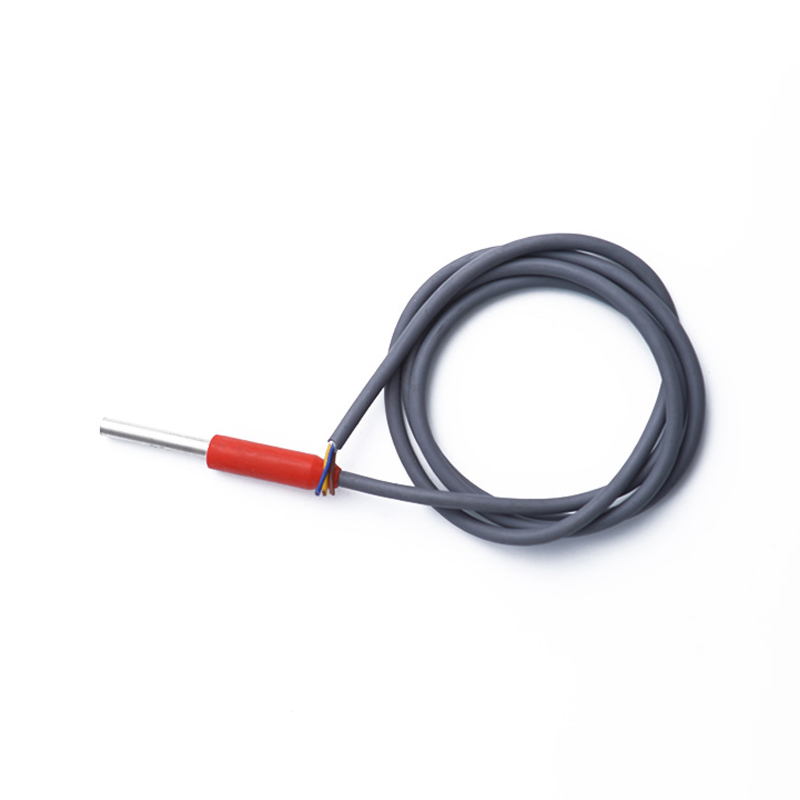
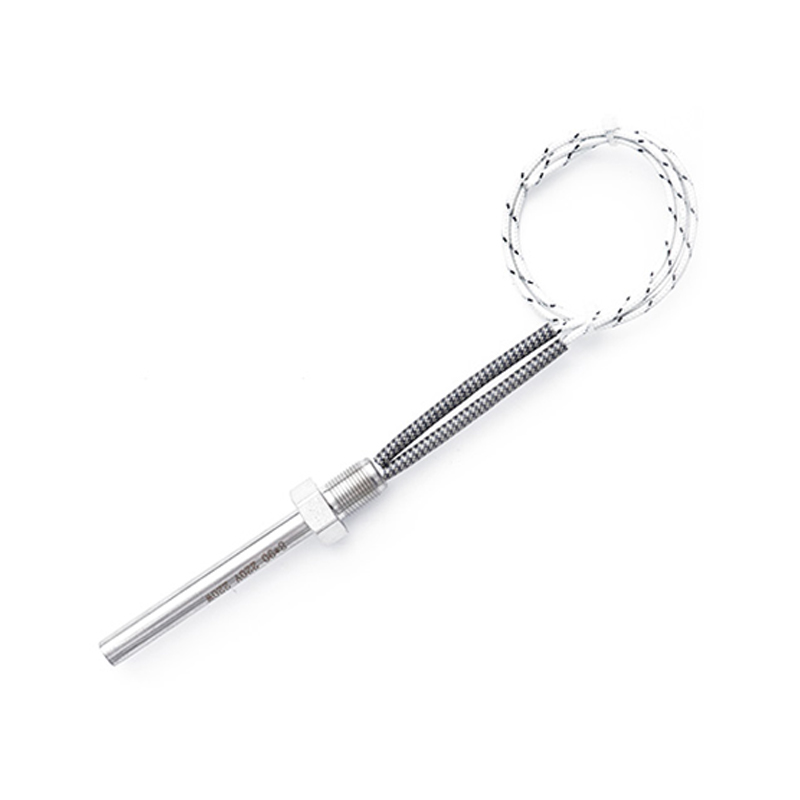
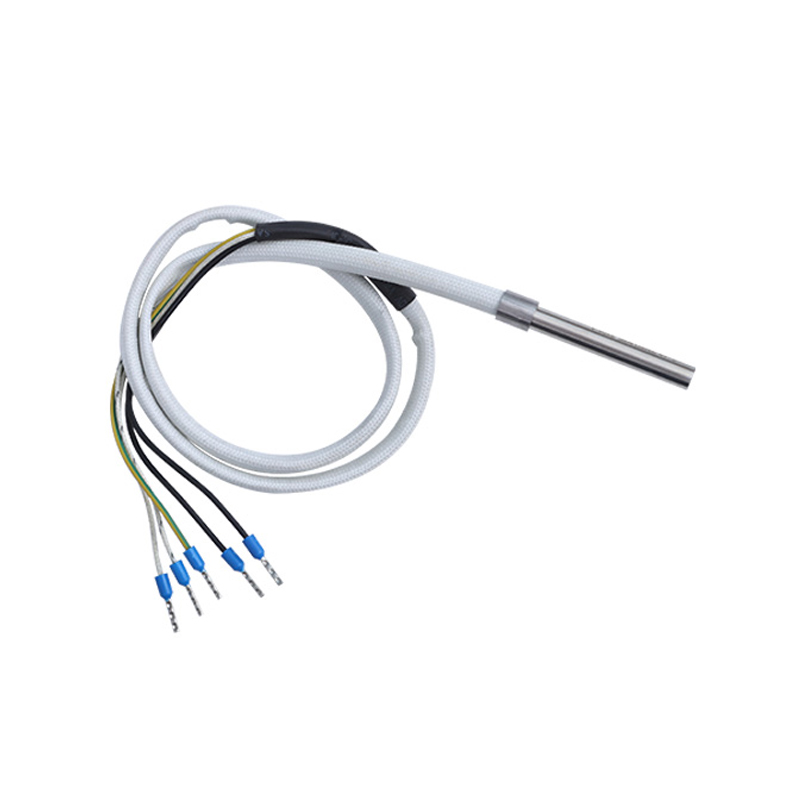
A cartridge heater element is a compact, high-performance cylindrical electric heating component designed for direct insertion into drilled holes to provide concentrated, efficient heat transfer. It is the core heat-generating part of cartridge heaters, featuring rapid heating speed, high thermal efficiency, stable temperature output, and excellent adaptability to high-temperature and high-pressure working environments.
The fundamental operating principle relies on electrical resistance heating: when an electric current passes through the internal resistance wire, electrical energy is converted into thermal energy, which is then evenly conducted to the heater sheath and transferred to the heated medium or equipment. With standardized structural design and customizable performance parameters, cartridge heater elements have become indispensable heating solutions in precision manufacturing, industrial equipment, aerospace, packaging machinery, and many other fields.
The service life and heating effect of a cartridge heater element are directly determined by material quality, manufacturing process, installation method, and operating conditions. High-quality elements can maintain stable performance under continuous operating temperatures up to 760°C, while improper use or matching will significantly reduce heating efficiency and shorten service life. Mastering the structural composition, selection criteria, installation specifications, and maintenance methods of cartridge heater elements is the key to maximizing their performance and economic benefits.
The internal structure of a cartridge heater element is precise and compact, composed of multiple key components that work together to achieve safe, efficient, and stable heating. Each component has a clear functional positioning, and the coordination between them directly affects the overall performance and reliability of the heater element.
The resistance coil is the heart of the cartridge heater element, responsible for converting electrical energy into thermal energy. It is usually made of high-resistance alloy materials with excellent oxidation resistance and high-temperature stability. The winding density, wire diameter, and arrangement of the resistance coil are strictly calculated to ensure uniform heat distribution and avoid local overheating.
High-quality resistance coils can maintain structural integrity and electrical performance under long-term high-temperature operation, which is the basis for ensuring the long service life of the cartridge heater element. The resistance value of the coil is customized according to the required power and voltage, which is the core basis for distinguishing different heating powers of heater elements.
The insulation filler is filled between the resistance coil and the metal sheath, undertaking two critical tasks: electrical insulation and efficient heat conduction. The material must have high electrical insulation performance to prevent current leakage and ensure operational safety, while also having excellent thermal conductivity to quickly transfer the heat generated by the resistance coil to the sheath.
The filler is compressed tightly during the manufacturing process, which not only enhances heat conduction efficiency but also fixes the position of the resistance coil, avoiding displacement caused by thermal expansion and contraction. This design ensures that the heat generated by the coil is transmitted to the heated object in the shortest time, improving the overall thermal efficiency of the heater element.
The metal sheath is the outermost structure of the cartridge heater element, which plays a protective role for the internal components and is the direct contact part for heat transfer. It has good mechanical strength, corrosion resistance, and thermal conductivity, adapting to different use environments such as dry, humid, and corrosive.
The surface finish and dimensional accuracy of the sheath are strictly controlled to ensure a tight fit with the installation hole, reducing air gaps and improving heat transfer efficiency. The sheath material can be selected according to the application environment, which is one of the important factors to meet the needs of different industrial scenarios.
The lead wire is the channel for connecting the cartridge heater element to the power supply, requiring high temperature resistance and tensile strength to adapt to the high-temperature environment at the tail of the heater. The sealing structure is located at the lead wire outlet, which effectively prevents moisture, dust, and impurities from entering the interior of the heater, avoiding short circuits or performance degradation.
High-performance sealing technology can extend the service life of the heater element in harsh environments, especially in applications with water vapor, oil stains, or dust. The sealing performance directly determines whether the heater can operate stably for a long time.
Material selection is a decisive factor for the performance, service life, and application scope of cartridge heater elements. Different materials have significant differences in high-temperature resistance, corrosion resistance, thermal conductivity, and mechanical properties, and targeted selection must be carried out according to the actual working conditions.
The resistance wire is the core heat-generating component, and its material performance directly determines the maximum operating temperature and service life of the cartridge heater element. Common resistance wire materials have their own applicable scenarios and performance advantages:
The selection of resistance wire materials needs to balance the operating temperature, power density, service life requirements, and cost factors. Under the same working conditions, high-quality alloy materials can extend the service life of the heater element by more than 30% compared with ordinary materials.
The sheath material of the cartridge heater element needs to match the use environment to ensure corrosion resistance, heat transfer efficiency, and mechanical protection. The following are common sheath materials and their application characteristics:
| Material Type | Core Advantages | Applicable Environments |
|---|---|---|
| Stainless Steel | Good corrosion resistance, high cost performance | General dry, non-corrosive environments |
| Incoloy Alloy | Ultra-high temperature resistance, strong oxidation resistance | High-temperature, high-pressure industrial equipment |
| Titanium Alloy | Lightweight, excellent corrosion resistance | Chemical, marine corrosion environments |
The insulation filler of cartridge heater elements mostly uses high-purity magnesium oxide powder, which has excellent electrical insulation performance and thermal conductivity. After high-pressure compression treatment, it can quickly conduct heat while ensuring that the current is completely confined to the resistance coil, eliminating potential safety hazards such as electric leakage.
High-purity magnesium oxide filler can maintain stable performance at temperatures above 1000°C, and will not decompose or degrade insulation performance due to temperature changes. This material is the standard configuration for high-performance cartridge heater elements and cannot be replaced by ordinary low-purity fillers.
Understanding the working principle and thermal performance characteristics of cartridge heater elements is crucial for correct selection, installation, and use. The heating process of the heater element follows the laws of physics, and its performance characteristics determine the heating effect and energy consumption in practical applications.
After the cartridge heater element is connected to the power supply, the electric current flows through the internal resistance coil. Due to the high resistance characteristics of the coil, the current is hindered, and electrical energy is converted into thermal energy, causing the coil temperature to rise rapidly. The heat is transferred to the metal sheath through the compressed magnesium oxide insulation layer, and then conducted to the metal mold, equipment, or medium in contact with the sheath.
The entire heating process is efficient and direct, with almost no heat loss in the middle, which is the core advantage of cartridge heater elements over other heating methods. The temperature control system can adjust the current output to achieve constant temperature or stepped heating according to the set temperature requirements.
The thermal performance of cartridge heater elements is mainly reflected in several core parameters, which are the basis for users to select suitable products:
The heat transfer of cartridge heater elements mainly relies on heat conduction, supplemented by a small amount of heat convection. The key to improving heat transfer efficiency is to ensure a tight fit between the heater sheath and the installation hole, eliminating air gaps. Air is a poor conductor of heat, and even a small gap will greatly reduce heat transfer efficiency and increase energy consumption.
In actual use, optimizing the heat transfer effect can reduce the working load of the heater element, slow down the aging speed of internal components, and extend the service life while improving heating efficiency. This is a cost-free performance optimization method that all users can implement.
Correct selection of cartridge heater elements is the premise of ensuring stable operation, meeting heating requirements, and extending service life. The selection needs to comprehensively consider multiple factors, such as installation space, heating temperature, power demand, working environment, and service life, and cannot be carried out blindly.
Dimensional matching is the most basic selection requirement, including diameter, length, and lead wire direction. The diameter of the heater element should be compatible with the drilled hole, generally with a slight tolerance to ensure tight insertion. The length should be determined according to the heating area, avoiding excessive length exceeding the heating area or insufficient length leading to uneven heating.
In precision molds and equipment, the dimensional tolerance of cartridge heater elements is required to be within 0.05mm to ensure a perfect fit with the installation hole. Incorrect dimensional selection will directly lead to poor heat transfer, local overheating, and even damage to the heater element and equipment.
Power selection needs to be calculated based on the required heating temperature, heated material quality, specific heat capacity, and heating time. Excessive power will cause rapid temperature rise and overheating damage, while too low power cannot meet the heating demand, resulting in long working hours and increased energy consumption.
Voltage matching must be completely consistent with the on-site power supply voltage. Common voltages include 120V, 240V, 380V, etc. Using a heater element with inconsistent voltage will cause immediate burnout or failure to heat normally, which is a common mistake in selection.
For high-temperature environments, sheath materials with high temperature resistance should be selected; for corrosive environments, corrosion-resistant alloy sheaths are required; for humid or water-vapor environments, sealed and waterproof structures must be prioritized. The maximum operating temperature of the heater element should be higher than the actual set temperature to reserve a safety margin.
In addition, for scenarios requiring frequent start-stop and rapid heating, high-power density and high-temperature resistance heater elements should be selected to adapt to frequent thermal expansion and contraction and maintain long-term stable performance.
The installation quality of cartridge heater elements directly affects their heating efficiency, service life, and operational safety. Even high-quality heater elements will have performance degradation or damage if installed improperly. Standardized installation steps and best practices can maximize the performance of the heater element.
Before installation, first check whether the dimensions, voltage, and power of the heater element match the equipment requirements, and check the surface of the heater element for damage, deformation, or lead wire breakage. Then clean the installation holes to remove oil, dust, metal chips, and other impurities, ensuring that the inner wall of the hole is smooth and free of burrs.
Measure the actual temperature and environmental conditions of the installation location to confirm that they are within the applicable range of the heater element. For holes with poor roughness, proper polishing can be carried out to improve the fit between the heater and the hole wall.
Do not install the heater element in a hole with excessive clearance, which will cause poor heat dissipation and local overheating burnout; do not let the lead wire contact the high-temperature surface of the equipment, which will damage the lead wire insulation layer and cause safety hazards; do not modify the length or structure of the heater element without permission, which will destroy the internal insulation and heating structure.
In addition, for heater elements used in high-temperature environments, sufficient heat dissipation space should be reserved at the tail to prevent heat accumulation from burning out the lead wire connection part. Following these avoidance items can reduce the failure rate of heater elements by more than 60%.
Cartridge heater elements may have various faults during long-term use, most of which are caused by improper use, installation, or lack of maintenance. Mastering common fault diagnosis and maintenance methods can quickly solve problems, reduce downtime, and save replacement costs.
Daily maintenance is the key to extending the service life of cartridge heater elements. Regularly clean the surface of the heater element and the installation hole to remove oil and scale; check the lead wire for aging, damage, or looseness; test the insulation performance and heating effect regularly to find potential problems in advance.
For minor faults such as loose connections, they can be repaired by re-wiring and fixing; for faults such as resistance coil open circuit and insulation damage, the heater element needs to be replaced directly, and no forced repair should be carried out to avoid safety accidents. Regular maintenance can extend the service life of the heater element by 1-2 times compared with no maintenance.
All maintenance and repair work must be carried out after power off and complete cooling to prevent electric shock or burns. Do not touch the internal structure of the heater element at will, and do not use corrosive cleaning agents to clean the surface. For heater elements used in special environments, replacement should be carried out in accordance with corresponding safety specifications.
Cartridge heater elements are widely used in various industrial fields that require precise and efficient heating due to their compact structure, flexible customization, and excellent performance. Their application scenarios cover almost all manufacturing and processing industries that need heat support.
This is one of the largest application fields of cartridge heater elements, used for heating in injection molding machines, extruders, blow molding machines, and other equipment. The heater elements provide stable temperature for plastic melting and molding, ensuring the fluidity and molding quality of raw materials, with the advantages of rapid temperature rise and precise temperature control.
In packaging machinery, cartridge heater elements are used for heat sealing, cutting, and laminating of packaging materials; in printing machinery, they are used for drying ink and heating printing rollers. Their small size and high heating efficiency make them very suitable for compact mechanical structures.
Precision molds require uniform and stable heating, and cartridge heater elements can be customized according to the mold structure to achieve omnidirectional heating. They are widely used in die-casting molds, stamping molds, and forming molds, improving product molding accuracy and production efficiency.
In food processing, heater elements are used for heating and heat preservation of food machinery, meeting hygienic and safety standards; in medical equipment, they are used for heating in sterilization equipment, analytical instruments, and disposable medical product production lines, with the characteristics of safety, sanitation, and stable performance.
In these high-end manufacturing fields, cartridge heater elements are used for heating composite materials, preheating parts, and testing equipment. They can adapt to extreme working environments and meet the high-standard performance requirements of aerospace and automotive manufacturing.
On the basis of correct selection and installation, adopting scientific performance optimization and life extension strategies can further improve the use efficiency of cartridge heater elements, reduce the replacement frequency, and reduce the overall use cost for enterprises and users.
Equipped with an intelligent temperature control system to avoid long-term full-load operation of the heater element. Setting a reasonable temperature range and using stepped heating instead of instantaneous high-temperature heating can reduce the thermal stress impact on the internal components of the heater element and slow down material aging.
Accurate temperature control can not only improve heating quality but also keep the working temperature of the heater element within a stable range, which is one of the most effective ways to extend service life.
Avoid frequent and rapid start-stop of the heater element; for equipment that requires long-term heating, use continuous operation instead of intermittent operation. Control the working current within the rated range, and do not overload the heater element, which will cause rapid temperature rise and burnout of the resistance coil.
In multi-heater element systems, balance the working load of each heater element to avoid individual elements being in a high-load state for a long time, ensuring the overall service life of the heating system.
Establish a regular maintenance cycle, conduct comprehensive inspection and cleaning of the heater element every quarter, and record the working status. For heater elements that have reached the service life or have performance degradation, replace them in a timely manner instead of waiting for complete damage, which will affect the normal operation of the equipment.
By combining optimized use methods and standardized maintenance, the service life of cartridge heater elements can be maximized, and the heating performance can always be maintained at the optimal level, creating greater value for industrial production and processing.
Can You Prevent Heating Coil Short Circuits? Essential Safety Rules You Must Know
Apr 22,2026
What Core Parameters Must Be Considered When Selecting an Immersion Flange Heater?
May 08,2026Your email address will not be published. Required fields are marked *