

 English
 русский
 عربى
عربى
Product Consultation
Your email address will not be published. Required fields are marked *
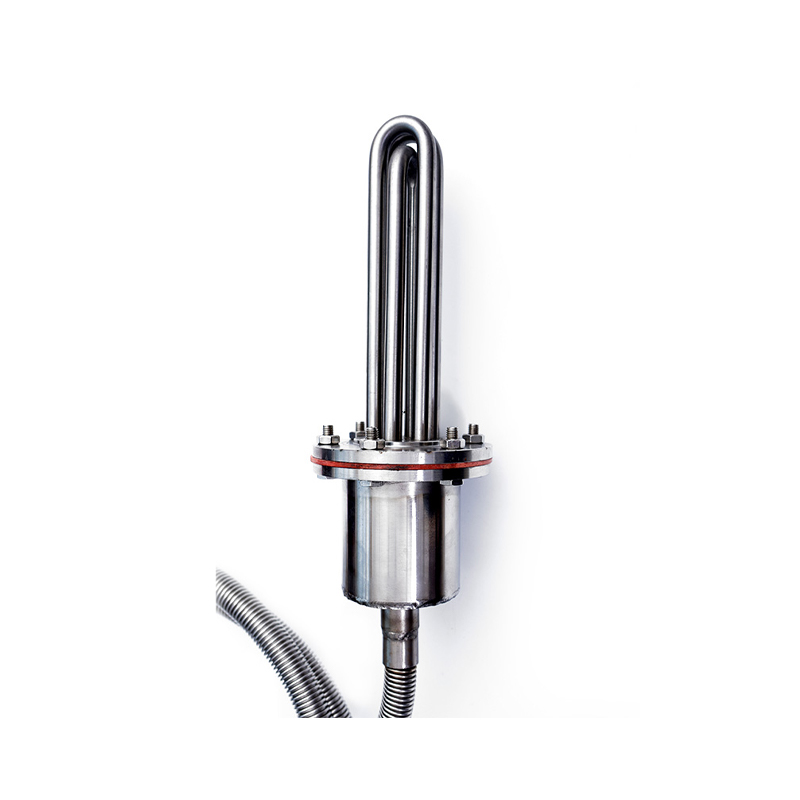
Immersion flange heaters are the most efficient and reliable direct heating solution for industrial liquids, offering rapid heat transfer, easy installation, and robust durability in demanding environments. By directly transferring electrical energy into the target liquid, they eliminate the thermal lag and energy loss associated with indirect heating methods. For any industry requiring consistent and controlled heating of water, oils, chemicals, or viscous fluids, these heaters provide an unmatched combination of performance and scalability.
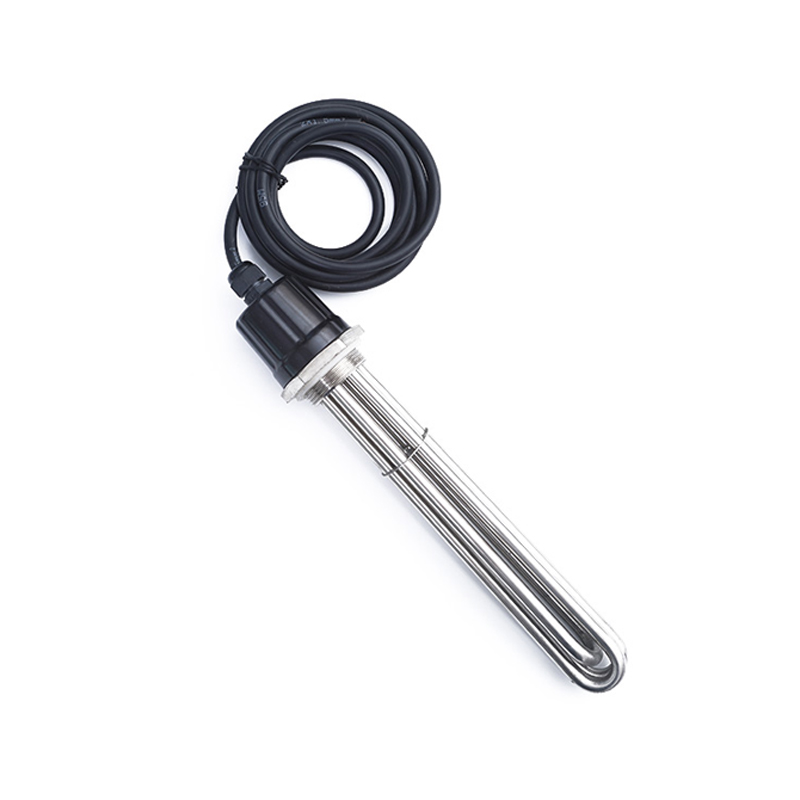
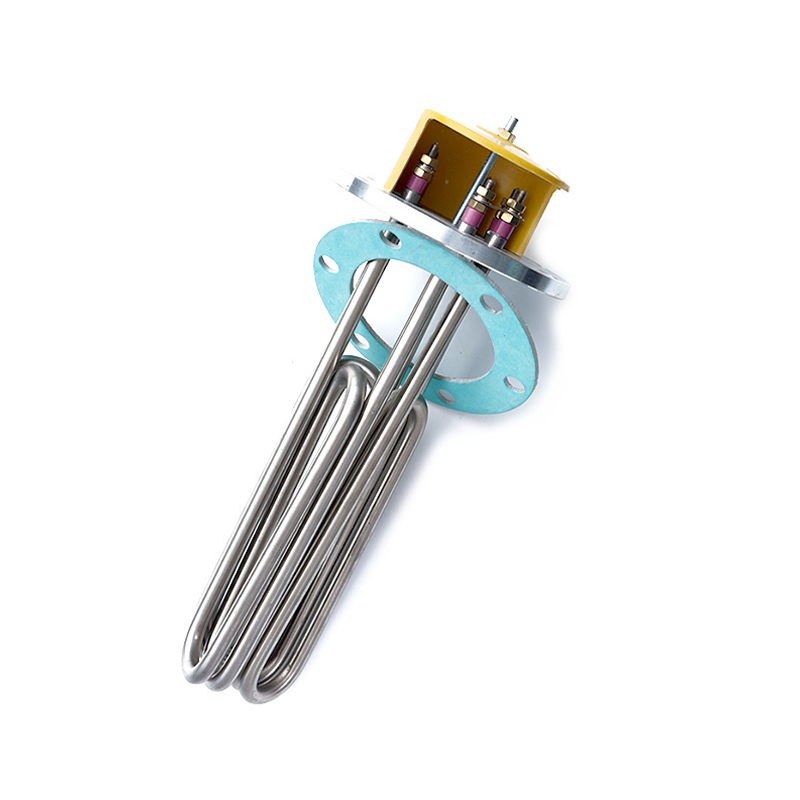
The fundamental advantage lies in their design: a flange mounting system supports multiple heating elements (often tubular) that project directly into the liquid tank. This ensures maximum surface contact between the heating element and the medium, achieving near-perfect energy conversion. Whether managing the viscosity of heavy crude oil, maintaining process temperatures in chemical reactors, or preventing freezing in cold climates, the immersion flange heater remains the standard for direct liquid heating.
Understanding how immersion flange heaters operate requires a look at their basic physical and electrical principles. The core of the system consists of tubular heating elements, which are essentially metal sheaths enclosing a resistive wire. When electrical current passes through this wire, it generates heat. The sheath material—often stainless steel, carbon steel, or exotic alloys like Incoloy—conducts this heat outward into the surrounding liquid.
The flange is the critical structural component that anchors the heater to the tank wall. It is typically a flat, circular plate with bolt holes that match the corresponding flange on the tank or vessel. The heating elements are welded into the flange face using specialized processes to ensure a leak-proof seal. The size of the flange—such as standard industrial diameters—dictates how many heating elements can be installed. A larger flange accommodates more elements, allowing for higher kilowatt densities and greater heat output without increasing the watt density per individual element, which is vital for preventing fluid degradation.
Direct immersion guarantees superior thermal transfer through convection. As the fluid immediately surrounding the heating elements warms up, its density decreases, causing it to rise. Cooler fluid rushes in to replace it, creating natural convection currents that distribute heat throughout the tank. In applications with highly viscous fluids, agitators or careful element spacing are often employed to force convection, ensuring uniform temperatures and preventing localized hot spots that could damage the product.
The versatility of immersion flange heaters makes them indispensable across a wide array of sectors. Their ability to be customized in terms of sheath material, watt density, and control mechanisms allows them to seamlessly integrate into diverse operational frameworks.
| Industry Sector | Typical Fluid Heated | Recommended Sheath Material |
|---|---|---|
| Petrochemical | Heavy Crude Oil, Lubricants | Carbon Steel, Stainless Steel |
| Water Treatment | Process Water, Mild Chemicals | Incoloy, Stainless Steel |
| Chemical Processing | Corrosive Solutions, Solvents | Hastelloy, Titanium |
| Food and Beverage | Water, Food-Grade Oils | Passivated Stainless Steel |
In the petrochemical sector, managing fluid viscosity is a primary concern. Heavy oils and bitumen are too thick to pump at ambient temperatures. Immersion flange heaters are installed directly in storage tanks or pipelines to heat the oil, lowering its viscosity and enabling smooth flow through transfer pumps. The heating process must be carefully controlled; if the watt density is too high, the oil can crack or carbonize on the element sheath, severely reducing the heater's lifespan.
Large-scale industrial facilities often require massive volumes of hot water or low-pressure steam for cleaning, processing, or facility heating. Immersion flange heaters provide a clean, electrically powered alternative to gas-fired boilers. They are frequently used in closed-loop systems where precise temperature control is necessary to maintain process integrity, ensuring that water temperatures remain stable within tight tolerances.
Chemical processing plants use immersion heaters to maintain the reaction temperatures of various solutions. Because many chemicals are highly corrosive, standard steel sheaths are insufficient. Using high-nickel alloys like Inconel or Hastelloy ensures the heating elements resist chemical attack while maintaining structural integrity at elevated temperatures. These heaters often feature specialized terminal enclosures to prevent corrosive vapors from reaching the electrical connections.
Selecting the wrong immersion flange heater can lead to premature failure, process inefficiency, or safety hazards. Engineers must carefully evaluate several critical variables before specifying a heater for a particular application. A thorough understanding of the fluid properties and the tank geometry is essential for optimal performance.
The physical characteristics of the heated fluid dictate the operational parameters of the heater. Ignoring fluid properties is the leading cause of heater failure in industrial settings. Engineers must adjust the heater's design to accommodate the specific behavior of the liquid under thermal stress.
As mentioned, high-viscosity fluids like heavy oils do not flow easily. When heated by a high-watt-density element, the thin layer of oil in immediate contact with the sheath can reach extreme temperatures while the bulk of the fluid remains cold. This causes the oil to break down, forming a carbonized layer on the sheath. Carbon acts as an insulator, trapping heat inside the element, which eventually causes the resistive wire to burn out. For viscous fluids, lower watt density and element bundling that promotes fluid flow are essential.
Fluids containing chlorides or other aggressive ions can cause pitting and stress corrosion cracking in certain metals. Even water quality matters; hard water leads to calcium and magnesium scale buildup on the elements, which also insulates the heater and leads to burnout. In such cases, sheath materials that resist scaling, or periodic chemical cleaning of the elements, are necessary to maintain operational efficiency.
Proper installation is as important as proper selection. Even a perfectly specified immersion flange heater will fail prematurely if installed incorrectly. Following established engineering guidelines ensures safe operation and longevity.
Industrial immersion flange heaters operate in harsh conditions, and routine maintenance is required to keep them running efficiently. Proactive maintenance not only prevents unexpected downtime but also extends the functional life of the equipment, offering significant cost savings over time.
Over time, minerals in water or particulates in oil will accumulate on the heating elements. This buildup acts as thermal insulation, forcing the internal resistive wire to operate at much higher temperatures to transfer the same amount of energy into the fluid. Regular mechanical cleaning or chemical descaling—using solutions compatible with the sheath material—removes this buildup and restores efficient heat transfer.
Thermal cycling (the repeated expansion and contraction from heating and cooling) can cause electrical terminals to loosen over time. Loose connections increase electrical resistance at the terminal, generating localized heat that can melt wiring or damage the terminal enclosure. During scheduled shutdowns, maintenance personnel should use a torque wrench to verify that all electrical connections are tightened to the manufacturer's specifications. Utilizing infrared thermography during operation is an excellent non-invasive method to detect overheating terminals before they fail.
When heating volatile or flammable fluids, safety becomes the paramount concern. The electrical energy that powers the heater is a constant ignition source, and the heater's design must prevent catastrophic accidents in the event of a fluid leak or vapor release.
In petrochemical and chemical plants, the atmosphere may contain explosive gases or vapors. If a spark from an electrical relay or a failing terminal ignites these vapors, the resulting explosion can travel back into the tank. Explosion-proof terminal enclosures are engineered to contain an internal explosion without allowing the flame or hot gases to escape into the surrounding atmosphere. They are heavily constructed and feature precisely machined flame paths that cool escaping gases below the ignition temperature of the external environment.
Relying solely on the primary process temperature controller is insufficient for safety. If the controller fails or the liquid level drops, the heater will rapidly exceed safe operating temperatures. Every immersion flange heater should incorporate independent high-limit temperature sensors. These mechanical or electronic switches physically break the power circuit if the sheath temperature approaches dangerous levels, preventing fluid degradation, element burnout, and potential fires.
Modern industrial facilities demand precise temperature control and maximum energy efficiency. Integrating advanced control systems with immersion flange heaters optimizes process quality and reduces operational costs, ensuring that energy is consumed only when and where it is needed.
Traditional mechanical contactors cycle the power to the heater fully on or fully off. This can lead to temperature overshoots and subject the electrical components to mechanical wear. Silicon Controlled Rectifiers (SCR) provide proportional control, rapidly switching the power on and off in fractions of a second to maintain a highly consistent temperature. SCR control eliminates thermal overshoot, extends heater life by reducing thermal shock, and significantly improves process accuracy.
Contemporary heater control panels are often integrated directly into the facility's Programmable Logic Controller (PLC) or Distributed Control System (DCS). This allows operators to monitor real-time data, adjust setpoints remotely, and receive immediate alarms if the heater approaches a fault condition. Data logging capabilities enable process engineers to analyze heating trends, optimize energy consumption, and predict when maintenance will be required, shifting the operational paradigm from reactive to predictive.
What Is the Difference Between Various Cartridge Heater Element Types?
May 01,2026
How to choose suitable stainless band heater for production equipment?
May 15,2026Your email address will not be published. Required fields are marked *