

 English
 русский
 عربى
عربى
Product Consultation
Your email address will not be published. Required fields are marked *
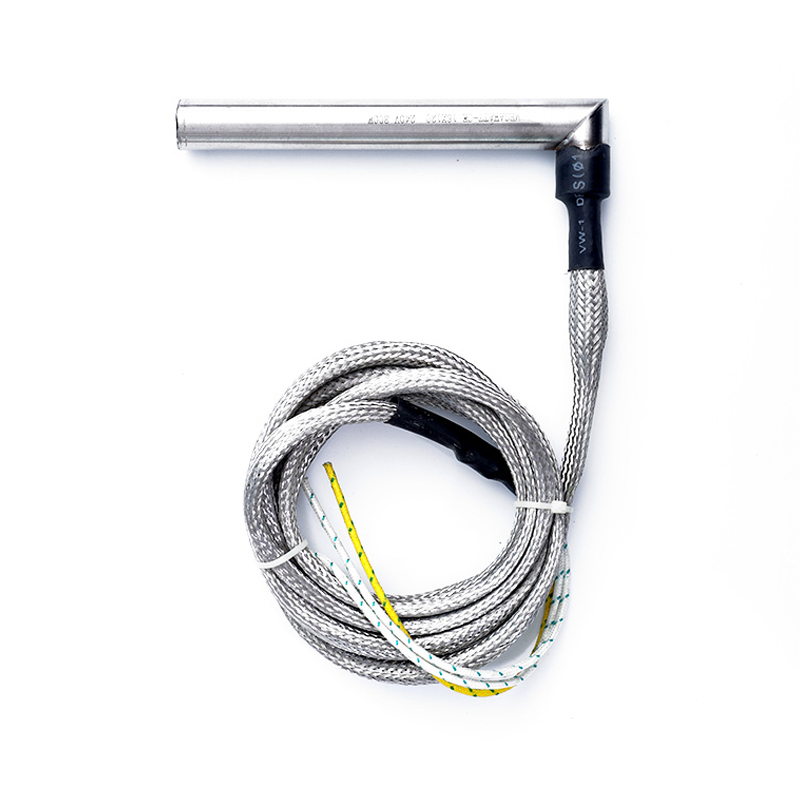
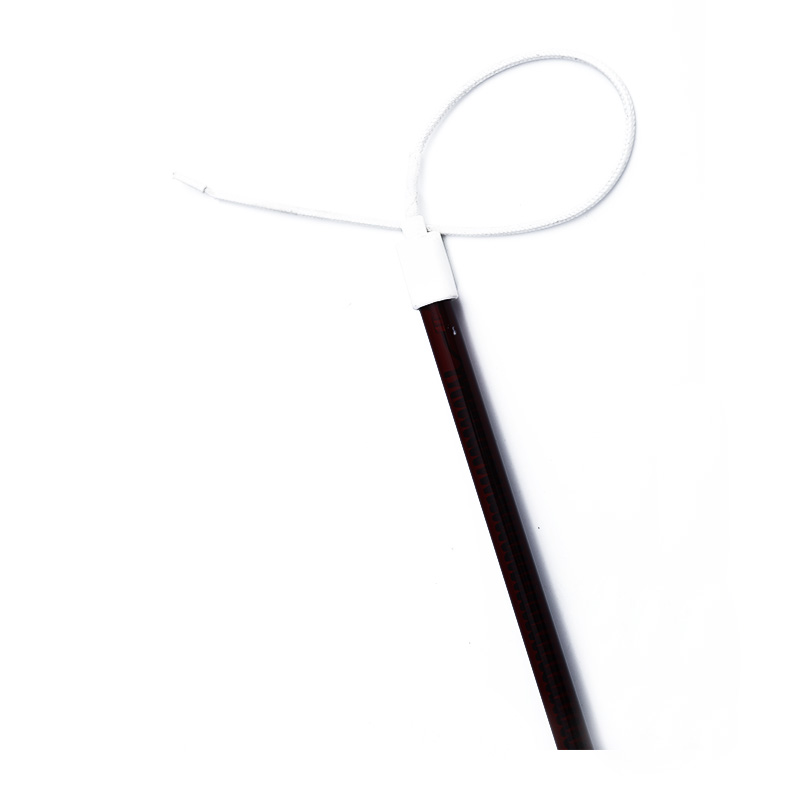
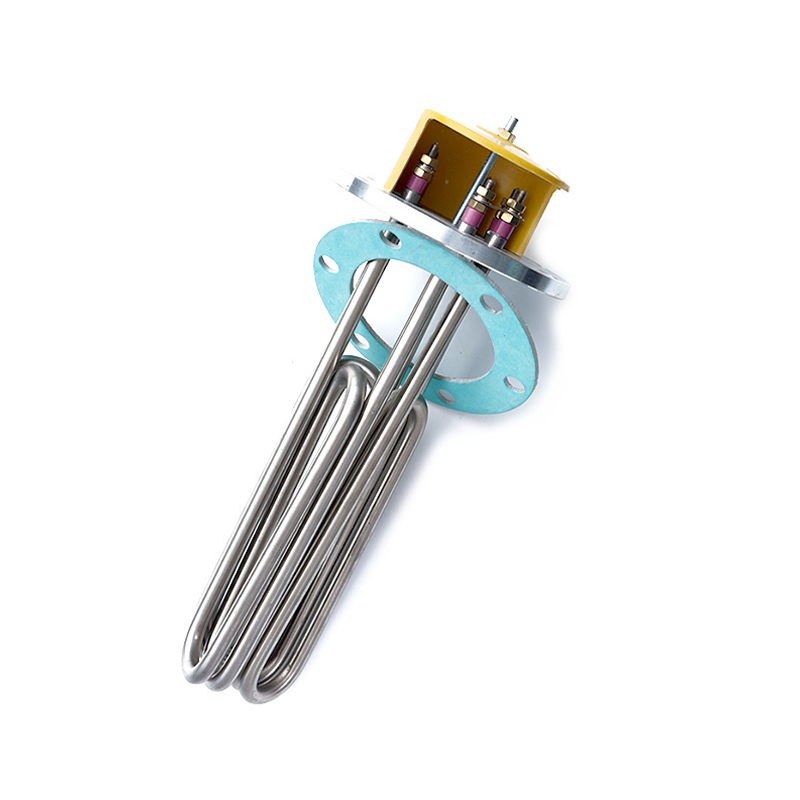
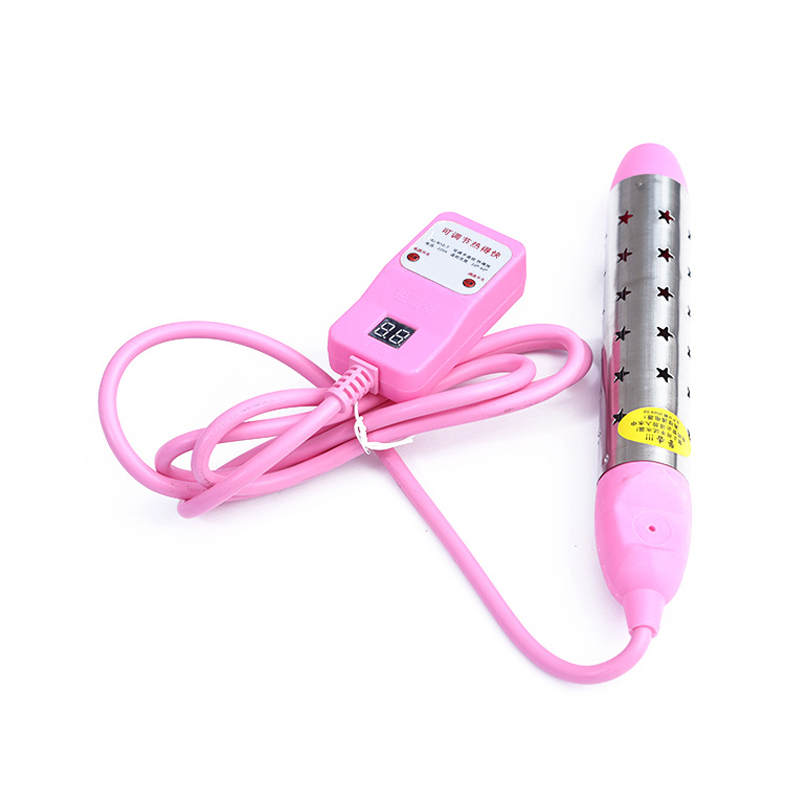
Special electric heating elements are the definitive solution for extreme thermal environments where standard off-the-shelf heaters consistently fail. Unlike conventional heating components designed for mild or standard industrial conditions, these specialized variants are engineered with advanced materials and bespoke geometries to withstand severe chemical corrosion, ultra-high thermal cycling, and massive physical compression. The primary conclusion is that investing in specially engineered electric heating elements directly prevents catastrophic equipment failure, drastically reduces maintenance downtime, and ensures stable thermal output in highly demanding operational scenarios. When standard elements degrade rapidly due to aggressive media or extreme temperature fluctuations, substituting them with purpose-built special elements is the only viable, long-term strategy for maintaining process integrity and operational safety across heavy industries, scientific research facilities, and specialized manufacturing plants.
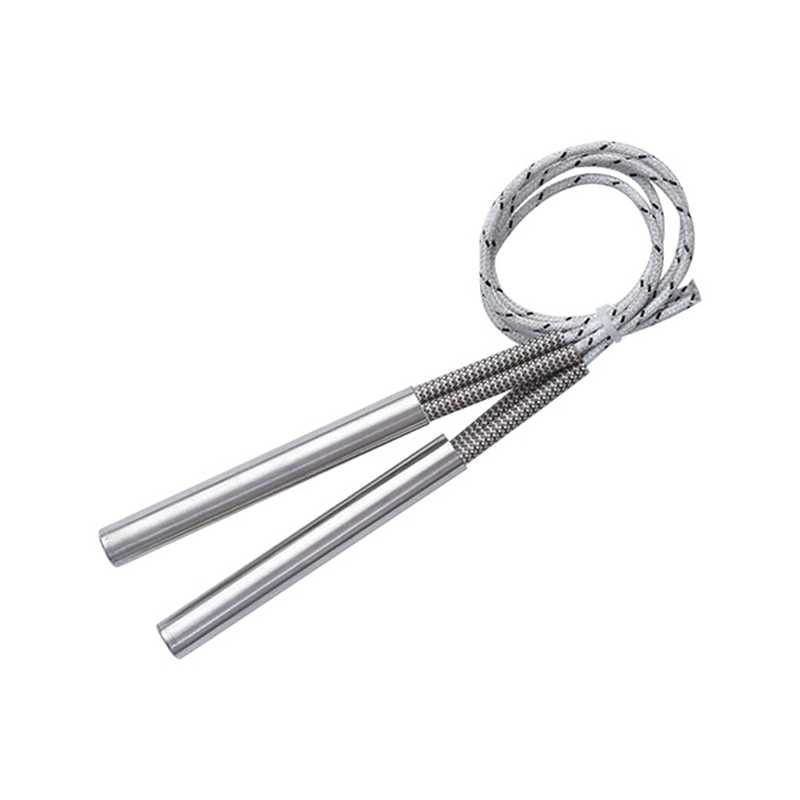
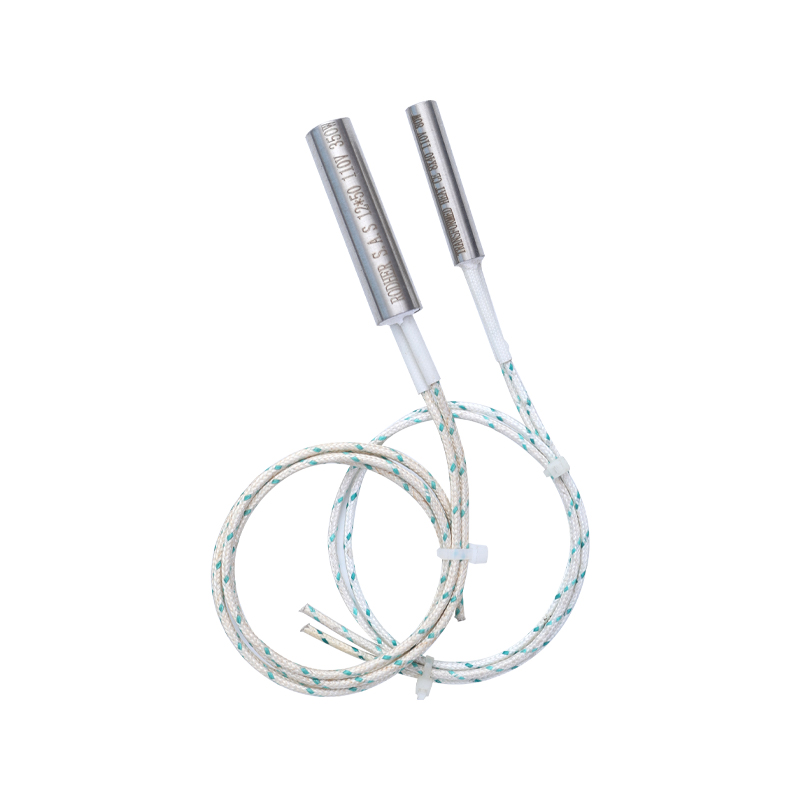
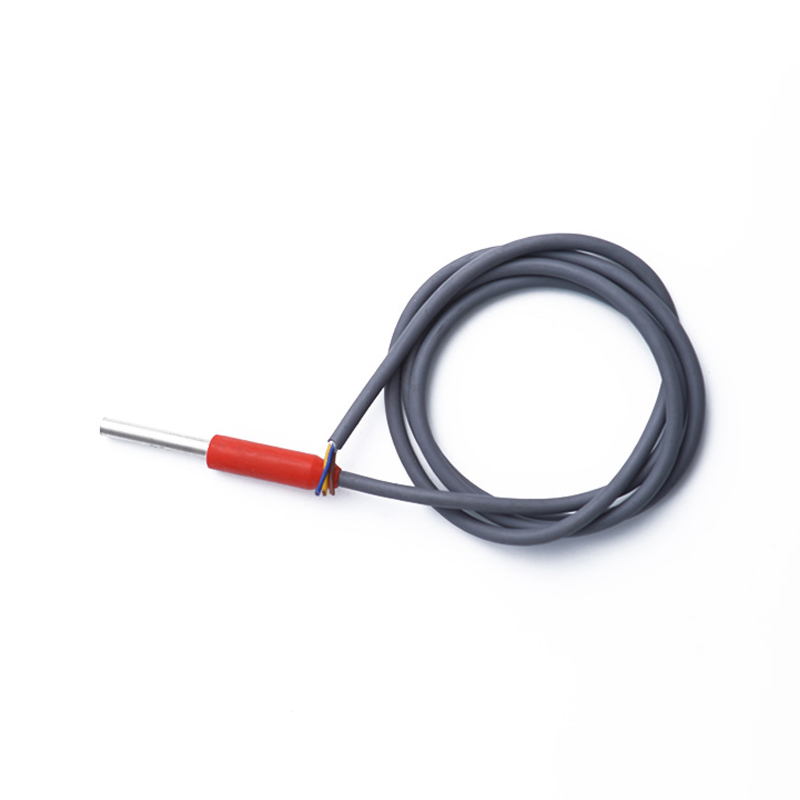
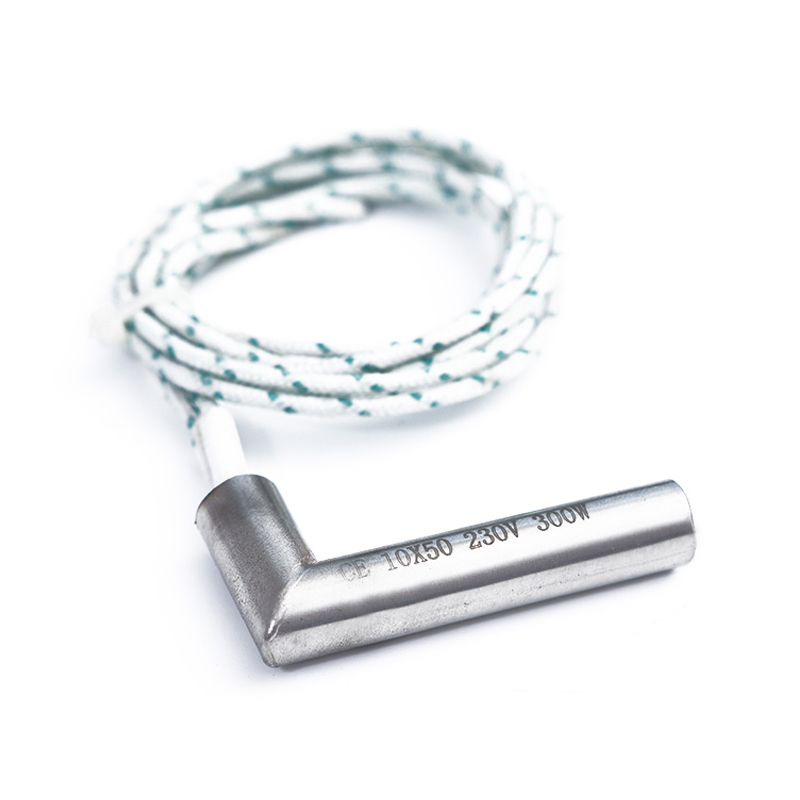
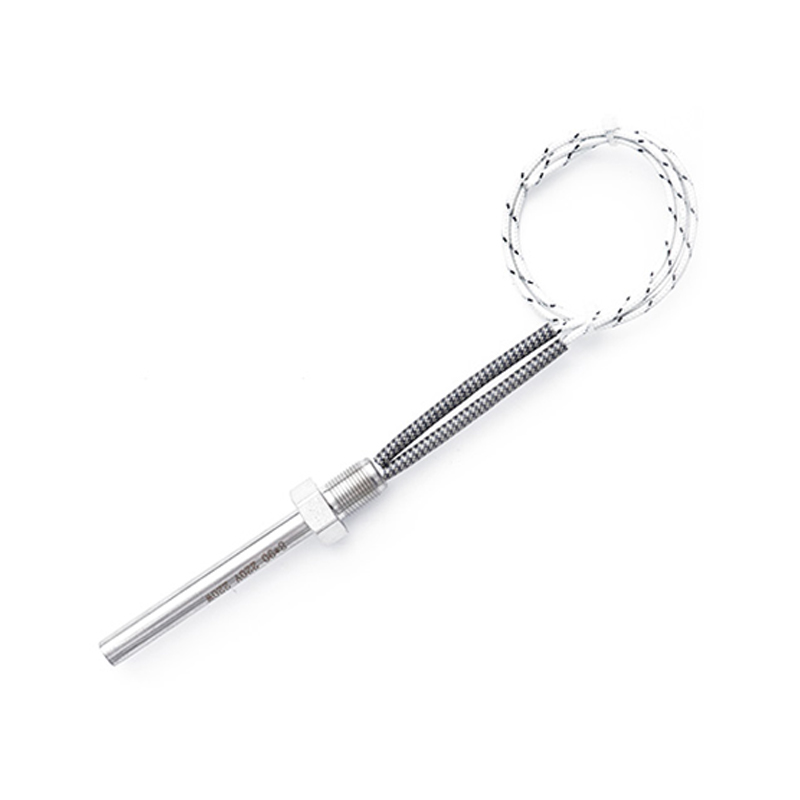
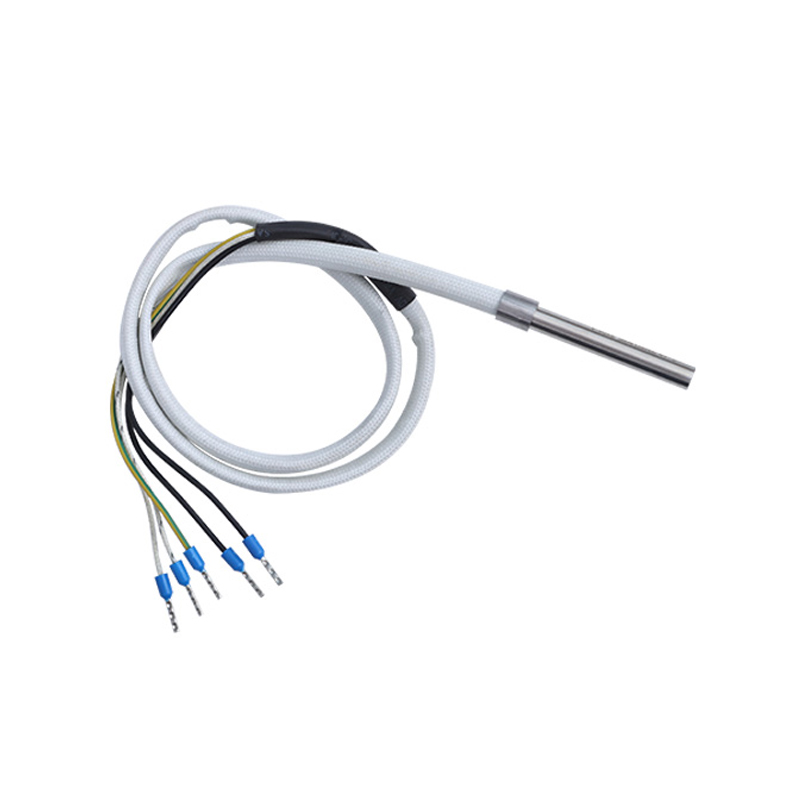
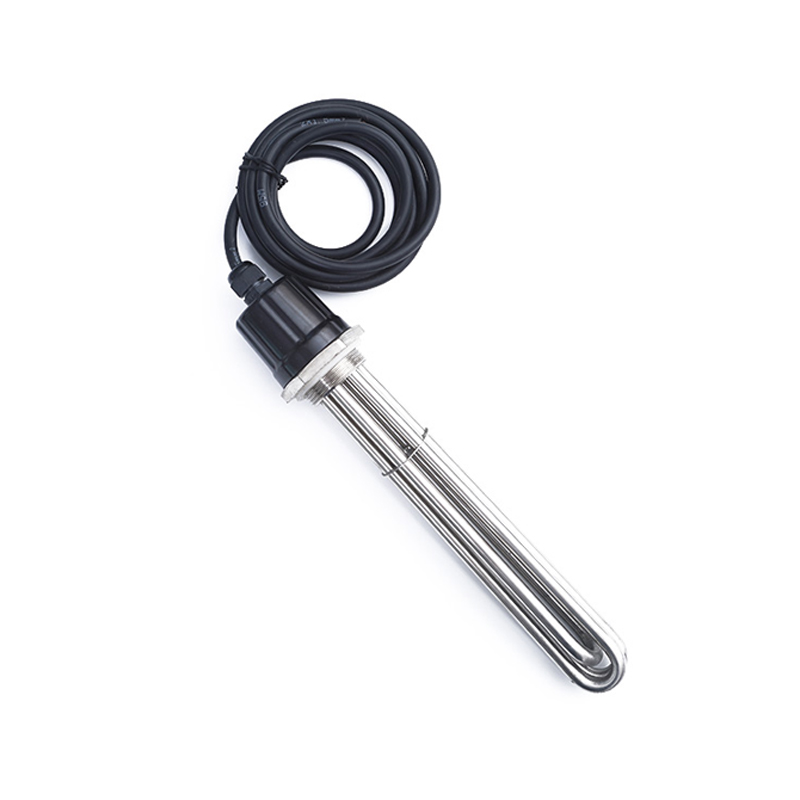
To fully appreciate their value, one must understand what separates a special electric heating element from a standard one. A standard tubular or cartridge heater is typically manufactured using basic stainless steel sheaths and standard resistance wire, suitable for heating air, water, or mild oils within typical atmospheric pressure. Special electric heating elements, however, are defined by their departure from these baseline configurations. They utilize exotic metallurgy, specialized ceramic insulators, and highly specific physical forms to address targeted thermal challenges that cannot be resolved by catalog products.
The core characteristics of these elements revolve around material resilience and geometric adaptability. For instance, when a manufacturing process requires heating a highly corrosive chemical bath at elevated temperatures, a standard steel-sheathed element would dissolve or pit within a very short timeframe. A special element might utilize a titanium or specialized high-nickel alloy sheath, specifically chosen for its passive oxide layer that resists chemical attack. Similarly, if a process involves heating a solid mass under extreme physical pressure, the element must feature a robust, thick-walled construction to prevent deformation. The defining trait of these components is their custom-tailored nature, ensuring that the heating solution perfectly matches the exact physical and chemical parameters of the target environment rather than forcing the environment to accommodate the heater.
The performance ceiling of any electric heating element is determined almost entirely by the materials used in its construction. For special electric heating elements, material selection is a rigorous science that dictates whether the component will survive for weeks or for years. The sheath material acts as the first line of defense against the external environment, while the internal resistance alloy and electrical insulation determine the maximum achievable temperature and the longevity of the element.
The sheath is the physical barrier between the resistance wire and the process media. In aggressive environments, standard stainless steels are entirely insufficient. High-nickel alloys are frequently deployed because they maintain structural integrity at elevated temperatures and resist oxidizing and reducing atmospheres. For highly corrosive liquid environments, such as plating baths or chemical reactors, titanium sheaths are utilized due to their exceptional resistance to chloride-induced pitting. In applications involving molten metals or extreme direct heat, specialized ceramic or silicon carbide sheaths are employed. Choosing the correct sheath material is the single most critical factor in preventing premature heater failure in chemically aggressive or thermally extreme settings.
Inside the sheath, the electrical resistance wire must be electrically isolated from the sheath itself. This is achieved using compacted magnesium oxide powder, which serves as an excellent electrical insulator while also possessing high thermal conductivity. However, in special elements exposed to moisture or high-pressure environments, standard magnesium oxide can absorb water, leading to electrical short circuits. To combat this, special elements often use sealed terminations, high-purity compressed magnesium oxide, or alternative ceramic insulators that prevent moisture ingress. The resistance wire itself is also upgraded in special elements; standard nichrome may be replaced with iron-chromium-aluminum alloys that can withstand higher continuous operating temperatures without sagging or embrittlement.
| Material Component | Standard Application | Special Element Application |
|---|---|---|
| Sheath Material | Basic Stainless Steel | High-Nickel Alloys, Titanium, Silicon Carbide |
| Resistance Wire | Standard Nichrome | Advanced Iron-Chromium-Aluminum Alloys |
| Insulation | Standard Magnesium Oxide | High-Purity Sealed Magnesium Oxide |
The deployment of special electric heating elements spans a wide array of industries where failure is not an option. These are not components found in residential appliances; they are the heavy-duty workhorses of modern industry and advanced scientific research. Their applications are driven by the need for absolute reliability in environments that actively destroy standard equipment.
In chemical processing plants, heaters are often submerged directly into highly corrosive acids, caustic solutions, or reactive slurries. A standard heater would quickly succumb to uniform corrosion or pitting, leading to contamination of the chemical batch and potential exposure of live electrical parts to the fluid. Special electric heating elements designed for these environments feature seamless sheaths, specialized welded terminations, and materials like titanium or fluoropolymer coatings. They ensure that the heat is transferred efficiently without becoming a source of contamination or a critical failure point. In petrochemical cracking and refining, special heaters must simultaneously handle high temperatures, immense pressures, and chemically aggressive hydrocarbons, making specialized construction mandatory.
The extrusion of plastics and rubbers requires precise, zone-controlled heating of barrels and dies. However, certain polymers, such as polyvinyl chloride (PVC), release highly corrosive gases when heated. If standard heaters are used, the internal components will corrode rapidly, leading to sudden open circuits and costly production line shutdowns. Special electric heating elements for extrusion are built with internal protections against these corrosive off-gases, featuring specialized terminal seals and corrosion-resistant internal wiring. Furthermore, these special elements are often designed with highly specific geometries to ensure maximum surface contact with the extrusion barrel, minimizing thermal lag and improving the overall energy efficiency of the manufacturing process.
Scientific research often demands heating in highly controlled, unusual, or extreme conditions. This can include heating within vacuum chambers, high-pressure autoclaves, or environments exposed to intense magnetic fields. Special electric heating elements for these applications must be designed to outgas at negligible rates to prevent contaminating the vacuum or must be constructed from non-magnetic materials to prevent interference with the experimental apparatus. The precision required in scientific heating often necessitates custom wattage densities and highly specialized physical forms that simply do not exist in standard heater catalogs.
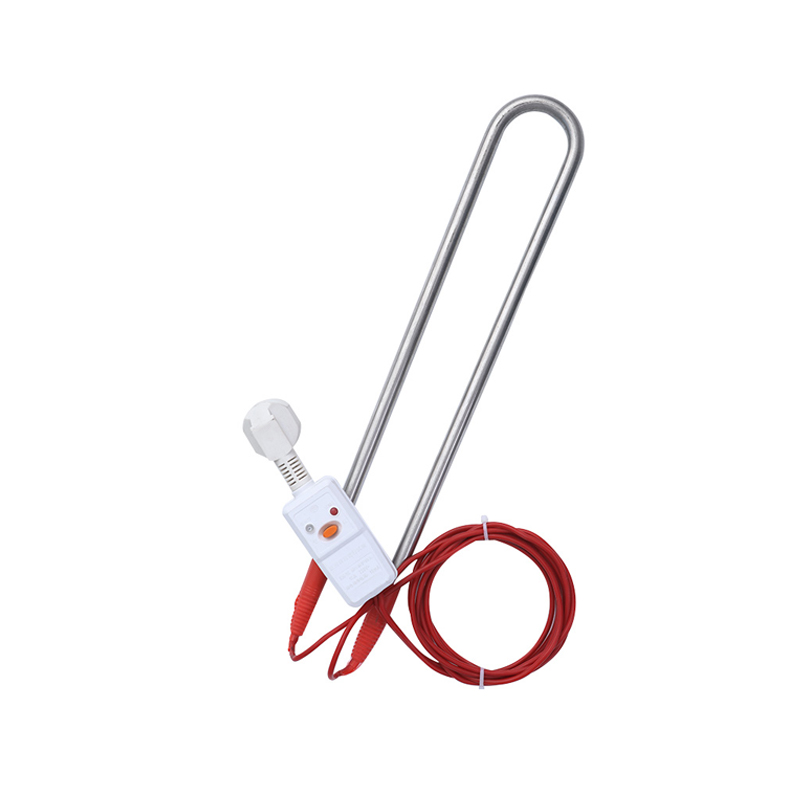
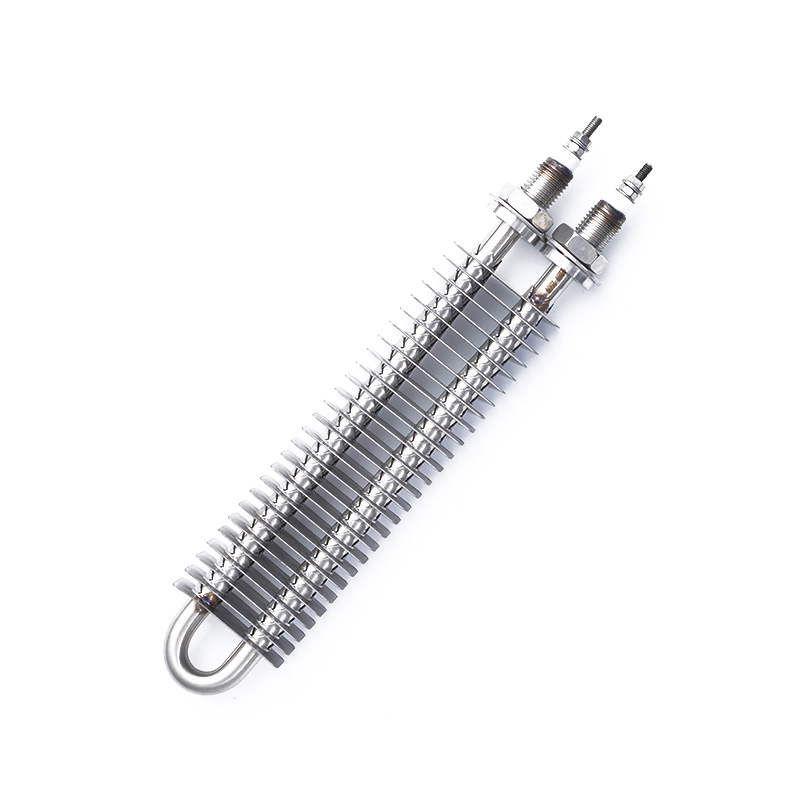
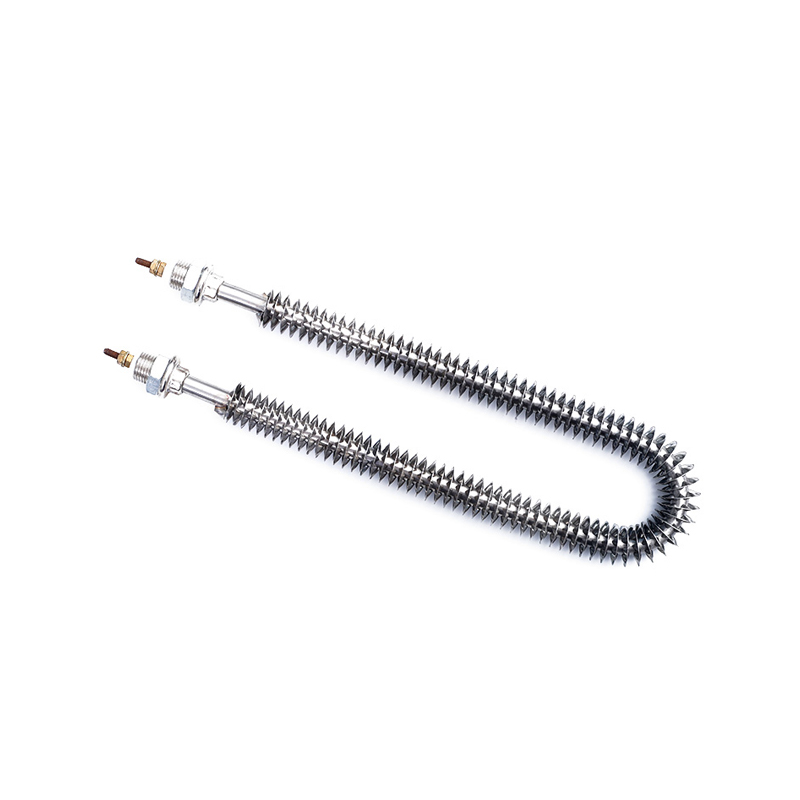
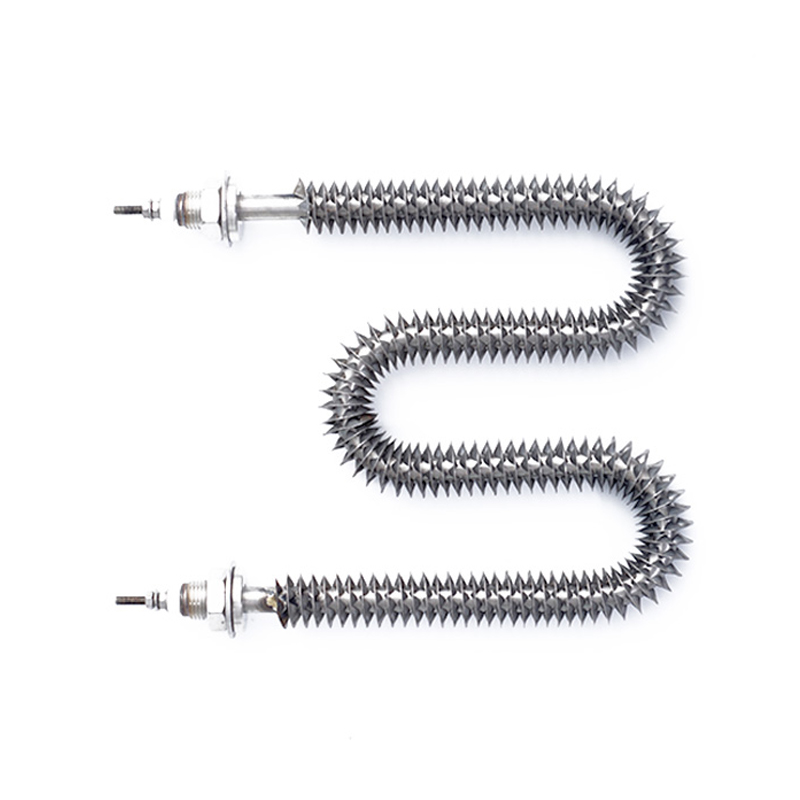
Beyond material science, the physical shape and geometric configuration of special electric heating elements play a pivotal role in their functionality. Standard heaters are typically limited to basic straight tubes, simple U-bends, or standard cylindrical cartridges. Special elements break free from these limitations, adopting complex geometries that integrate directly into the machinery they are designed to heat.
For example, in the packaging industry, heaters must often conform to the exact shape of sealing bars, which can feature intricate cutouts, angled surfaces, or varying widths. A special electric heating element can be designed as a complex, multi-sided shape that perfectly matches the sealing bar, ensuring uniform heat distribution across the entire sealing surface and eliminating cold spots that would cause defective seals. In the semiconductor industry, heaters must fit into incredibly tight spaces with strict tolerances, requiring micro-scale geometric precision. The ability to engineer the physical form of the heater to match the exact contour of the heated surface is what allows special elements to achieve superior thermal transfer efficiency compared to standard off-the-shelf alternatives.
Watt density—the amount of heat energy dissipated per unit area of the heater surface—is a critical metric in heater design. If the watt density is too high for a given application, the heater sheath will burn out, or the material being heated will scorch, degrade, or carbonize. If the watt density is too low, the system will be slow to reach operating temperature, wasting time and energy. Special electric heating elements are designed with precise watt density control tailored to the specific thermal properties of the target material.
For example, heating a high-viscosity polymer requires a very low watt density to prevent the polymer from degrading at the contact surface, while heating a high-velocity gas flow in a wind tunnel requires a very high watt density to achieve the necessary temperature rise in the limited contact time. Standard heaters offer fixed watt densities based on generic assumptions. Special elements allow engineers to manipulate the heater's active heating zones, adjusting the wattage distribution along the length of the element to match the specific heat transfer characteristics of the process. Proper watt density matching in special elements prevents thermal degradation of the process material while maximizing energy efficiency and extending the operational life of the heater itself.
Modern special electric heating elements are rarely just simple resistive components; they are increasingly integrated with advanced sensor technologies to provide real-time thermal feedback and enhance operational safety. In many high-stakes industrial processes, knowing the exact temperature of the heater sheath or the surrounding process media is crucial for preventing runaway reactions or equipment damage.
Special elements can be manufactured with built-in thermocouples or resistance temperature detectors (RTDs) embedded directly within the heater structure. This allows the temperature sensor to be positioned in the most critical thermal zone, providing highly accurate, localized temperature readings with minimal thermal lag. In environments where external sensors cannot be installed due to space constraints or aggressive media, this internal sensing capability is invaluable. The integration of embedded sensors transforms the special electric heating element from a dumb energy-dissipating component into an intelligent, self-monitoring thermal management device. This closed-loop feedback capability is essential for maintaining tight temperature tolerances in advanced manufacturing and scientific processes.
| Sensor Type | Best Suited For | Key Advantage |
|---|---|---|
| Type J Thermocouple | General Moderate Temperature | Cost-effective and reliable |
| Type K Thermocouple | High Temperature Environments | Wide operating temperature range |
| RTD (Pt100) | Precision Scientific Processes | Highly accurate and stable output |
A common barrier to the adoption of special electric heating elements is the initial purchase price, which is invariably higher than that of standard, mass-produced heaters. However, evaluating these components solely on their upfront cost is a fundamentally flawed approach that ignores the broader economic picture. The true value of a heating element must be assessed through the lens of Total Cost of Ownership, which accounts for purchase price, installation costs, energy consumption, maintenance labor, and the financial impact of production downtime.
In a continuous manufacturing process, an unscheduled shutdown caused by a burned-out standard heater can cost thousands of dollars per hour in lost production, wasted raw materials, and labor costs. If a standard heater fails repeatedly over a year, the cumulative cost of these shutdowns vastly outweighs the initial savings on the heater itself. Special electric heating elements, by virtue of their robust construction and tailored design, exhibit significantly longer mean time between failures. While the initial capital expenditure for special electric heating elements is higher, their extended operational lifespan, reduced maintenance frequency, and prevention of catastrophic downtime result in a substantially lower total cost of ownership over the lifecycle of the equipment.
Even the most robustly engineered special electric heating elements require a strategic approach to maintenance to ensure they reach their maximum designed lifespan. The harsh environments these elements operate in mean that neglect can still lead to premature degradation, albeit at a slower rate than standard components. A proactive, predictive maintenance strategy is far more effective than a reactive one.
One of the most critical maintenance practices is the regular monitoring of electrical insulation resistance. As heaters age, especially those operating in humid or corrosive environments, moisture or conductive contaminants can penetrate the termination areas, causing a drop in insulation resistance. If left unchecked, this can lead to ground fault failures. Regular megohmmeter testing can identify this degradation early, allowing for remedial actions such as drying out terminations or replacing sealing gaskets before a catastrophic electrical failure occurs. Furthermore, careful visual inspections of the sheath for signs of localized overheating, discoloration, or mechanical damage during scheduled shutdowns can provide early warnings of impending failure. Implementing a rigorous schedule of insulation resistance testing and visual inspections is essential for extracting the maximum operational life from special electric heating elements.
The field of special electric heating elements is not static; it continues to evolve in response to increasingly demanding industrial requirements and broader technological shifts. One of the most significant future trends is the integration of smart heating technologies, utilizing the Internet of Things (IoT). Future special elements will feature embedded wireless transmitters that broadcast real-time data on sheath temperature, wattage consumption, and insulation integrity directly to central control systems, enabling entirely autonomous predictive maintenance algorithms.
Another major trend is the development of advanced nano-structured materials for both sheaths and internal insulation. Nano-coatings could provide unprecedented levels of chemical resistance and thermal emissivity, allowing heaters to operate in even more aggressive environments while transferring heat more efficiently. Additionally, as industries face increasing pressure to reduce carbon footprints, the efficiency of electric heating becomes paramount. The future will see special electric heating elements designed not just to survive, but to do so with minimal energy waste, utilizing advanced thermal reflecting layers and highly optimized geometries to ensure that every watt of electrical energy is converted into useful process heat. The future of special electric heating elements lies in smart, connected, and highly efficient designs that push the boundaries of material science to achieve unprecedented levels of performance and reliability.
Infrared Heater Types: Short Wave, Medium Wave, and Long Wave — What's the Difference?
Mar 22,2026
How to choose a heater for packaging machinery to save energy and improve efficiency?
Apr 08,2026Your email address will not be published. Required fields are marked *