

 English
 русский
 عربى
عربى
Product Consultation
Your email address will not be published. Required fields are marked *
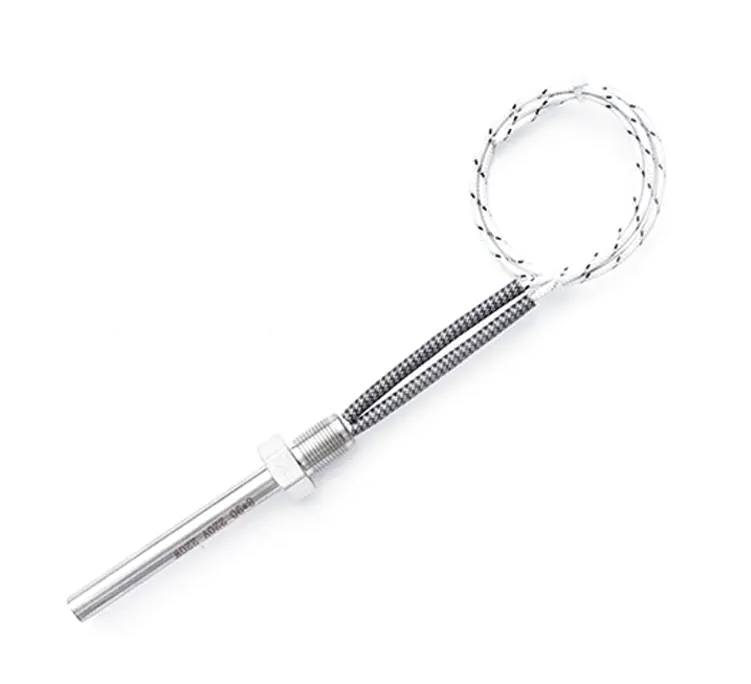
When temperature fluctuations in an injection mold produce flash on plastic parts, or when the sealing bar of a packaging machine fails after three weeks of continuous operation, maintenance engineers often check the cartridge heater element last. The solution is usually not to replace the entire machine, but to revisit the selection and installation parameters of the element itself. A reliable cartridge heater element has a service life determined by watt density, sheath material, the density of the compacted magnesium oxide, and the terminal sealing process, not just by power rating and length.
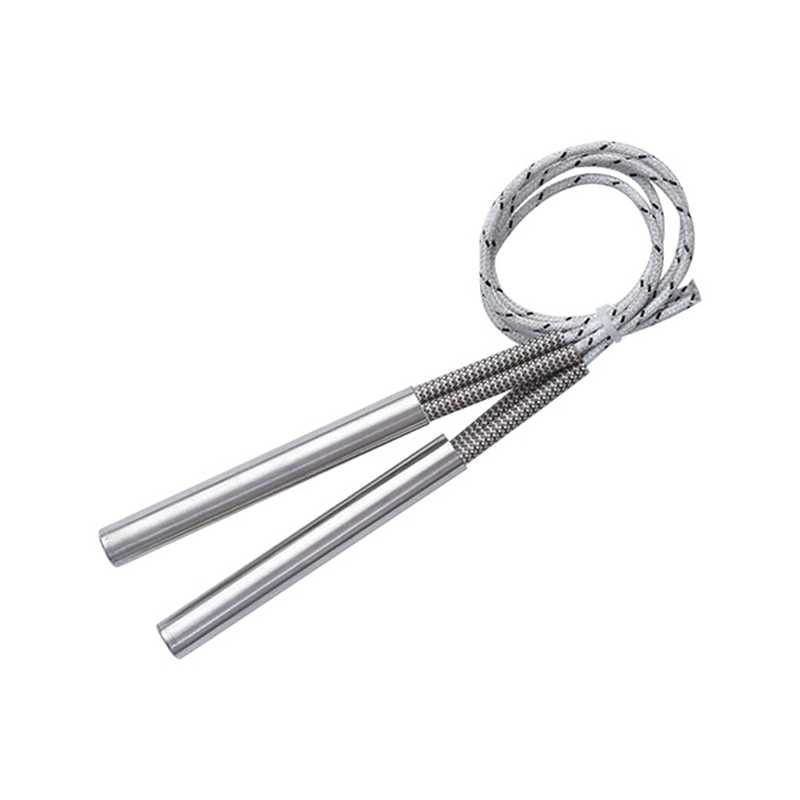
A cartridge heater element is a tube-shaped industrial heating element inserted into drilled holes. Its operating principle relies on a simple yet efficient circuit: a nickel-chromium coil generates heat when powered, dense magnesium oxide insulation transfers that heat to a stainless steel sheath, and the sheath conducts it through close contact with the surrounding metal base. Because the heat source is embedded directly into the object being heated, it delivers fast response and precise localized temperature control, which makes it valuable for molds, hot runners, and other industrial fixtures.
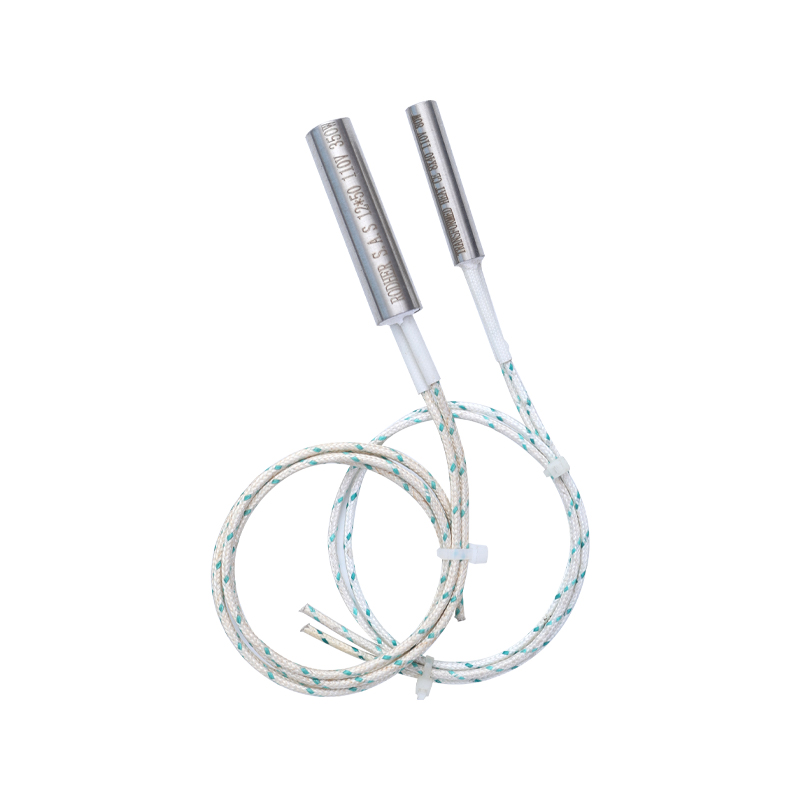
In injection molding and die-casting molds, cartridge heater elements are usually embedded in manifolds or cores. In packaging machinery, they are inserted into channels inside sealing dies. In these applications, the uniformity of surface temperature distribution directly affects dimensional accuracy, appearance quality, and cycle time. When mold installation is involved, a cartridge heater with a fixed blocking plate helps prevent the element from moving during vibration or disassembly, simplifying assembly.
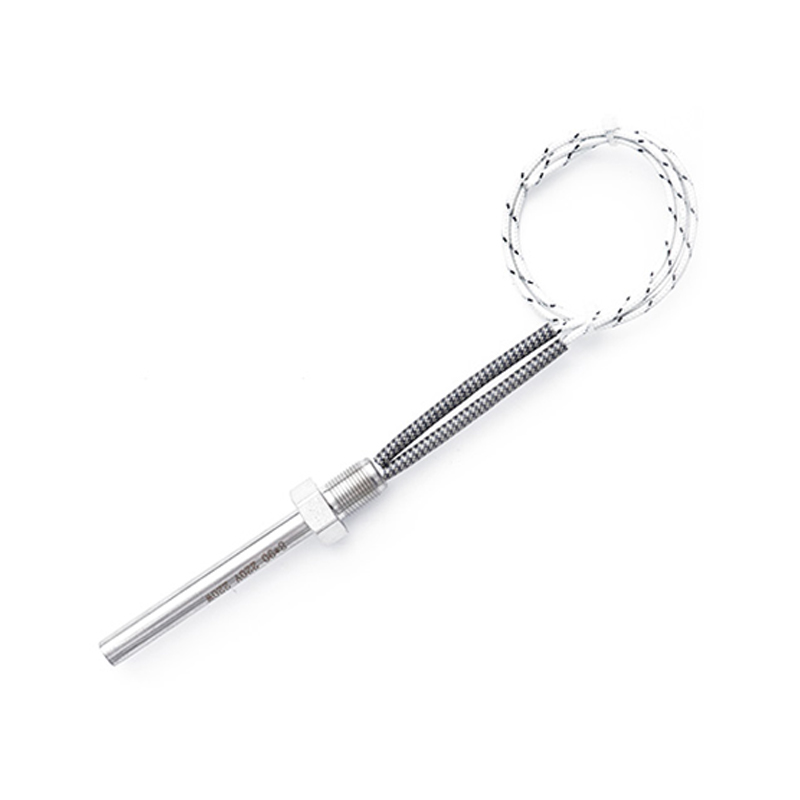
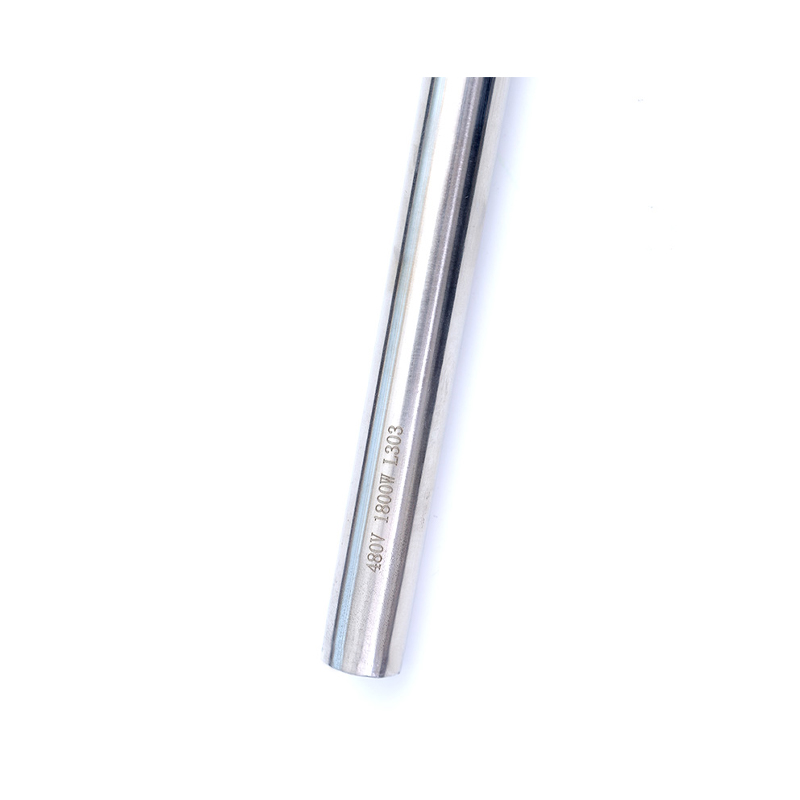 Cartridge Heater with Fixed Blocking Plate for Mold InstallationThis cartridge heater features a fixed blocking plate that prevents movement during assembly and operation. Its reliable construction ensures uniform heat distribution, helping to shorten heating times and improve production efficiency in mold applications.View Product →
The service life of a cartridge heater element depends on four structural factors: sheath material, magnesium oxide insulation density, heating coil quality, and terminal sealing method.
The sheath must withstand operating temperature, mechanical wear, and occasional chemical attack. 304 stainless steel suits most standard mold scenarios. 316 stainless steel resists humidity and mildly corrosive environments better. 321 stainless steel and Incoloy 800/840 are intended for high-temperature or high-watt-density needs. A practical rule is that the higher the sheath temperature, the lower the allowable watt density.
| Sheath Material | Max Sheath Temperature | Recommended Conditions |
|---|---|---|
| 304 Stainless Steel | 400°C | General purpose mold heating |
| 316 Stainless Steel | 400°C | Humid or mildly corrosive environments |
| 321 Stainless Steel | 500°C | High-temperature molding, cyclic heating |
| Incoloy 800 / 840 | 600°C | Extreme heat, high watt density |
Magnesium oxide compaction density, measured in g/cm³, is a key factor in both thermal conductivity and insulation resistance. Low compaction density causes insulation resistance to drop rapidly at high temperature, while higher density provides better thermal paths and reduces the thermal resistance between coil and sheath. For equipment rated below 500 V, cold insulation resistance is normally expected to be at least 100 MΩ, but what matters more is whether it remains stable during hot operation.
The coil material is usually a nickel-chromium alloy, typically 80/20 or 60/16. The wire diameter and number of turns define the element resistance. If the customer needs a specific power output at a specific voltage, the coil design must match. Raising the voltage to obtain more heat will shorten element life, because coil heat increases with the square of the voltage.
The termination is one of the highest failure points. Solder joints exposed to high temperature develop oxidation and mechanical fatigue. Sound terminal designs include metal hose protection, right-angle lead wires, or external terminal blocks. In coolant splash environments, a waterproof terminal structure extends runtime noticeably.
The correct selection sequence is: confirm the drilled hole dimension and effective heated length, then confirm the target operating temperature and allowable sheath temperature, then calculate the power requirement, and finally match voltage and lead-wire configuration. Never start from power.
Watt density is one of the most misunderstood specifications in electric heating element selection. Low density protects heat-sensitive polymers, medium density provides a balanced response, and high density is worth using only when temperature control is precise and the mold material can tolerate it. The table below summarizes typical ranges for practical reference.
| Application | Watt Density Range | Typical Constraint |
|---|---|---|
| Thermoplastic molds | 2–5 W/cm² | Low density to hold viscosity stable |
| Standard mold heating | 5–15 W/cm² | Balanced control and response |
| Die and hot runner | 10–20 W/cm² | Precise control with high-frequency cycles |
| Test fixtures and small tools | 15–25 W/cm² | Tight control of surface temperature |
Cartridge heater elements perform different roles across production environments. In injection molds, they provide the temperature required for plastic filling and holding pressure. In hot runner systems, they work with spring coil heaters to keep melt flow consistent. In packaging machinery, they deliver stable sealing through efficient heat transfer. Different equipment types impose different mechanical requirements on the element.
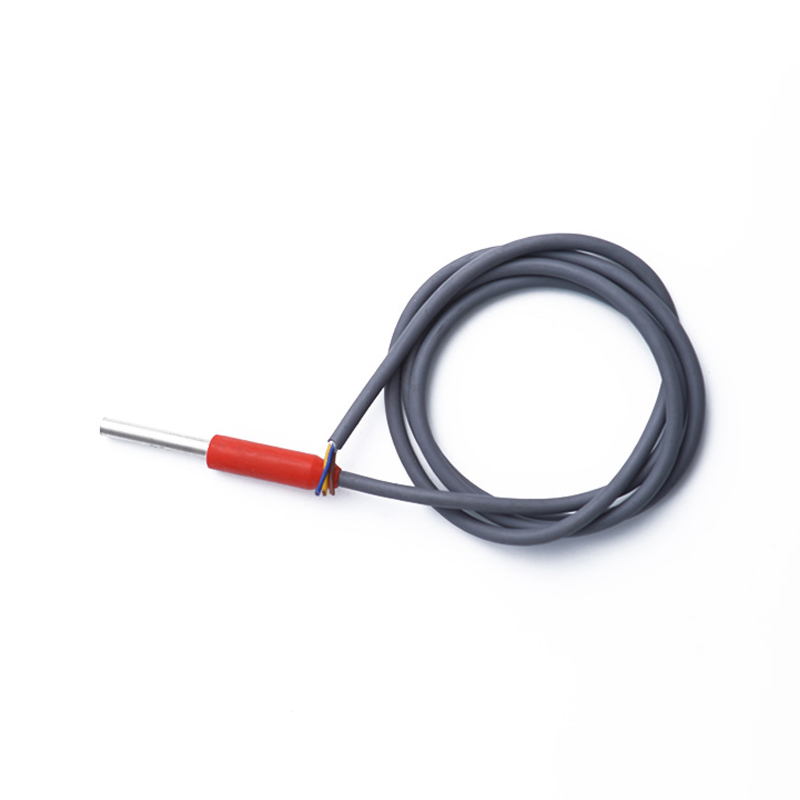
When the operating environment involves coolant splash or high humidity, a waterproof cartridge heater ensures the sealed structure prevents rapid degradation of insulation resistance, avoiding costly unplanned downtime.
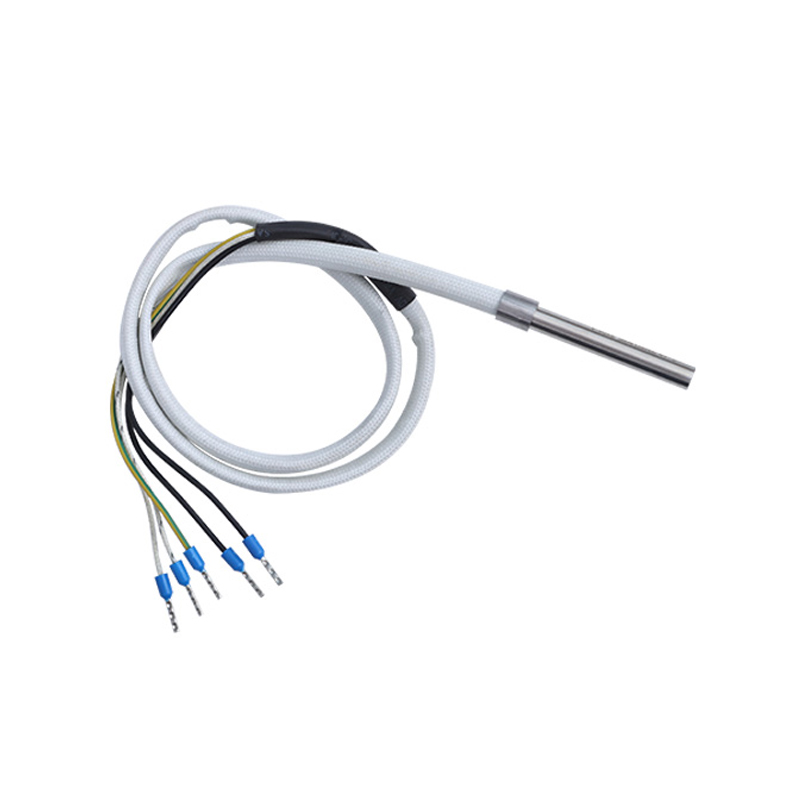
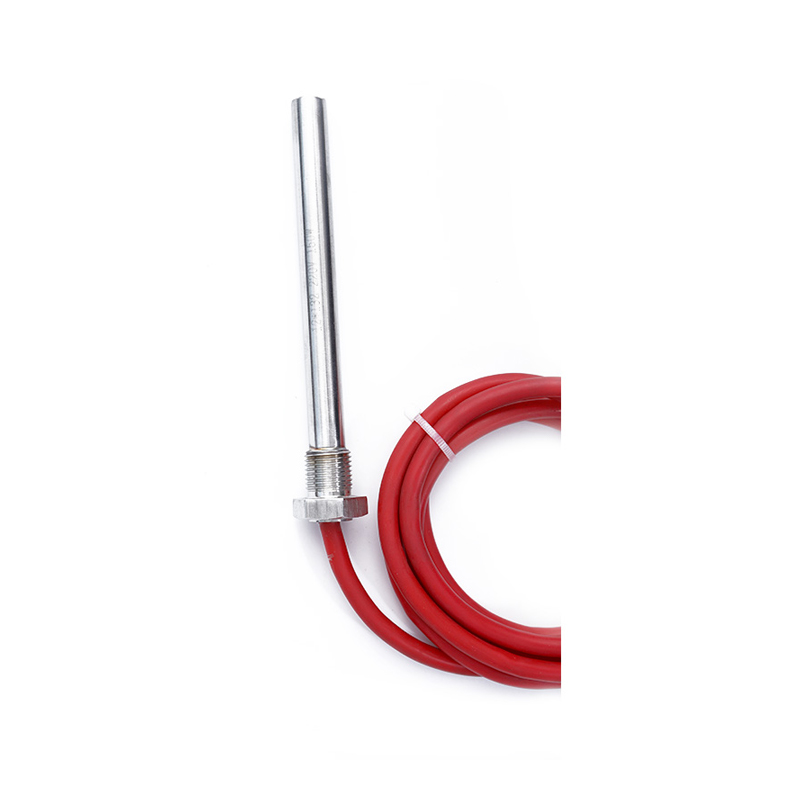 Waterproof Cartridge Heater for High-Humidity EnvironmentsDesigned for harsh conditions, this waterproof cartridge heater uses corrosion-resistant materials to prevent moisture ingress. It provides stable, efficient heating in applications where coolant splash or high humidity could otherwise cause failures.View Product →
Most failures are not random quality issues. They are front-end design defects created by selection or installation conditions.
Standard catalogs only cover common specifications. For projects requiring reduced space, multi-angle lead exits, integrated temperature-control sensors, or special threaded fixing, custom manufacturing becomes important. Manufacturers can usually produce elements with special diameters, lengths, and terminal structures according to drawings.
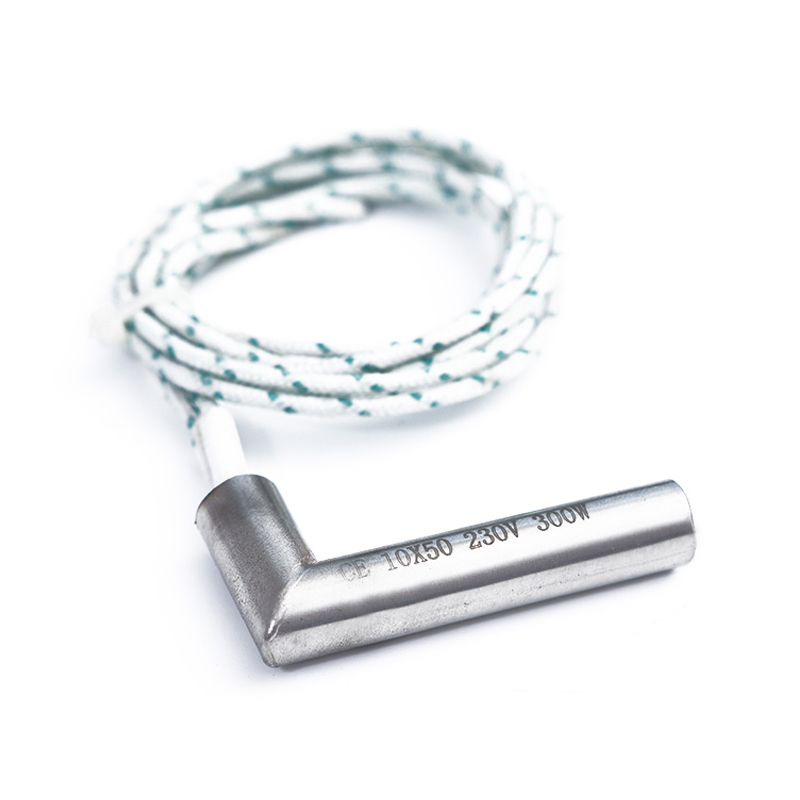
When the mounting space is extremely limited, a micro cartridge heater is a practical choice for narrow tool channels and small laboratory fixtures. Double-threaded variants, right-angle metal hose construction, external lead wire, and ceramic insulated wire options can also be combined based on machine maintenance frequency, heat source position, and wiring space.
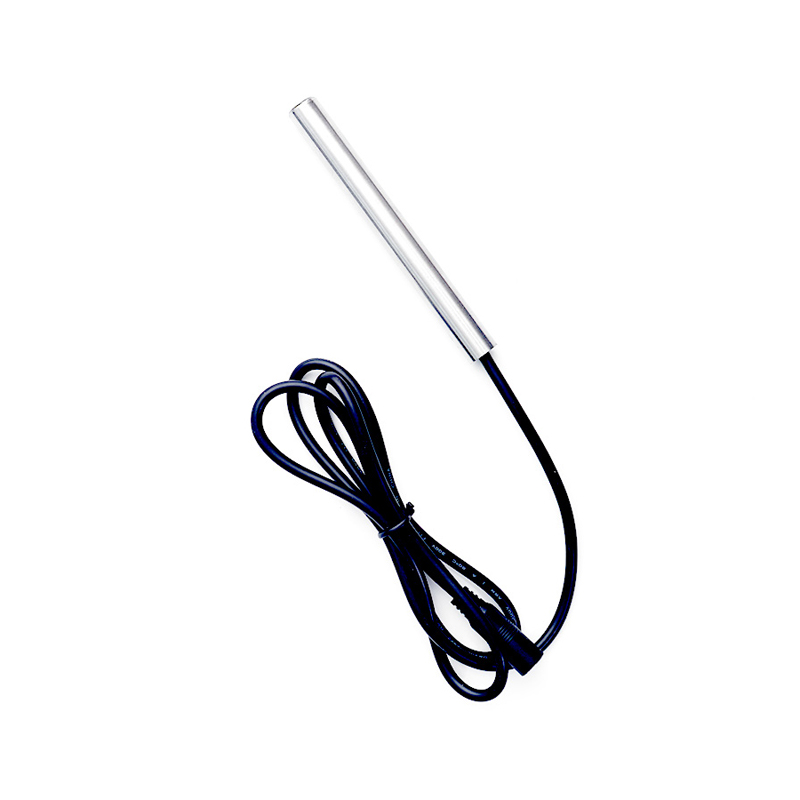 Micro Cartridge Heater for Tight Spaces and Precision HeatingIdeal for confined areas, this micro cartridge heater delivers precise temperature control with minimal heat loss. Its compact design suits narrow tool channels and small fixtures, offering reliable performance in space-constrained heating tasks.View Product →
Selecting a cartridge heater element is not about choosing the most expensive or the highest-powered model. The correct path is to read the drilled-hole dimension and heat-source position first, confirm the working temperature, then choose the watt density and terminal structure. For uncertain applications, send the drilling drawing to the supplier's technical team so they can provide a clear specification before the purchase decision. A properly selected element can run for tens of thousands of hours in the field. If the application falls outside standard ranges, send the drilling drawing to the manufacturer's contact team for a practical review.
How do I select the right wattage density for a hot runner coil heater?
Aug 19,2026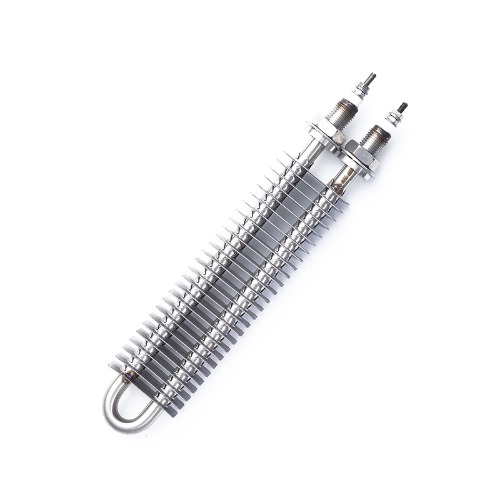
Air Heating Tube Manufacturer | 30 Years Custom Electric Heating Elements
Sep 02,2026Your email address will not be published. Required fields are marked *