

 English
 русский
 عربى
عربى
Product Consultation
Your email address will not be published. Required fields are marked *
Watt density is the most important single specification in electric heating element design, and it is consistently the one that causes the most problems when it's ignored or guessed at. If the specified watt density is too high for the application, the element overheats, the sheath oxidizes or burns, the MgO insulation degrades, and the element fails prematurely — sometimes within weeks of installation. Specify too low, and the element is undersized for the heat load, takes too long to reach temperature, and may require more elements than the installation can physically accommodate. Getting watt density right at the specification stage prevents both of these outcomes.
This guide covers what watt density is, how it's calculated, what values are appropriate for different element types and applications, and how the element's installation conditions modify the acceptable range.
Watt density is the power output per unit of element surface area — how many watts the element generates for every square centimeter (or square inch) of its outer sheath surface. It's expressed as W/cm² (or W/in²) and is calculated by dividing the element's total wattage by its active surface area:
Watt Density (W/cm²) = Total Wattage (W) ÷ Active Surface Area (cm²)
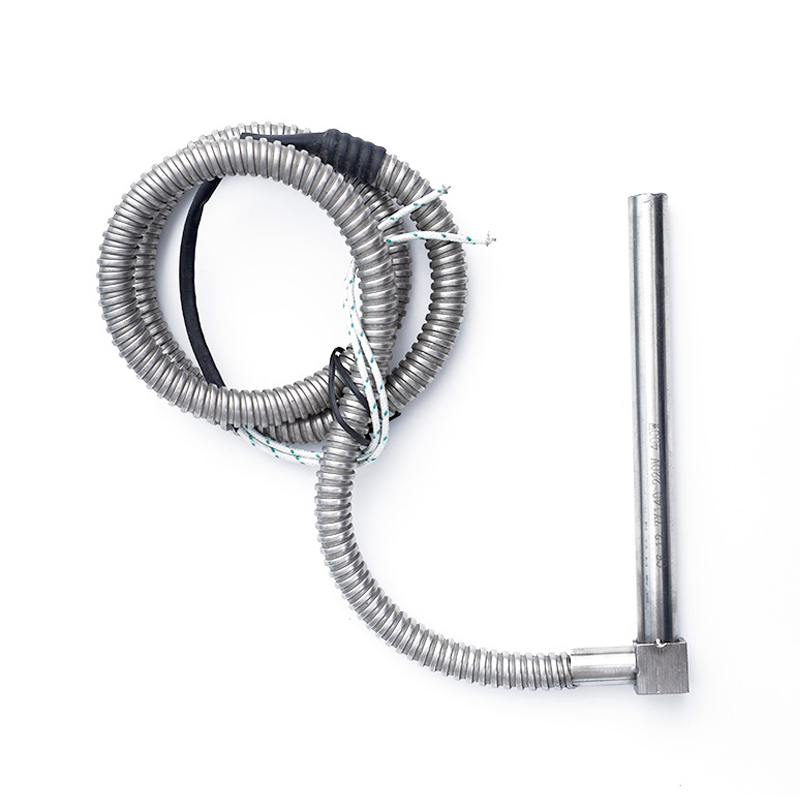
The active surface area of a tubular element is the lateral surface of the heated section — the diameter multiplied by π multiplied by the heated length. For a cartridge heater with a 12.7mm (½ inch) diameter and a heated length of 150 mm, the active surface area is approximately π × 1.27cm × 15cm = 59.8 cm². A 300W cartridge heater of these dimensions would have a watt density of approximately 5 W/cm².
The significance of watt density is that it determines the temperature of the element sheath surface. At any given watt density, the sheath surface must reach a temperature high enough that the rate of heat transfer from the sheath to the surrounding medium equals the power being generated inside the element. The higher the watt density, the higher the sheath temperature required to drive that heat transfer rate. If the watt density is too high for the heat transfer capacity of the surrounding medium, the sheath temperature exceeds the material's operating limit, and the element fails.
The most important factor determining maximum acceptable watt density is not the element type — it's the thermal contact between the element surface and the medium being heated. Heat transfer rate increases with temperature difference and with the thermal conductivity of the medium in contact with the element surface. An element in excellent thermal contact with a highly conductive metal block can operate at much higher watt density than the same element poorly fitted in a bore, or surrounded by a medium with low thermal conductivity, like still air.
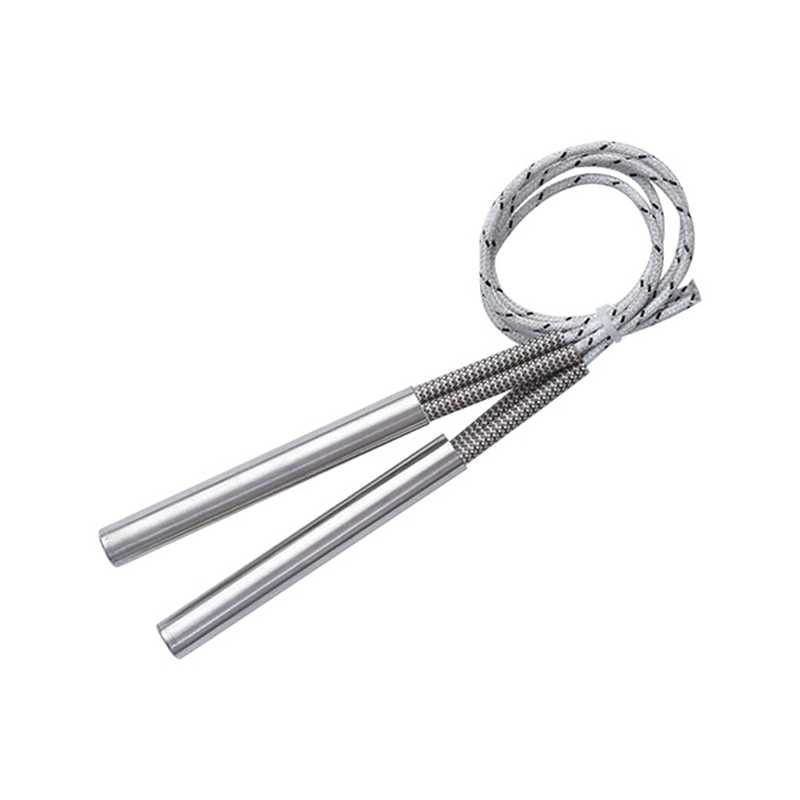
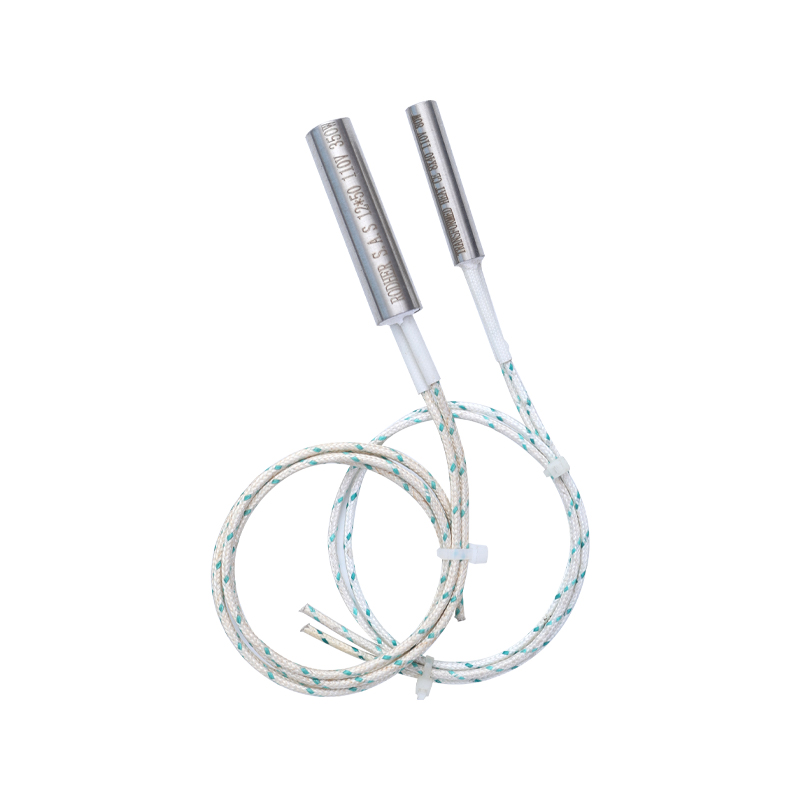
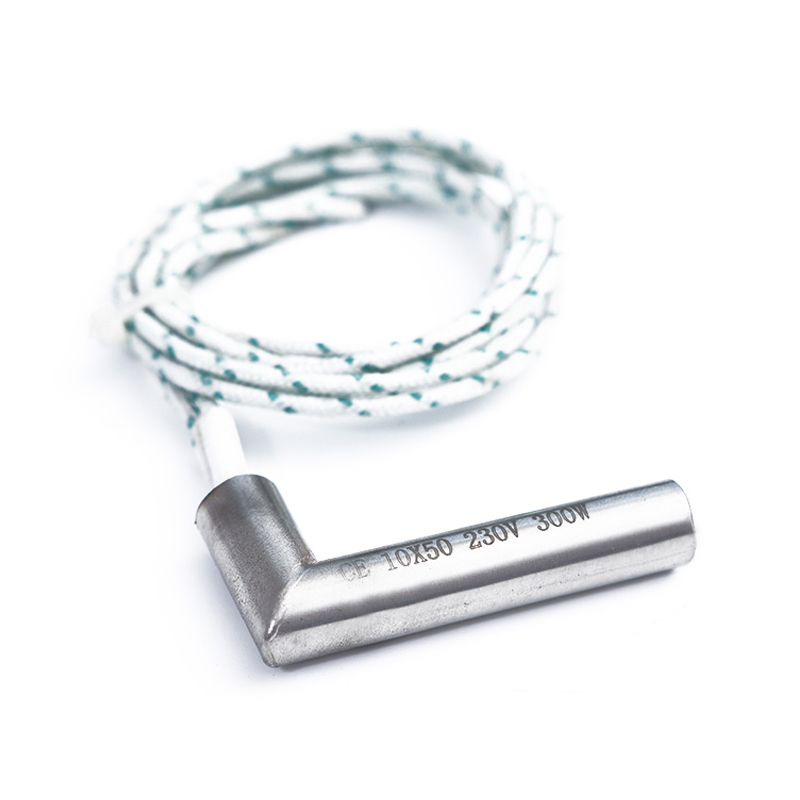
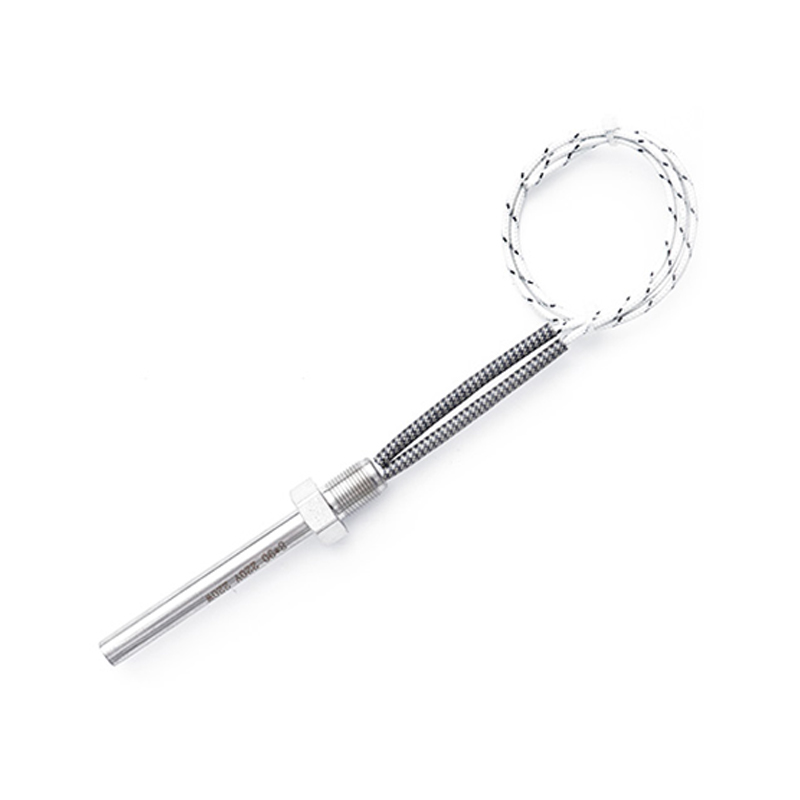
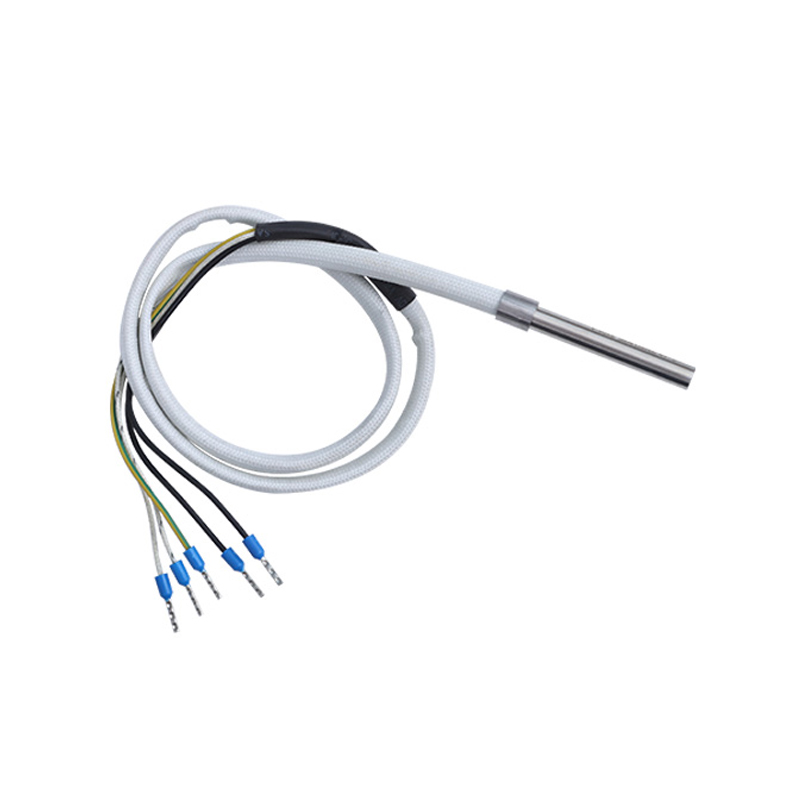
Cartridge heaters inserted into drilled bores in metal tooling — steel dies, aluminum platens, injection molds, extrusion dies — rely on conductive heat transfer from the sheath to the surrounding metal. The quality of this contact is the dominant factor in allowable watt density. A cartridge heater with a tight fit (clearance of 0.025–0.08mm) in a steel bore has excellent thermal contact: the sheath and bore surfaces are in intimate contact across most of their area, and the high thermal conductivity of steel (approximately 50 W/m·K) efficiently removes heat from the sheath.
With tight fit in steel, watt densities of 15–25 W/cm² are achievable for continuous operation at moderate temperatures. In aluminum (thermal conductivity approximately 200 W/m·K), even higher watt densities are possible because heat is removed faster. With loose fit or significant bore clearance, the air gap between the sheath and bore acts as a thermal insulator — effective watt density must be reduced to 8–12 W/cm² or lower to prevent overheating at the element surface. This is why bore dimensional tolerance is specified and matters: a bore worn oversize, or a cartridge installed with the wrong diameter tolerance, degrades thermal contact and can cause the same element to fail in an application where it previously gave long life.
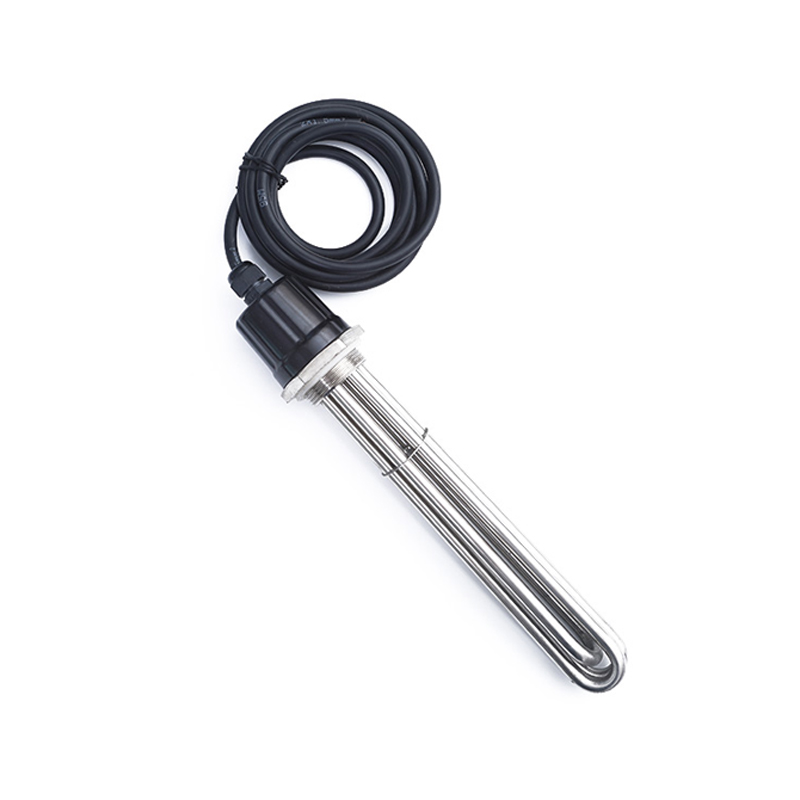
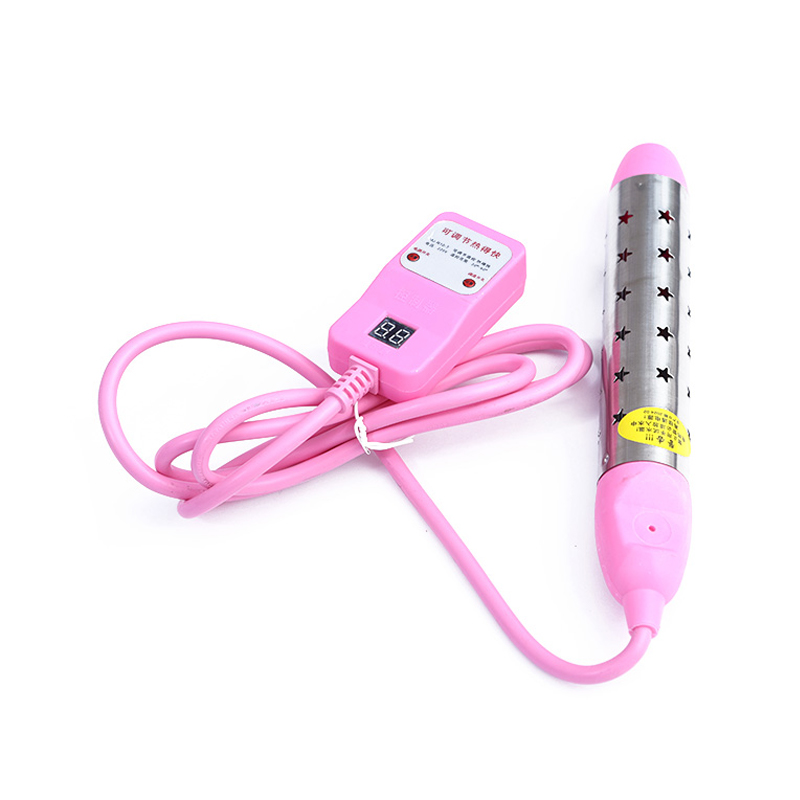
Immersion heaters in liquids benefit from convective heat transfer — the liquid in contact with the element sheath absorbs heat, becomes less dense, rises, and is replaced by cooler liquid from below. This natural convection creates a continuous circulation that maintains the liquid-to-sheath temperature difference and allows sustained heat transfer at moderate watt densities. Forced convection (pumped circulation) substantially increases the heat transfer coefficient and allows higher watt densities.
Acceptable watt density for immersion heaters depends primarily on the viscosity and thermal properties of the liquid and whether convection is natural or forced:
| Medium / Condition | Typical Watt Density Range (W/cm²) | Notes |
|---|---|---|
| Water, clean, natural convection | 7–15 | Standard water heating; scale formation reduces the effective limit over time |
| Water, forced circulation | 15–30 | Pumped systems; significantly higher heat transfer coefficient |
| Light oil, natural convection | 1.5–3.0 | Viscosity reduces convective transfer; sheath temperature must stay below the oil degradation point |
| Heavy oil / high viscosity fluids | 0.8–1.5 | Low convection in high-viscosity media; overheating risk is high at standard densities |
| Molten salt baths | 3–5 | Good conductivity but high sheath temperature potential; specialized sheath material needed |
| Acids / corrosive solutions | 3–8 | Sheath material selection (Incoloy, titanium) critical; watt density conservative to extend sheath life |
| Air, still (natural convection) | 0.8–2.0 | Air is a poor heat transfer medium; watt density must be very low for air heaters without fins |
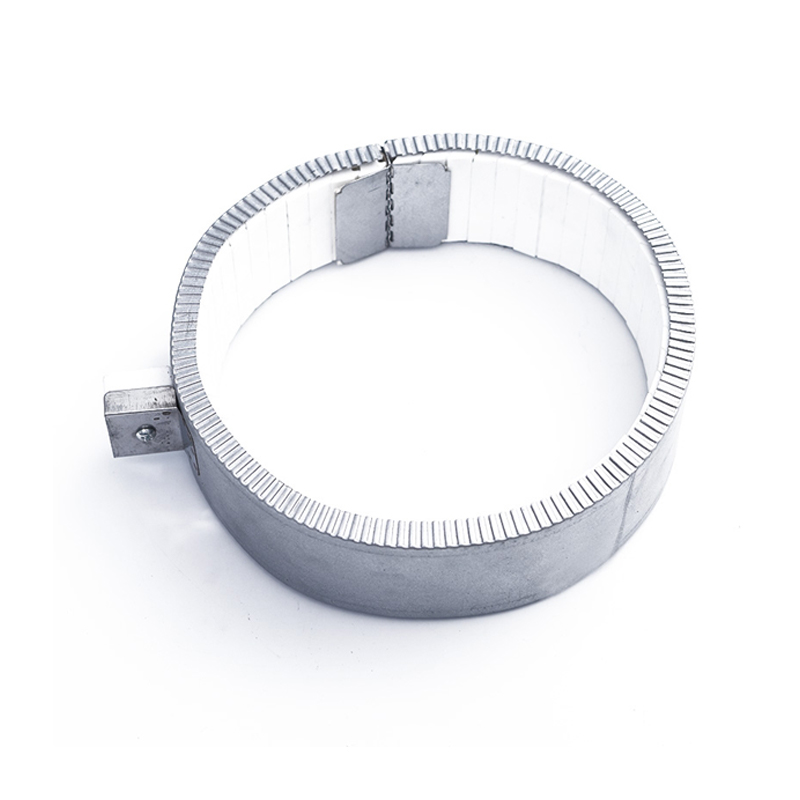
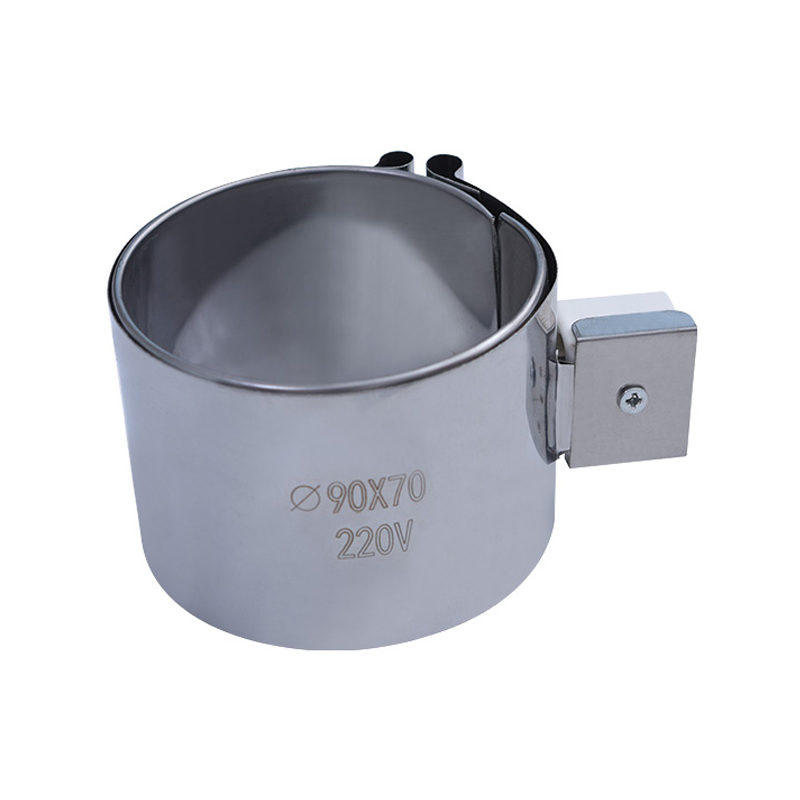
Band heaters clamp around the outside of barrel surfaces on injection molding and extrusion equipment. The heat must transfer from the band's inner surface through the band-to-barrel contact and then into the barrel wall. The quality of contact between the band and barrel varies with clamping tension, barrel surface condition, and whether any conductive paste or filler is used at the interface. Well-fitted band heaters on smooth, correctly sized barrels can typically operate at 4–8 W/cm². Poorly fitted bands with air gaps at the contact interface have much lower effective heat transfer and must be derated accordingly.
The maximum watt density is not a fixed number for any given application — it decreases as the required operating temperature increases. This is because the sheath surface temperature is always higher than the medium temperature (otherwise heat wouldn't flow from sheath to medium), and the sheath temperature must stay below the sheath material's operating limit. As the required process temperature rises, the gap between process temperature and the sheath material limit narrows, requiring lower watt density to avoid exceeding the sheath limit.
For a cartridge heater in steel tooling operating at 200°C, the sheath surface temperature might be 250–300°C — well within the limit for stainless steel sheath (approximately 700–750°C maximum). The watt density can be relatively high. For the same heater in tooling operating at 600°C, the sheath surface temperature must be 650–700°C to drive heat transfer at the same watt density — approaching the sheath material limit. The watt density must be reduced to create a lower temperature differential and maintain an adequate margin from the sheath limit. For very high temperature applications (above 600°C), Incoloy or high-temperature alloy sheath materials extend the operating window.
Element service life is directly related to the average sheath temperature during operation. Sheath oxidation, MgO insulation resistance degradation, and resistance wire annealing all accelerate exponentially with temperature. The standard engineering rule of thumb is that every 10°C reduction in operating sheath temperature approximately doubles the service life of the resistive element. This means that specifying a watt density 20% lower than the maximum allowable for the application — creating a larger safety margin against sheath overtemperature — typically produces a disproportionately longer service life.
In practice, this means designers should resist the temptation to maximize watt density to minimize element count or physical size when application conditions allow a more conservative specification. A smaller number of high-watt-density elements costs less initially but produces higher operating temperatures, faster degradation, and more frequent replacement. More elements at conservative watt density costs more initially, but significantly extends time between replacements in a production environment where downtime for heater replacement is expensive.
When ordering a custom electric heating element, the specification should include all the information necessary to select an appropriate watt density. The key inputs are:
Total power required (W): determined by the heat load calculation — the mass of material to be heated, its specific heat, the required temperature rise, and the time available. Include losses from the system to arrive at the actual input power needed, not just the theoretical heat load.
Available element surface area: determined by the element type, diameter, and maximum physical length that can be accommodated in the installation. For cartridge heaters, this is the bore diameter and available depth. For immersion heaters, the tank geometry and submersion length. For band heaters, the barrel diameter and available band width.
Operating medium and conditions: medium type, temperature, flow conditions (still or forced), and any constraints on sheath temperature from the medium (e.g., fluid degradation or flash point temperatures that must not be exceeded at the sheath surface).
With these inputs, the calculated watt density can be compared to the application-appropriate range from tables or supplier guidance, and the element dimensions can be adjusted if the initial calculation falls outside the recommended range. If the calculated watt density is too high for the application, the options are: increase element surface area by using a larger diameter or longer element, add more elements in parallel, or accept a longer heat-up time by using lower total power.
Because watt density is only part of the story — the quality of thermal contact between the element sheath and the surrounding metal determines the actual sheath operating temperature, which determines service life. If one installation has a tight bore tolerance and good thermal contact while another has a worn or oversized bore with air gaps, the element in the loose bore runs significantly hotter at the same watt density and will fail much earlier. Inconsistent service life between nominally identical elements in different machines or positions is almost always traceable to differences in bore condition, element fit, or installation quality rather than element manufacturing variation. The diagnostic approach is to measure bore diameter, compare it to the element nominal diameter, and confirm that the clearance is within the specification for the installed watt density.
Scale (mineral deposits from hard water) has very low thermal conductivity — calcium carbonate scale at 0.5–1.0 mm thickness can reduce heat transfer from the sheath to the water by 20–40%. As scale accumulates on an immersion heater sheath, the effective watt density relative to the available heat transfer capacity increases, driving up the sheath surface temperature. At the scaled element's surface, the temperature rises above what would occur with a clean sheath at the same watt density. Eventually, the sheath overheats and the element fails, typically not from scale causing direct damage but from the elevated sheath temperature degrading the element internally. This is why water quality management (softening, deionization, or periodic element descaling) extends immersion heater life in hard water applications, and why oversizing the element (lower watt density) provides more margin against the inevitable buildup.
Not directly from wattage alone — you need the active surface area, which requires the element diameter and heated length. For standard catalog elements, the manufacturer typically provides watt density directly in the specification sheet, or the geometry is standardized enough that the surface area can be calculated from the listed dimensions. For custom elements, if you're providing a wattage and dimensional specification, the supplier will calculate the resulting watt density and advise whether it's appropriate for the stated application. If you're selecting from a catalog based on wattage and size, calculating the watt density yourself — using the formula above — before finalizing the selection confirms the element is correctly sized for your specific installation conditions rather than just sized for the rated wattage.
Cartridge Heater | Immersion Heater | Band Heater | Air Heating Tube | Hot Runner Heater | Contact Us
What Is a Band Heater and How Do You Select the Right One for Injection Molding and Extrusion?
Mar 08,2026
Infrared Heater Types: Short Wave, Medium Wave, and Long Wave — What's the Difference?
Mar 22,2026Your email address will not be published. Required fields are marked *