

 English
 русский
 عربى
عربى
Product Consultation
Your email address will not be published. Required fields are marked *
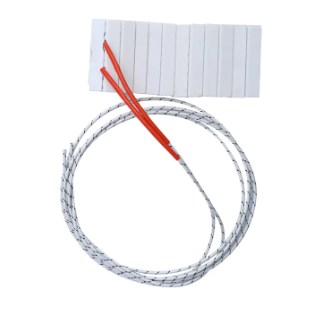
The definitive conclusion regarding hot runner coil heaters is that they provide superior thermal efficiency and temperature uniformity compared to standard tubular heaters. High-quality coil heaters can reduce energy consumption by up to 20% while maintaining a consistent temperature profile within a narrow range of plus or minus 1 degree Celsius. This precision is critical for high-precision injection molding applications where even minor temperature fluctuations can lead to defects such as flash, sink marks, or incomplete filling. By ensuring intimate contact with the manifold, coil heaters eliminate air gaps that act as insulators, thereby maximizing the transfer of thermal energy directly to the melt channel.
To understand why these heaters perform so well, one must look at their construction. Unlike rigid straight heaters, a hot runner coil heater is designed with a high degree of flexibility, allowing it to conform tightly to complex geometries found in modern hot runner manifolds. The internal structure typically consists of a helically wound resistance wire, usually made of nickel-chromium alloy, which is the source of heat generation.
This layered construction ensures that the heater is not only robust but also capable of withstanding the high pressures and thermal cycling inherent in plastic injection molding processes.
The choice of insulation material within the heater significantly impacts its maximum operating temperature and lifespan. Selecting the correct type is essential for operational safety and longevity.
| Feature | Mica Insulation | Ceramic Insulation |
|---|---|---|
| Max Temperature | Up to 300°C (572°F) | Up to 650°C (1202°F) |
| Flexibility | Highly Flexible | Semi-Rigid |
| Heat Response | Fast Response | Slower Response |
| Application | General Purpose | High-Temp Engineering Plastics |
For standard applications processing materials like polypropylene or polyethylene, mica-based heaters are often sufficient due to their flexibility and lower cost. However, when processing high-temperature engineering resins such as PEEK or PPS, ceramic-insulated coil heaters are mandatory to ensure the heater does not degrade prematurely.
One of the most critical technical parameters to understand is watt density. This refers to the amount of heat energy (watts) emitted per unit of surface area (usually square inches or centimeters) of the heater. Calculating the correct watt density is vital to prevent heater failure.
If the watt density is too high, the heater will generate heat faster than it can dissipate it into the manifold. This leads to "hot spots," which cause the internal resistance wire to oxidize and break, significantly shortening the heater's life. Conversely, if the watt density is too low, the heater may not be able to bring the manifold up to the required processing temperature within a reasonable timeframe. An optimal watt density typically ranges between 20 to 50 watts per square inch, depending on the application and the thermal conductivity of the manifold material.
The effectiveness of a hot runner coil heater is almost entirely dependent on the quality of its installation. The most common cause of failure is poor thermal contact. Before installation, the manifold surface should be clean and free of debris.
To fully appreciate the utility of coil heaters, it is beneficial to compare them against alternative heating methods within the context of a hot runner system.
| Metric | Hot Runner Coil Heater | Standard Cartridge Heater |
|---|---|---|
| Heat Transfer Efficiency | Excellent (Conformal contact) | Moderate (Depends on bore fit) |
| Complex Geometry Adaptation | High Flexibility | Low (Straight shapes only) |
| Replacement Speed | Moderate to Fast | Fast |
| Temperature Uniformity | Superior | Variable |
Even with the best installation practices, heaters can fail due to external factors. Understanding the root cause of failure is the first step in prevention.
Regular maintenance cycles, including checking resistance values with a multimeter, can help predict failures before they cause production downtime.
The industry is moving towards more integrated thermal management. Future iterations of coil heaters are likely to feature integrated sensors directly embedded within the sheath, providing feedback on the heater's internal temperature rather than just the manifold temperature. This advancement will allow for predictive maintenance algorithms that can alert operators exactly when a heater is about to fail, rather than waiting for the process to destabilize. Smart heating systems are becoming the standard, optimizing energy usage in real-time based on the thermal load requirements of the specific molding cycle.
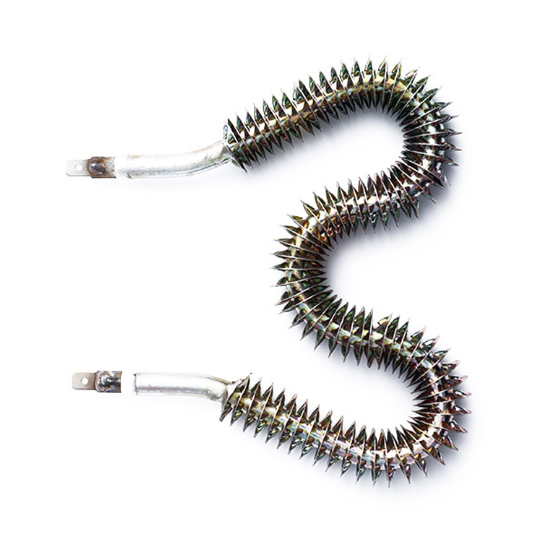
Industrial Air Preheater Tube Selection: Materials, Watt Density, and Fin Design
Aug 12,2026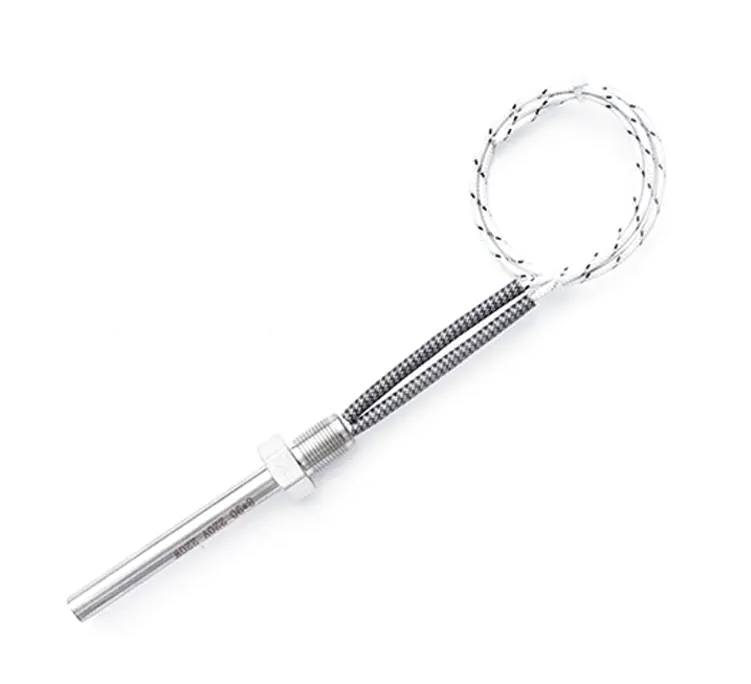
Cartridge Heater Element Buying Guide: Construction, Watt Density, and Failure Prevention
Aug 26,2026Your email address will not be published. Required fields are marked *