

 English
 русский
 عربى
عربى
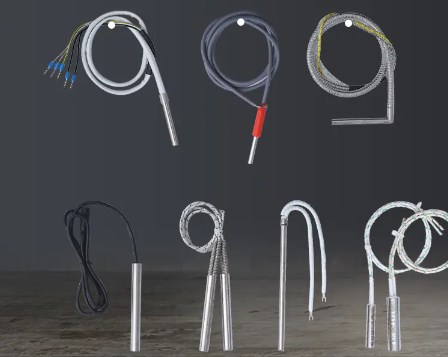
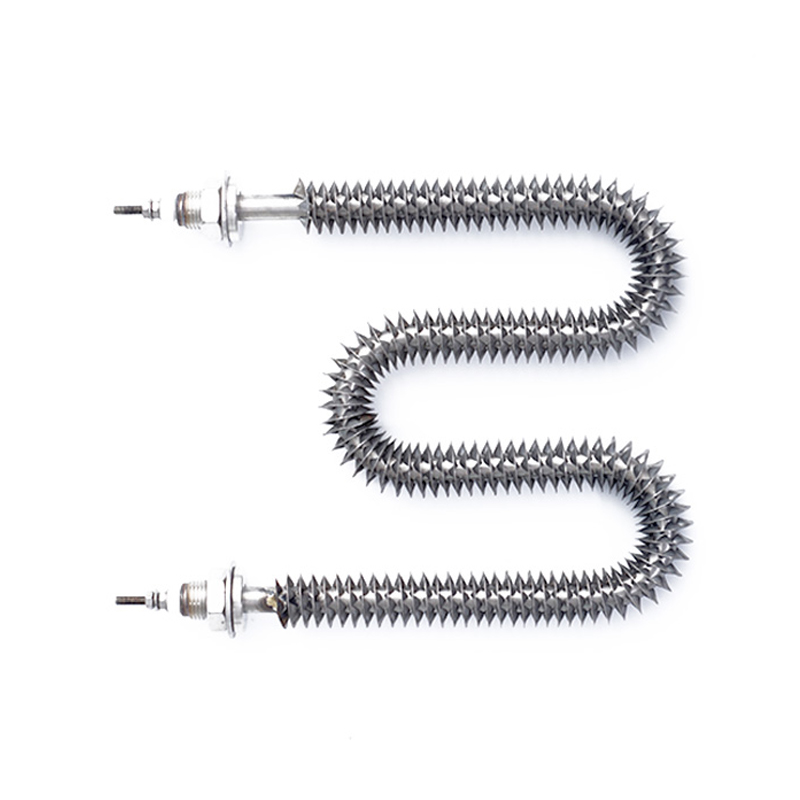
The heater in packaging machinery is not an accessory — it is the thermal engine that determines seal integrity, cycle speed, and material compatibility. Without precise, reliable heating, even the best packaging line fails.
In practical terms: selecting the right heater type, watt density, and control strategy directly impacts your overall equipment effectiveness (OEE) by up to 35%. This article cuts through theory and delivers actionable insights for engineers, maintenance leads, and production managers.
Why Heaters Are Mission-Critical in Packaging
In modern packaging, heat is used for sealing, shrinking, forming, and bonding. A heater failure or inconsistency doesn't just cause a bad seal — it creates product waste, downtime, and safety risks. Data from industry benchmarks show that over 40% of unscheduled packaging line stops are traced back to thermal system issues, with heaters being the primary culprit.
Beyond uptime, heaters influence energy consumption. Inefficient heaters can add 15–20% to the energy bill of a continuous packaging line. With sustainability pressures rising, optimizing heater performance is both an operational and environmental imperative.
The takeaway: heater selection and maintenance are not “nice-to-have” — they are core levers for packaging line profitability.
Heater Types & Their Practical Suitability
Not all heaters are equal. The right choice depends on material, speed, temperature range, and environment. Below is a practical breakdown based on real-world packaging applications.
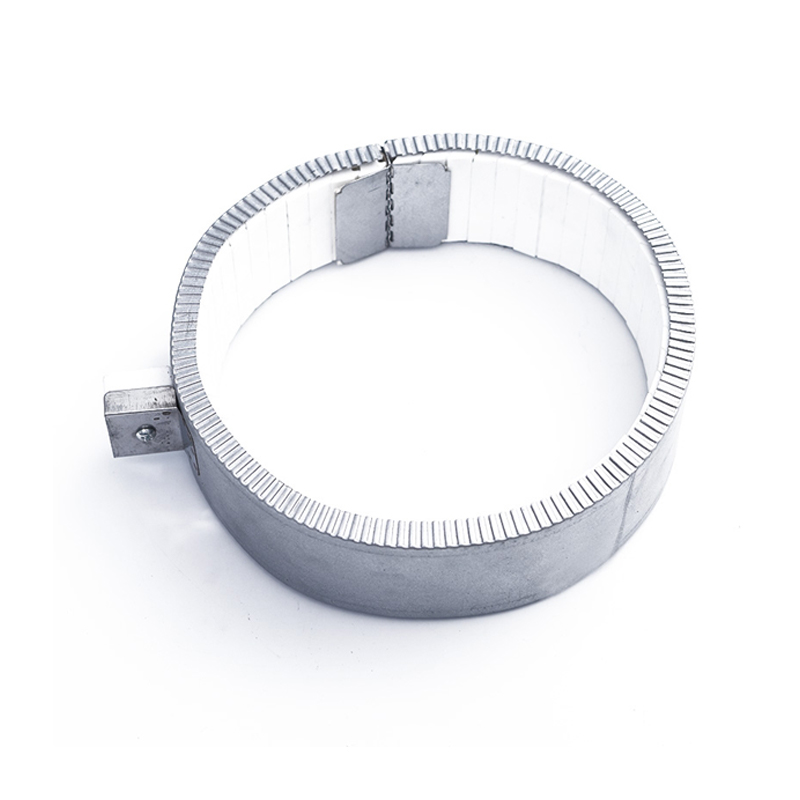
Band Heaters
- Best for: barrel & nozzle heating (extrusion, blow molding)
- Advantage: uniform radial heat, easy to retrofit
- Watch: watt density vs. barrel material
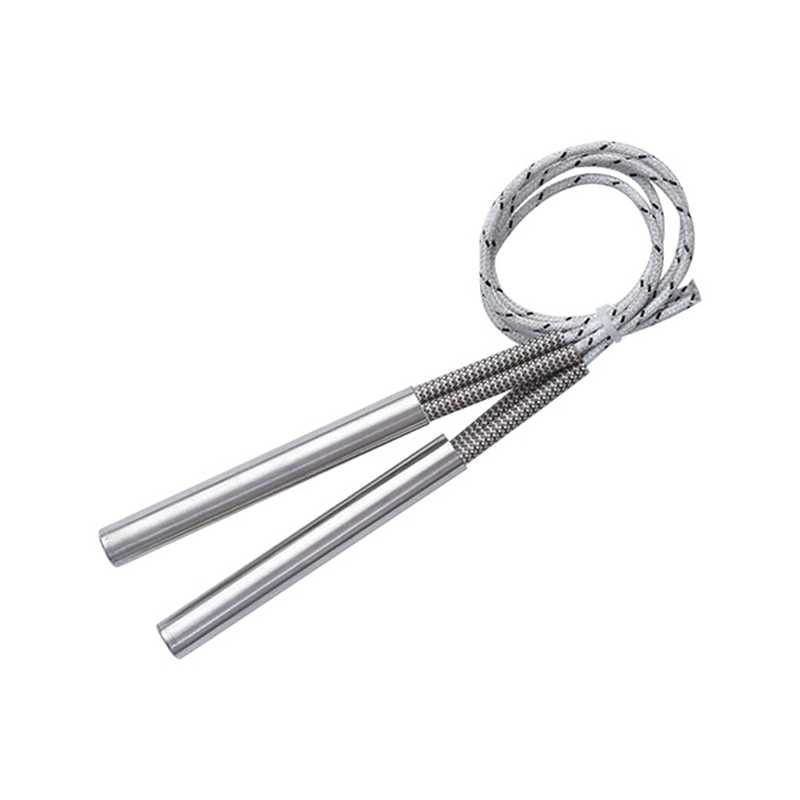
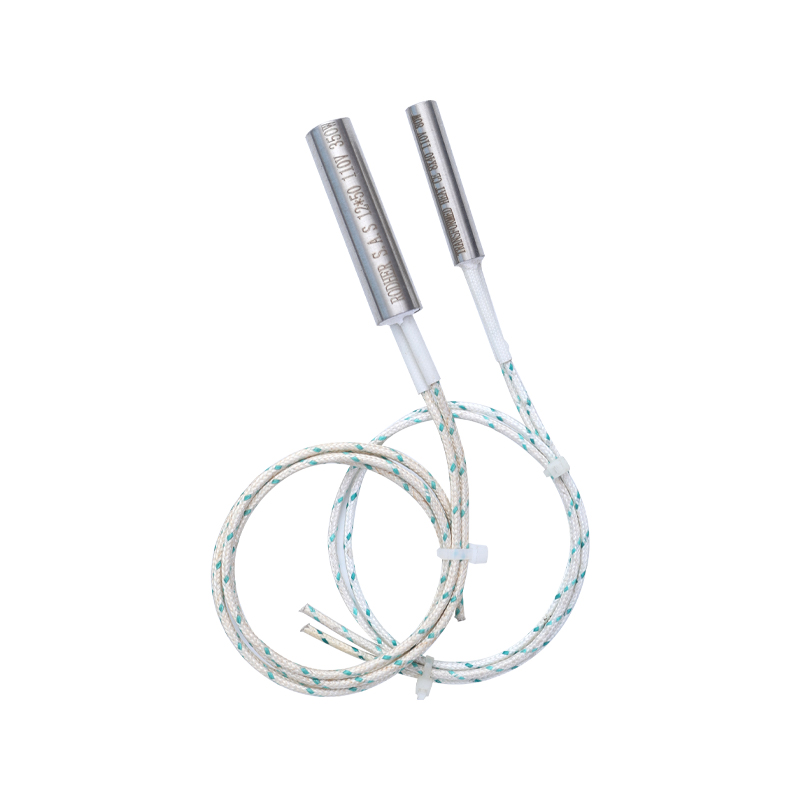
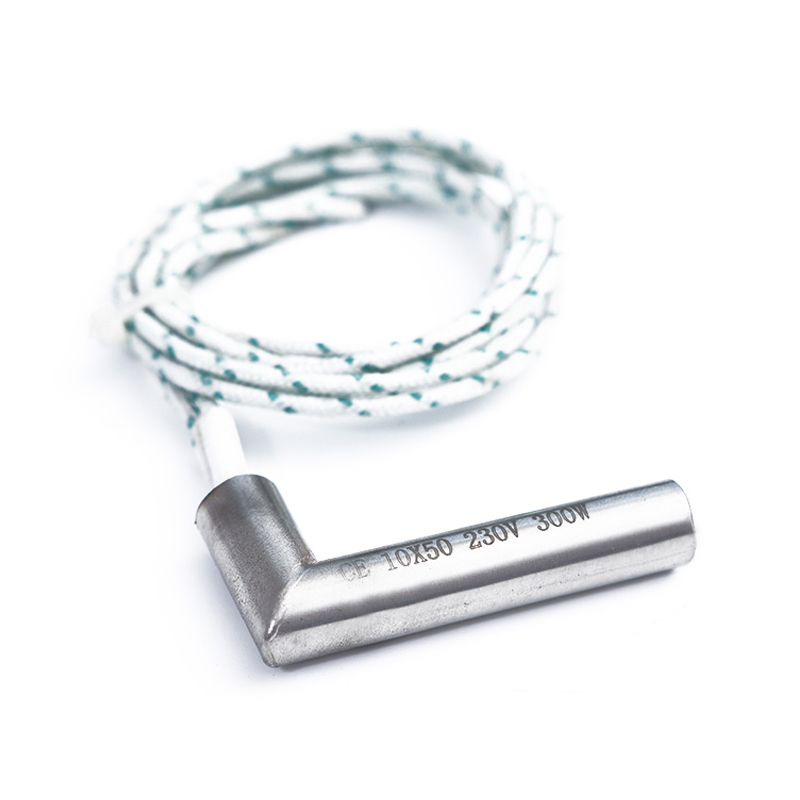
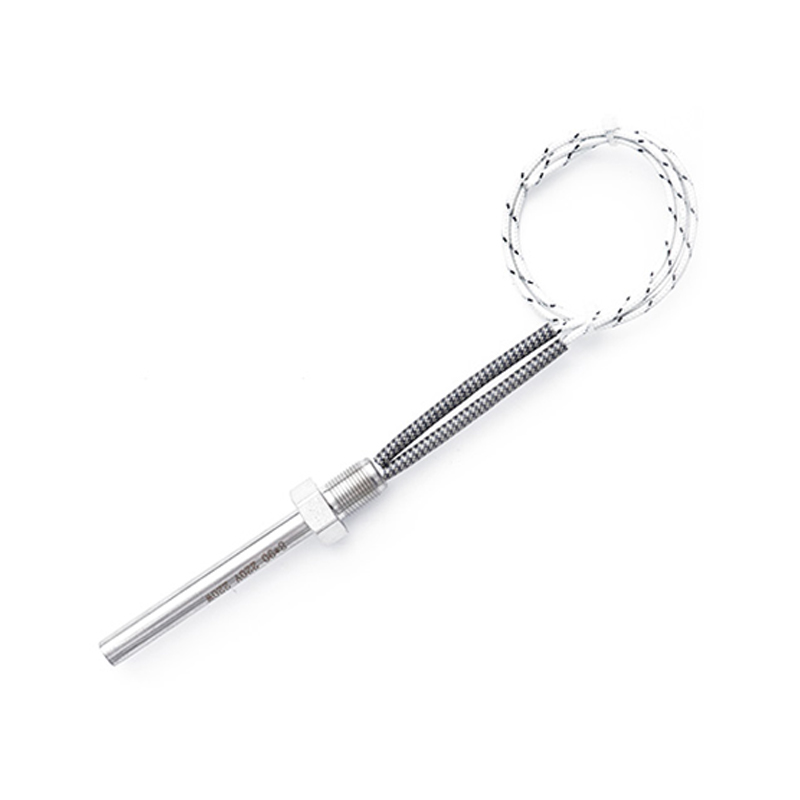
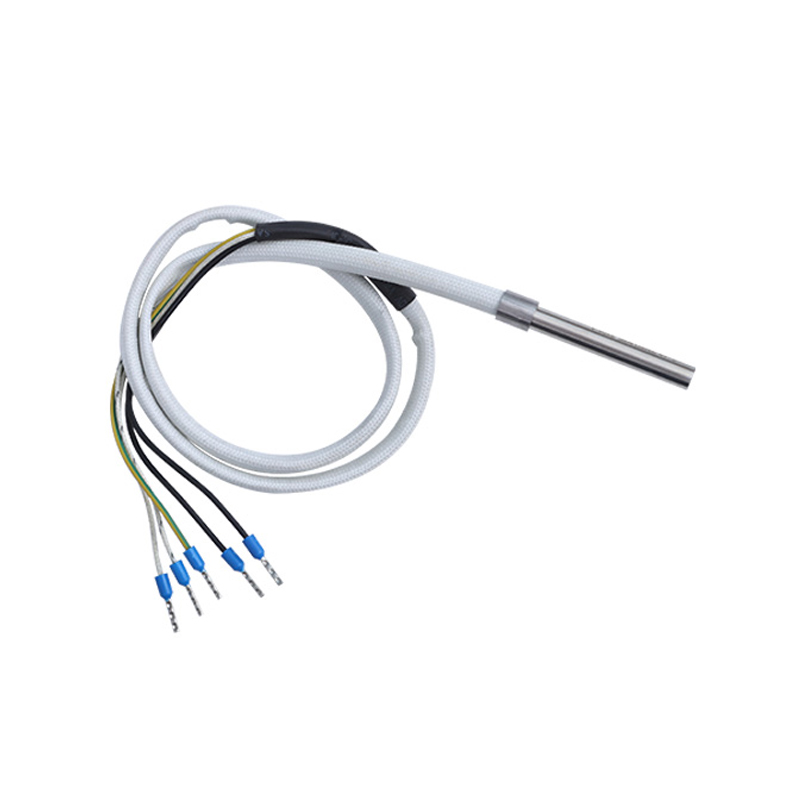
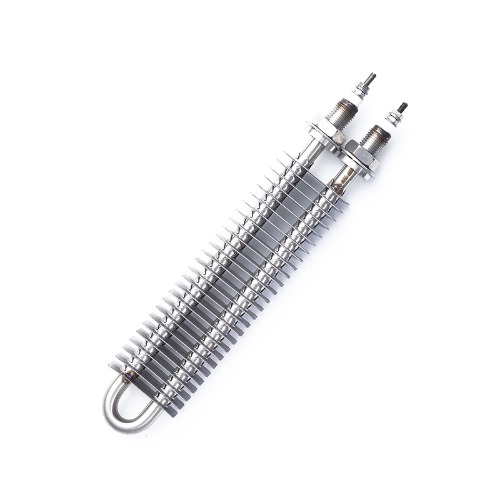
Cartridge Heaters
- Best for: sealing jaws, platens, dies
- Advantage: high watt density, fast response
- Watch: proper fit & thermal paste application
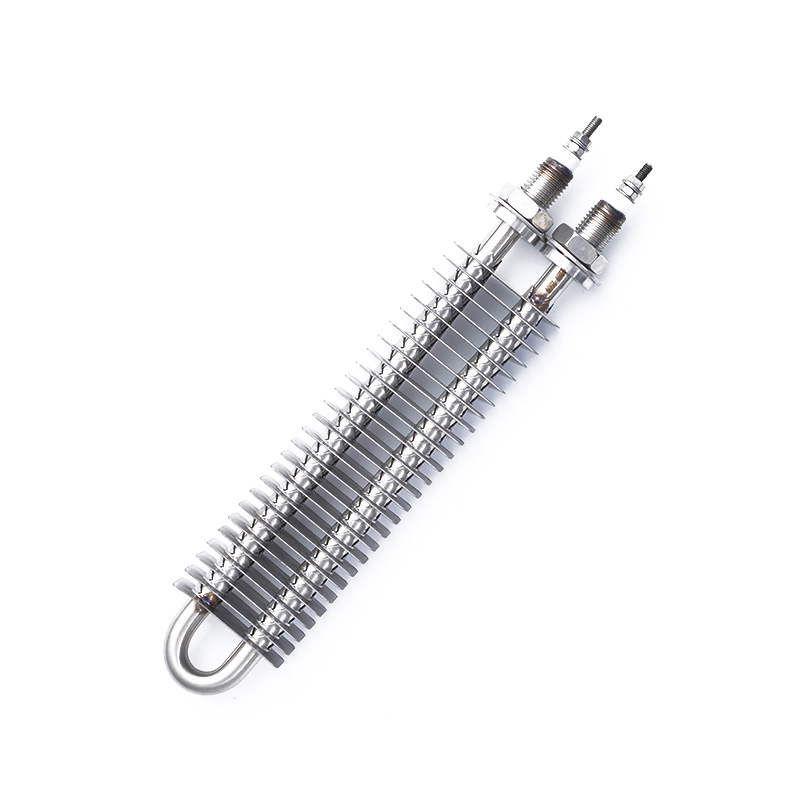
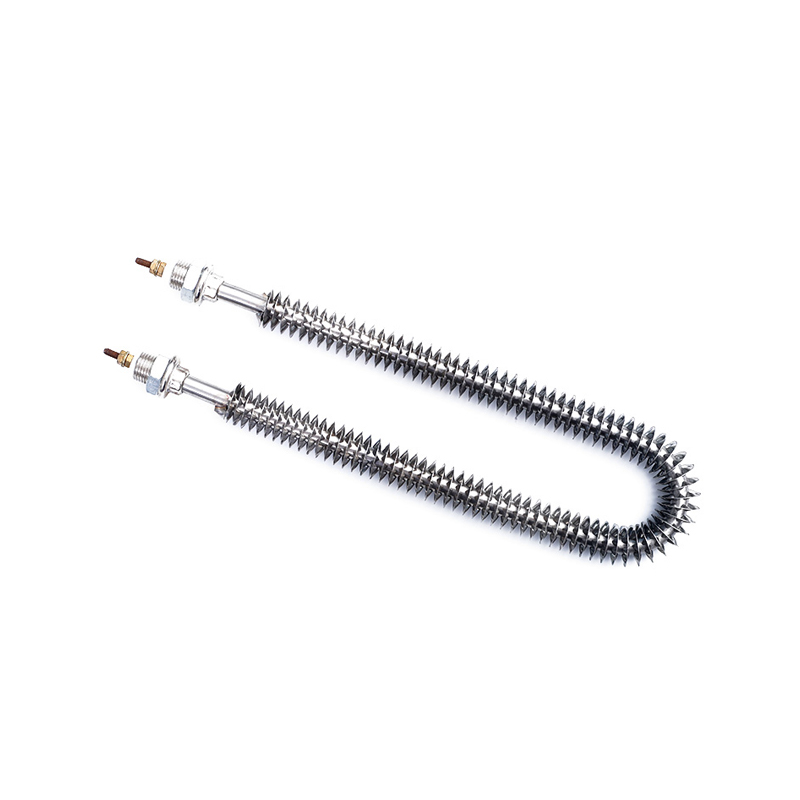
Air / Impingement Heaters
- Best for: shrink tunnels, drying, pre-heating
- Advantage: non-contact, adjustable airflow
- Watch: air velocity & temperature uniformity
A common mistake is oversizing or undersizing the heater. For a continuous heat-sealing application, a cartridge heater with 20–30 W/in² is often the sweet spot, while band heaters for extrusion typically range 8–15 W/in². Always match the heater's thermal mass to the machine's cycle.
Selection Criteria: Beyond Wattage and Voltage
While wattage and voltage are basic, the real selection framework involves five deeper factors:
- Temperature uniformity — ±2°C is acceptable for most; high-speed form-fill-seal may require ±1°C.
- Response time — from cold start to setpoint; under 90 seconds is preferred for intermittent lines.
- Environmental protection — IP54 or higher if washdown or dusty environments.
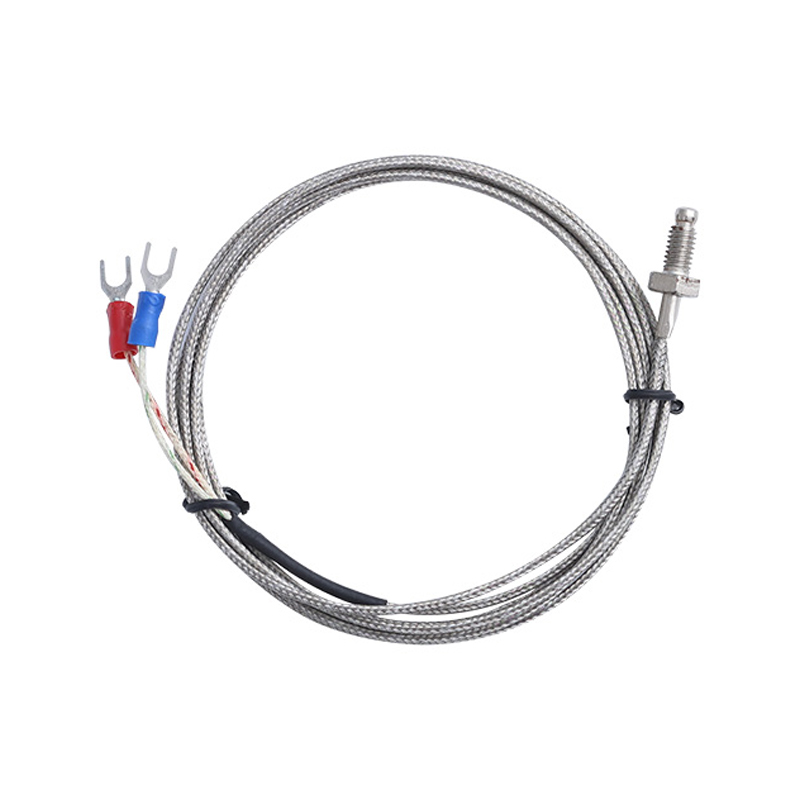
- Control compatibility — thermocouple type (J, K, or PT100) must match controller.
- Service life — average heater lifespan is 8,000–12,000 operating hours; choose materials (Incoloy, stainless) accordingly.
For example, a vertical form-fill-seal (VFFS) machine running PE film at 120 cycles/min will benefit from a low-mass cartridge heater with PID control, reducing temperature overshoot and improving seal appearance.
Practical Maintenance & Troubleshooting
Even the best heater will underperform without proper care. A structured maintenance routine can extend heater life by 60% and reduce emergency replacements. Here’s a field-proven checklist:
Weekly
- Visual inspection for discoloration or cracks
- Check terminal connections (torque to spec)
- Clean air vents / cooling fans
Monthly
- Measure resistance (cold & hot) — compare to baseline
- Thermal imaging to detect hot spots
- Verify thermocouple calibration (offset < 2°C)
Quarterly
- Insulation resistance test (megger)
- Replace if heater resistance drifts >10%
- Clean contact surfaces & apply anti-seize
Critical alert: A 5% increase in heater resistance often indicates oxidation — replace proactively. Document all readings to spot trends.
Control Strategies: PID vs. On/Off vs. SCR
The heater is only as good as its controller. Here's a quick comparison based on packaging scenarios:
For most packaging applications, PID with auto-tuning is the gold standard. It reduces overshoot during warm-up and maintains tight control even when line speed changes.
Heater Installation Best Practices (that most people ignore)
Even a premium heater fails if installed poorly. Follow these less-obvious but critical rules:
- Torque matters: Over-tightening terminal screws can crack the ceramic insulator — use a torque wrench (typical 1.5–2.5 N·m).
- Thermal compound: Apply a thin layer of high-temperature paste between cartridge heater and bore — reduces thermal resistance by up to 25%.
- Wire gauge: Undersized wires cause voltage drop and heat at terminals — use at least 14 AWG for 10–15A circuits.
- Grounding: Always ground the heater metal sheath to prevent electrical noise and ensure safety.
A quick field audit: over 60% of heater replacements are due to poor installation, not end-of-life. Invest 10 minutes in proper installation to save hours of downtime.
Final Verdict: Heater as a Strategic Component
In packaging machinery, the heater is no longer a commodity. With advances in materials, control, and monitoring, it has become a strategic differentiator for line efficiency, product quality, and energy cost. The data is clear: lines that treat heater selection and maintenance as a priority see 25% fewer unplanned stops and consistently higher seal quality.
Start by auditing your current heaters — record wattage, type, and age. Then, using the criteria above, build a replacement and upgrade roadmap. The small upfront effort pays back in weeks, not months.
Key takeaway: The right heater, correctly installed and controlled, is your packaging line’s silent workhorse. Give it the attention it deserves.